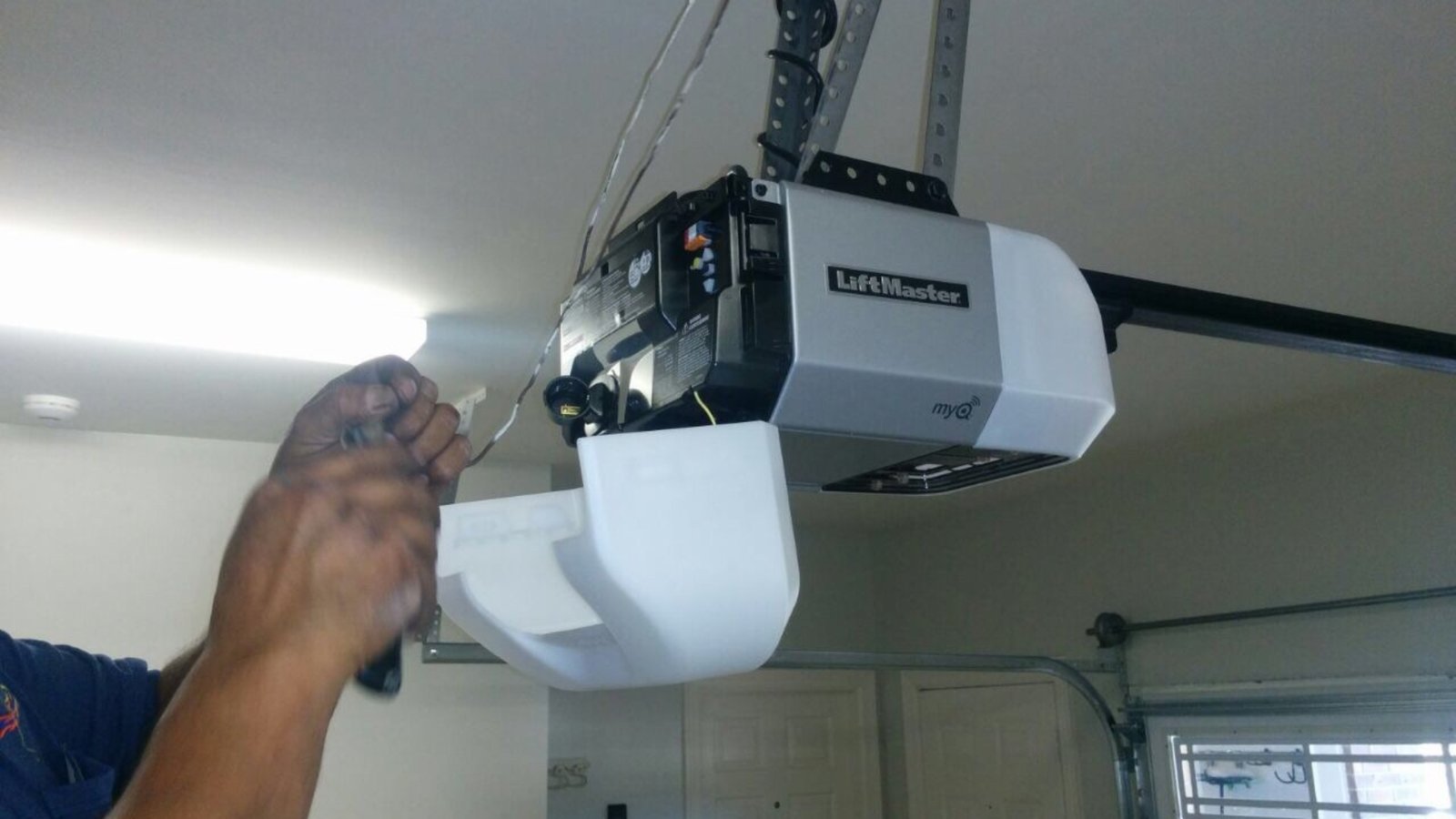
Chamberlain garage door opener light not working? You’re not alone.
Thousands of homeowners walk into a dark garage every evening. Looking closer, fumbling for the wall switch, wondering why a device they rely on suddenly failed them. It’s annoying, unsafe, too.
It’s usually easier to fix than you think, and honestly, the light system in your opener isn’t just a convenience; it’s a make-or-break safety feature tied to the sensor (at least based on current observations) and logic board. When it goes dark.
It often signals something else happening behind the plastic casing. I’ve wasted too plenty of hours swapping bulbs that weren’t the problem, so let’s skip the guesswork.
TL; DR
- Most Chamberlain light failures stem from LED bulb interference, misaligned safety sensors triggering a 10-flash lockout, or a burned-out logic board relay.
- Before calling a pro, try bending the socket tab, using a shielded LED bulb, or resetting the wall panel light timer.
- If the light won't turn off, the motion sensor on the MyQ wall control is overreacting; hold the light button for 10 seconds to recalibrate.
Key Point
- Check the bulb socket first: The brass tab at the base often flattens, killing the connection. A gentle upward bend fixes it.
- LED bulbs without RF shielding are a nightmare, jamming the 315MHz or 390MHz signal and killing both light and remote range.
- The 10-flash code isn’t about the bulb; it’s a safety sensor misalignment warning that cuts power to the light circuit.
- Logic board relay failure is common after 5 years, costing between $75 and $145 to replace.
- You can accidentally program the wall panel to keep lights off. Holding the light button for 10 seconds toggles that behavior.
Diagnosing Your Chamberlain Garage Door Opener Light Issue
A Chamberlain opener light that won't work constantly isn't (depending entirely on the context) just a dead bulb. The system integrates with safety sensors. A relay on the logic board. A 10-flash error code, for case in point.
Points to misaligned sensors that intentionally cut power to the light. Identifying the root cause starts with the error codes and a few hassle-free checks.
Your Chamberlain opener taps into a standard A19 bulb socket. With a strict 100-watt maximum per socket. Exceeding that can melt the plastic housing or damage the board entirely.
The light is controlled by the logic board and the wall-mounted control panel, not just a hassle-free switch. So when things go dark, the culprit can be electrical, mechanical, or even related to the safety system.
More importantly, a common scenario: you hear a distinct click from the motor unit. When the light should turn on, but nothing happens.
That’s the relay trying to engage, if you hear the click. But no light, the relay on the circuit board is likely dead. This is common in units older than five years, and frankly, it’s the address nobody wants to hear about seeing as it means replacing the logic board.
Blinking diagnostic lights aren't unique to openers; you'll see that same logic in other appliances. Mostly, the Chamberlain draws on a 10-flash code to signal a misaligned safety sensor. The data speaks for itself.
The board kills power to the light circuit as a safety warning. And the door won't close until you fix the alignment. If you see ten flashes.
Forget the bulb—every issue is at the bottom of the door tracks.
What does the 10-flash code really tell me?
It signals a safety sensor obstruction or misalignment. The board kills light power as a warning, so your door won't close. You’ll need to realign the sensors before the light circuit resets.
Why a Dead Opener Light Causes More Trouble Than You Think
You'll quickly see a garage without light is a safety hazard. It forces you to work through around vehicles, tools, and stairs in the dark.
And the missing light can show that safety sensors are offline. That means your door mightn't close properly. Leaving your home unprotected.
Which means you’re carrying groceries, your phone flashlight is buried somewhere, and you can’t see that step. That jumped out at me too. Annoying enough.
But the hidden danger is that if the light is dead. Because of sensor misalignment, your door might reverse or refuse to close at all. Suddenly that dark garage means an open entry point into your house all night.
The 10-flash lockout is a safety net, but it’s also, thinking about it more, a glaring signal that something is physically out of alignment. Worth pausing on that one. Ignore it, and you risk property damage, theft, or a door slamming onto a child’s bike, or worse.
Summary: blocksep matters. Many people assume it’s just a bulb and waste time swapping five different bulbs. The real hidden cost is the security gap. It could go either way.
Plus, a fried logic board, if left unaddressed, won’t just keep the light off—it can over time take out the entire opener operation. And a replacement board runs between $75. $145, not counting labor.
But that’s a painful expense for something that might've been a free socket-tab address.
5 Proven Fixes for a Chamberlain Garage Door Opener Light Not Working
Start with the simplest fixes first: check the bulb socket tab, swap in a shielded LED. Reset the wall control light timer, realign safety; or rather, sensors, and finally inspect the logic board relay. Most problems tackle with no tools. And five minutes of effort.
- Unplug the opener — Then gently bend the socket’s brass contact tab upward to restore bulb connectivity.
- Swap in a shielded LED — Use bulbs labeled “garage door opener compatible” to avoid RF interference.
- Hold the wall panel light button — Press and hold for 10 seconds to reset any accidental programming that keeps lights off.
- Realign the safety sensors — If you see 10 flashes, adjust sensors until LED indicators glow steady, then cycle power.
- Listen for a relay click — If you hear a click but no light, the logic board relay has failed and needs replacement.
Why won't my bulb turn on even though it's new?
The brass contact tab at the bottom of the socket flattens over time; with power disconnected, use a small flathead screwdriver to bend it slightly upward. That one tweak restores the connection in about 10 seconds. It’s the first thing I check. And it fixes roughly a quarter of the “dead bulb” calls.
Can LED bulbs really stop my Chamberlain light from working?
Absolutely. Standard household LEDs emit radio frequency interference that can jam the 315MHz or 390MHz signals your remote draws on. The result?
Your light may work, but your remote range drops to near zero. ” These shielded LEDs eliminate the RF noise. So both the light and the remote function properly.
If your remote suddenly stops working from 20 feet away. After you installed a new LED, that’s your smoking gun. This becomes way more relevant in a moment.
How do I stop the light from turning off by itself?
The newer MyQ wall control packs a motion sensor that can be overly sensitive. Or you might have accidentally toggled the light to stay off permanently. The address: press. And hold the light button on the wall panel for 10 seconds.
This resets the motion-sensing timer and any custom programming; you’ll know it worked the next time you walk into the garage and the light greets you.
What do I do when the opener flashes 10 times and the light stays off?
It all goes back to that earlier idea, you've probably noticed the safety sensors at the bottom of the door tracks are out of alignment. Look at each sensor’s small LED indicator, one will likely be blinking or unlit.
Gently adjust the sensor bracket until both lights are steady, then cycle the opener power. Plus, the 10-flash code should clear, and the light circuit will reactivate.
Truly, this is the most common call repair techs get. We will see.
And it rarely calls for new parts.
Keeping Your Opener Light Reliable Long-Term
Preventive maintenance keeps your Chamberlain opener light reliable. Plus, use only shielded LED bulbs, avoid exceeding 100 — to be more precise, watts per socket, and check sensor alignment every few months. Worth pausing on that one. A simple socket tab check during bulb changes can save you from dark garages.
In practice, the flexible changes slightly. Beyond the immediate fixes. A surge protector plugged into the outlet that powers your opener can shield the logic board from voltage spikes—spikes that (at least based on current observations) fry the light-control capacitor. You’d be surprised how loads of logic boards die after a lightning storm.
Also, avoid those bargain-bin LED bulbs. They lack the internal shielding that prevents interference, and they all the time generate enough heat to warp the housing, and spend a few extra dollars on an opener-rated bulb; it’s cheaper than replacing a board.
People Also Ask
Why does my Chamberlain garage door opener light flash 10 times?
It's a safety sensor misalignment warning. Fair enough. The opener cuts power to the light circuit. And prevents the door from closing until sensors are realigned.
Once both sensor LEDs glow steady, the code clears automatically.
Can I use any LED bulb in my Chamberlain garage door opener?
No. Standard LEDs emit RF interference that jams the 315/390 MHz remote signal; only use bulbs labeled “garage door opener compatible” or shielded LEDs to maintain full remote range and light function.
How much does it cost to replace a Chamberlain opener logic board?
To tie that together, blocksep matters. Logic board replacements usually run between $75. And $145 in 2026, depending on the model.
Not exactly what you'd expect. Probably some older models may be cheaper, but parts are becoming scarce.
Why does my Chamberlain light stay on all the time?
The motion sensor on newer MyQ wall controls can be hyperactive. Holding the light button for 10 seconds constantly recalibrates it. If that fails, a power cycle usually resets the sensor and returns normal operation.
Right now, a dark garage is a fixable problem. Curiously, you don’t have to tolerate it, and let me tell you, most of these fixes take less time than it takes to find your keys in the dark. Start with the bulb, work your way up to the logic board. If you hit a wall, call a pro.
🔍 Research Sources
Verified high-authority references used for this article