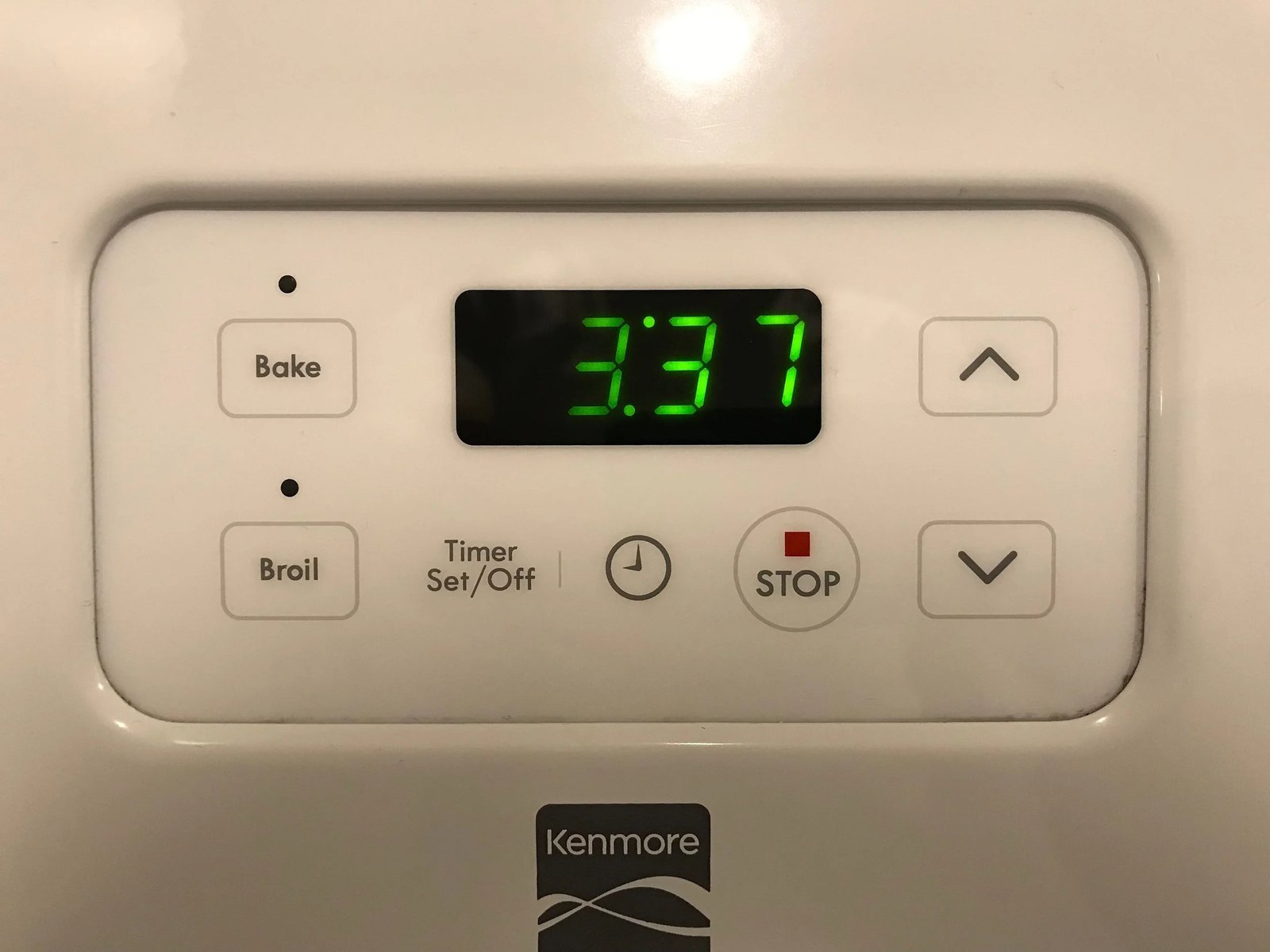
A simple power interruption or a tripped circuit breaker is the most common reason for a kenmore oven display not working, usually resolved by resetting the power at your main electrical panel. In a small number of cases, the control board itself has failed, which requires a professional service call. To confirm if the issue is power-related, check if other kitchen appliances on the same circuit are functioning. If the entire kitchen area is dark, the problem lies with your home’s electrical system rather than the oven.
Why your Kenmore oven display not working
| Cause | How common | How to confirm it | Fix it yourself? |
|---|---|---|---|
| Tripped breaker | Very common | Check main panel | Yes |
| Loose power cord | Common | Inspect wall outlet | Yes |
| Failed control board | Occasional | No panel light | No |
| Damaged wiring | Rare | Smell burning | No |
| Door switch fault | Rare | Lights stay off | No |
Most users assume a total power failure means a dead appliance. Start by checking the breaker box for a tripped switch. If the breaker is fine, contact a technician to inspect the outlet for wiring issues rather than a machine fault.
If the machine has power but refuses to start, check the door latch. A faulty switch prevents the cycle from engaging for safety reasons.
Never attempt to bypass a thermal fuse. Replacing a failed control board requires specialized tools to prevent shorting the new unit. If you smell burning plastic, unplug the unit immediately. This indicates a wire has melted, which poses a significant fire risk that requires professional repair.
Power supply and circuit interruptions
A tripped circuit breaker is the primary suspect when your appliance screen remains blank. Because ovens draw high amperage, they often have dedicated breakers in your home’s electrical panel. When this switch flips to the “off” or “middle” position, the display loses all power instantly. To check this, locate your home’s main service panel and look for a switch labeled “Oven” or “Range.” If the switch isn’t in the “on” position, flip it all the way to “off” and then back to “on” to reset the connection.
If the breaker is already in the “on” position, the power cord might have shifted. Over time, the vibration of the oven can cause the heavy-duty plug to loosen from the wall outlet. Carefully pull the oven away from the wall just enough to see the connection behind the unit. Ensure the plug is pushed firmly into the socket. If the plug feels loose or the outlet shows signs of scorching, stop immediately.
This assumes you’re working with a standard 240-volt range outlet; if you have a gas model with a standard 120-volt plug, the same reset rules apply. If you determine the outlet itself has no power, you must contact a licensed electrician to inspect the wiring. Never attempt to replace an outlet or move high-voltage wiring yourself, as these systems carry significant risks. For further guidance on maintaining safe electrical environments in your home, consult the U.S. Consumer Product Safety Commission safety checklist.
Control board and internal component failure
A failed control board is the most frequent internal cause for a dark display when you have already confirmed that the unit is receiving power. The control board acts as the brain of your appliance, managing everything from the clock display to the heating elements. If this component experiences a surge or reaches the end of its functional life, it will cease to communicate with the display panel. You can tell this apart from a power issue because the oven will show absolutely no signs of life, even when the breaker is known to be functional and the cord is secure.
This varies by model; some Kenmore units have a secondary glass fuse located on the control board itself that may blow to protect the electronics. If you suspect an internal failure, don’t attempt to open the control panel housing. The internal components, particularly the capacitors, can hold a lethal electrical charge even after the oven is unplugged from the wall. If you have confirmed that the wall outlet is providing power but the screen remains blank, the repair requires a qualified technician who can safely test the board’s voltage and replace the part if necessary. Attempting to disassemble the control panel yourself will void your warranty and risks permanent injury from high-voltage components.
Thermal fuse and safety mechanisms
A blown thermal fuse is a safety feature designed to cut power to the oven if the unit reaches dangerous temperatures. When this fuse detects excessive heat, it creates an open circuit to prevent a potential fire, which effectively kills the display and all other functions. You can often identify this issue if the oven stopped working immediately after a self-cleaning cycle or during a period of heavy use. If the oven was operating normally and then simply went dark, the fuse may have tripped to protect the internal wiring.
This isn’t a repair for the average user because the thermal fuse is located deep inside the unit behind the back panel. Accessing it requires removing the rear casing, which exposes live wires and delicate internal components. If you suspect the thermal fuse has blown, your only safe path is to call a professional repair service. They will confirm whether the part has failed. If the fuse is indeed open, they will replace it with an exact manufacturer-specified part. Never attempt to bypass a thermal fuse with a jumper wire or a standard piece of metal, as this removes the oven’s primary defense against overheating and creates a severe fire hazard.
The less likely causes
- Damaged door switch: If the switch is stuck in the “open” position, the control board may keep the display dark as a safety precaution, though this is rare.
- Loose wire harness: A vibration-induced disconnect inside the control panel can occur, but this requires professional diagnostic tools to trace.
- Faulty display ribbon: The thin cable connecting the board to the screen can wear out, but this usually shows flickering before failing completely.
- Voltage fluctuation: A significant power surge from the utility company can fry the internal transformer, necessitating a full control board replacement by a pro.
What a fix usually involves
Repairing a display issue usually involves one of three outcomes. If the problem is a tripped breaker or a loose plug, the fix is free and only takes a few minutes of your time. If the problem is a failed control board or a blown thermal fuse, you’ll need a professional technician to perform the work. A technician will charge for their labor plus the cost of the replacement part.
The cost of the part varies depending on the specific model of your oven; some boards are small and affordable, while others are complex assemblies that represent a significant portion of the price of a new unit. To get an accurate estimate, find the model number on the sticker inside the door frame or on the side of the unit. Provide this number to an authorized service center so they can look up the exact cost of the component. Never buy a part based on a guess, as using the wrong board can damage the oven’s internal wiring or cause the unit to function incorrectly. Always ask for a written quote before authorizing any work.
Frequently asked questions
Can I leave the oven on if the display isn’t working?
No, you shouldn’t attempt to use the oven if the display isn’t working. The display is part of the safety control system, and if it’s dark, you can’t accurately set the temperature, monitor the time, or ensure the heating elements shut off correctly. A blank screen often indicates a failure in the board that controls the heating cycles, which could lead to an overheating hazard.
Is it safe to try and fix the display myself?
Yes, you can safely check the circuit breaker and the wall outlet for power. However, any repair involving the removal of the oven’s exterior or interior panels isn’t safe for a non-technician. These areas contain high-voltage components, including capacitors that store electricity even when the unit is unplugged. If the issue isn’t the breaker or the plug, you must stop and call a professional.
How long does a professional repair usually take?
A professional repair usually takes about one to two hours, provided the technician has the correct part in stock. If the control board is no longer in production or needs to be ordered from the manufacturer, the repair may take several days. Always ask the technician for an estimated timeline when they provide their initial diagnosis and part quote for your specific model.
Does a blank display mean the oven is broken forever?
No, a blank display doesn’t always mean the oven is beyond repair. Many display issues are caused by minor electrical faults, such as a tripped breaker or a loose wire. Even if the control board itself has failed, it’s often a replaceable part that can restore the oven to full functionality. Only a qualified technician can determine if the cost of the part is worth the repair.
What happens if I ignore a dark display?
If you ignore a dark display, you run the risk of the oven failing to turn off, which is a major fire hazard. Furthermore, if the issue is a damaged wire or a failing thermal fuse, continuing to force power to the unit could cause further damage to other components. It’s best to turn off the power at the breaker until a professional can inspect the machine.
Final Thoughts
If your screen remains blank after checking the breakers, don’t hesitate to reach out to a local technician. They’ll quickly determine if a loose wire or a faulty part is to blame. It’s better to get it fixed soon so you can get back to your favorite home-cooked meals.
Related guides