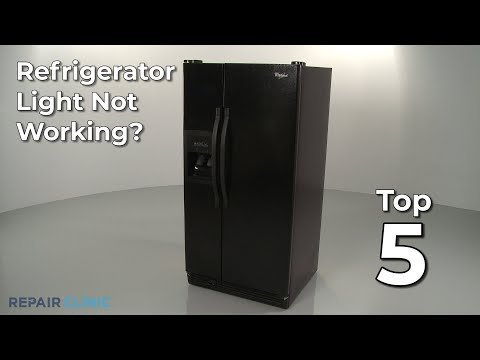
A kenmore refrigerator light not working is usually caused by a burnt-out bulb or a stuck door switch. You can often fix this issue by replacing the light bulb or checking that the door closes firmly enough to trigger the switch. If the light remains off after these simple steps, there may be a deeper electrical fault that requires professional service.
Why your Kenmore refrigerator light not working
The most frequent reason for a dark interior is simply a bulb that has reached the end of its life. Like any other light, refrigerator bulbs eventually burn out after thousands of hours of use. Because these bulbs are often in tight or recessed housings, you might not notice them flickering or dimming before they fail completely.
Another common cause involves the door switch. This small, spring-loaded button is usually located in the door frame or near the top of the refrigerator interior. Its job is to cut power when the door closes and restore it when you open it. If the switch gets stuck in the “closed” position due to sticky spills or mechanical wear, the fridge will think the door is still shut and keep the light off.
Finally, a loose connection or a blown fuse can stop power from reaching the light socket. While rare, electrical components can fail if there’s a power surge or if the wiring inside the cabinet is damaged. If your refrigerator is plugged into a GFCI outlet, it’s possible that the outlet itself has tripped, which would stop the entire unit from receiving power. Always verify that your appliance is properly connected to a grounded power source as detailed by the Consumer Product Safety Commission’s electrical safety guidance.
Replace the light bulb
If your light is out, your first step should be to swap the old bulb for a new one. This is a simple process, but you must ensure you have the correct replacement part first. This varies by model — check the label inside your fridge or the owner’s manual to find the exact wattage and base type required.
To replace the bulb, locate the cover, which is usually held in place by a small plastic tab or a single screw. Carefully remove the cover and unscrew the old bulb. If the bulb is hot, wait a few minutes for it to cool down to avoid burning your fingers. Once the bulb is out, inspect the socket for any signs of melting or corrosion. If the socket looks burnt, don’t install a new bulb, as this indicates a wiring issue that a professional must repair.
Screw in the new bulb, making sure it’s the same size and type as the original. If you use a bulb with higher wattage than recommended, you risk melting the plastic light cover. After replacing the bulb, close the door and open it again to see if the light activates. If it does not, the problem lies elsewhere.
Check the door switch
If the new bulb doesn’t solve the issue, the door switch is the next place to look. The switch is a small, protruding button that’s pushed down when the door is closed. Over time, these can get dirty or lose their spring tension.
To test this, locate the switch in the door frame. Press it in and release it several times with your finger. If it feels “mushy” or doesn’t pop back out immediately when released, it’s likely stuck. You can try cleaning around the edges of the switch with a damp cloth and a mild soap to remove any sticky residue that might be holding it down. Avoid using excessive water, as moisture should never enter the switch mechanism.
If the switch remains stuck or fails to “click” when you press it, it may be internally broken. This is a common point of failure in older units. If you’re comfortable, you can inspect the wiring connectors visible behind the switch trim, but never attempt to disassemble the switch housing itself. If cleaning the exterior doesn’t restore the light, the switch itself likely needs a replacement part. If you don’t have experience with appliance repairs, call a qualified technician to handle the electrical components.
Test the power supply
Sometimes the light isn’t the problem at all; the issue might be the power reaching the unit. If you notice that your refrigerator isn’t cooling either, check the wall outlet.
First, ensure the power cord is pushed firmly into the wall. If it’s loose, the fridge might still run, but the light may flicker or fail. Check your home’s circuit breaker panel to see if the breaker for the kitchen has tripped. If the breaker is off, flip it back to the “on” position. If you have a GFCI outlet (the kind with “test” and “reset” buttons), press the reset button.
If the fridge is cooling but the light is still off, the issue is internal. This means there’s likely a break in the wiring harness or a failure in the control board. At this point, the fix involves internal testing that requires specialized tools. This is the moment to contact a professional repair service. Attempting to bypass these safety measures can void your warranty or lead to serious injury.
What not to do
- Don’t use a standard household light bulb unless the manual explicitly says it’s safe, as standard bulbs generate too much heat and can melt the plastic interior of your fridge.
- Never use a knife or metal tool to pry out a stuck door switch, as you’ll likely scratch the plastic or cause a short circuit in the wiring.
- Don’t attempt to replace the socket or control board if you aren’t a trained technician, as these parts involve high-voltage connections that are dangerous to handle.
- Never ignore a burning smell coming from the light housing; this indicates a serious electrical fault that needs immediate professional attention, not just a bulb change.
How to stop it happening again
Regular maintenance keeps your refrigerator lighting system in good working order for years. Most failures stem from heat buildup or moisture intrusion rather than simple bulb expiration.
| If you’re doing this | Do this instead | Why |
|---|---|---|
| Leaving the door slightly ajar | Ensure the door seal is clean | Prevents the light from staying on too long |
| Using high-wattage bulbs | Use only recommended LED bulbs | Prevents melting and lowers energy use |
| Forcing the door shut | Clear items blocking the seal | Protects the door switch from damage |
| Cleaning with heavy water | Use a damp, lint-free cloth | Keeps moisture out of electrical switches |
Many owners mistakenly replace the entire socket when the issue is just a buildup of grime on the switch plunger. If the light stays on after the door is closed, your door gasket may have lost its magnetic seal. Test this by closing the door on a dollar bill. If you can pull the bill out without resistance, the seal should be replaced to maintain cooling efficiency.
Frequently asked questions
Can I leave the light off if the fridge still cools?
You should fix a broken refrigerator light to ensure you can easily spot spills or expired food. A failed light often indicates a faulty door switch or internal wiring issue. Be aware that ignoring the problem may mask other electrical symptoms like burning smells.
Why does my light flicker when I open the door?
A flickering light is usually caused by a loose bulb or a worn door switch. Tighten the bulb first, as compressor vibrations can loosen it over time. If the flickering continues after tightening, the door switch or wiring harness likely requires professional repair.
Is it safe to use a refrigerator without a light cover?
It isn’t safe to operate your refrigerator without the light cover in place. The cover protects the bulb from accidental impact and helps distribute heat safely. If yours is missing, purchase a manufacturer-approved replacement before using the fridge to prevent damage to exposed components.
How long should a refrigerator bulb last?
Standard refrigerator bulbs typically last for several years, depending on usage. If your bulbs burn out every few months, the door switch may be failing and keeping the light on constantly. This constant heat can melt the plastic housing if the issue isn’t addressed.
What happens if I ignore a broken light?
Ignoring a broken light may hide a stuck door switch that prevents the unit from cooling properly. A light that stays on generates constant heat, forcing the compressor to work harder and increasing energy costs. This symptom often points to a mechanical failure requiring attention.
Final Thoughts
If you still can’t get the illumination back, don’t worry about it too much. It’s a good idea to keep a small, battery-powered tap light inside for now. If you aren’t comfortable checking the wiring yourself, it’s best to call a local technician who’ll get things working safely again.
Related guides