
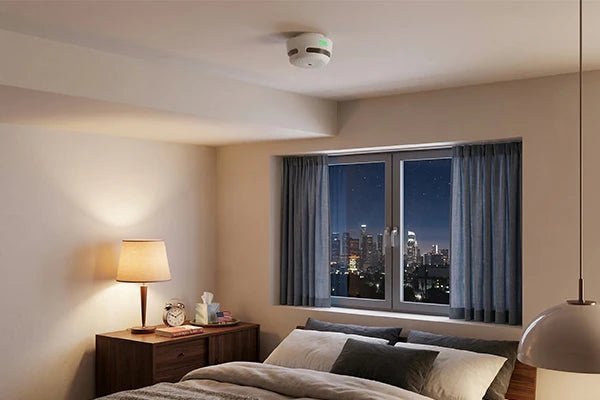
A smoke detector green light blinking usually shows that the device is connected to AC power and is operating in its normal standby mode. You don’t need to worry about this signal, as it confirms the unit has a reliable power source. To verify this, look at the front of your device for the indicator light and check if it follows the pattern described in your user manual. This light means the unit is active and monitoring your home, so you can safely leave it in place and continue your day as normal.
Understanding a smoke detector green light blinking
| What you notice | What it usually means | What to do first |
|---|---|---|
| Steady green blink | Normal AC power active | No action needed |
| Green light off | Battery power only | Test the unit button |
| Red light blinking | Low battery warning | Replace the battery |
| Chirping with light | Low battery or end-of-life | Replace battery or unit |
| Solid green light | Hardwired power source | Check the manual |
| Rapid red flashes | Smoke or fire detected | Evacuate the building |
Ignore this at your peril; a dead battery renders the unit useless during a power outage. If you hear a chirp every thirty to sixty seconds, the unit is likely signaling a low battery or that the device has reached its end-of-life. Use a soft brush attachment to clear the vents before assuming the device is broken.
Distinguish between a true emergency and a malfunction by looking at the flash pattern. Rapid, continuous red flashes indicate immediate danger. When in doubt, press the test button for five seconds. If the alarm fails to sound, the internal circuitry is compromised. Replace the entire unit immediately if it’s over ten years old, as the expiration date printed on the back overrides any light signals.
The device has power
A steady green light indicates that your smoke detector is receiving electricity from your home’s main power grid. This feature is common in hardwired units, which use your house’s electrical system as their primary source of energy. If you see this light, it means the AC power supply is active and the unit is ready to detect smoke.
You can confirm this by checking the power connection at the mounting bracket. If the green light is blinking once every minute or remains solid, it’s likely the standard indicator for your specific model.
If you notice the green light has stopped blinking, check your circuit breaker box. Sometimes a tripped breaker cuts power to the room, forcing the detector to rely solely on its backup battery. If the unit is battery-only, it won’t have a green light at all, as LEDs consume power that would drain a battery too quickly. This is a trade-off: hardwired units offer constant power, but they require a professional electrician if the wiring itself fails. If you aren’t comfortable working with electrical boxes, don’t open the ceiling mount. Always prioritize your safety and call a professional if you suspect a wiring fault in your home’s electrical system.
Battery backup mode
When your smoke detector stops showing a green light, it has likely switched to its battery backup. This happens if your home loses electricity or if the AC power cable becomes loose at the ceiling connection. Most modern detectors use a 9-volt or lithium battery to keep the alarm functional during power outages.
You can tell this apart from the AC mode because the green light will be completely dark. If the unit starts to chirp, it’s signaling that the backup battery is low and needs a replacement. This is a mistake many people make: they ignore the chirping until the alarm stops protecting them entirely. Replacing the battery usually takes less than two minutes. If you have a sealed-unit detector, the entire device may need to be replaced when the internal battery reaches the end of its life, which varies by model — check the label on the back for the expiration date.
If you replace the battery and the unit still chirps, the sensor might be dusty. Use a soft brush or a vacuum hose to clean the vents around the alarm. This clears away debris that can trigger false signals. If you have tried a new battery and the device remains silent or doesn’t pulse, the internal circuitry is likely damaged. In that case, you must purchase a new unit, as smoke alarms aren’t designed for internal repairs.
Sensor errors and faults
A smoke detector that displays an unusual light pattern or chirps randomly may be experiencing a sensor fault. This is different from the green power light because it often involves a yellow or red LED flashing when there’s no smoke present. If the light isn’t green, the device is likely telling you that it can no longer sense particles in the air accurately.
You can tell this is a sensor issue rather than a power issue by the color of the light. If the light is yellow or amber, the unit is signaling a fault. If it’s red, it’s either a low battery or a detection event. To confirm a sensor fault, press the “Test” button on the front of the unit. If the alarm doesn’t sound, the sensor is likely blocked or broken.
This is who this is NOT for: if you’re attempting to dismantle the sensor chamber itself, stop. The sensor is a sensitive optical component that can’t be repaired by hand. If the unit is an older model, it’s time to replace it regardless of the light status. Sensors degrade as they age and lose their ability to detect smoke effectively. If you’re ever unsure about the age of your detector, check the manufacture date printed on the back.
When to stop and get help
- If the alarm emits a continuous, high-pitched tone without stopping, evacuate the area immediately because it indicates a fire or a critical malfunction.
- If you smell burning plastic near the unit, turn off the power at the main breaker and contact a licensed electrician.
- If the detector is hardwired and you see frayed or exposed wires, don’t touch them; call a professional to handle the electrical repair.
- If the unit is part of a complex, interconnected home security system, don’t attempt to bypass or rewire it yourself, as this can affect the entire network.
- If you find that the alarm is an older unit, stop troubleshooting and replace the entire device, as sensors aren’t designed to last indefinitely.
Frequently asked questions
Can I turn off the green light?
The green light is a permanent feature on most hardwired smoke detectors. It provides constant visual confirmation that the unit is receiving electricity and is ready to detect smoke. Don’t cover the light with tape, as this can trap heat or block the sensor’s view.
Why is my smoke detector blinking green and red?
A blinking red light alongside a green one usually indicates that the unit has AC power but requires a battery replacement. The green light confirms the power connection, while the red light signals a low backup battery. Check your manual to confirm the specific flash pattern for your model.
How long do smoke detector batteries last?
Most standard 9-volt batteries last about six to twelve months, while sealed lithium models are designed to last up to ten years. You should check the manufacturer’s recommendation on the packaging or the detector’s label for the expected lifespan. Many experts suggest replacing all batteries at the same time each year to avoid the risk of a low-battery chirp in the middle of the night. Always test the alarm after installing a fresh battery.
Is it safe to sleep with a blinking light?
It’s safe to sleep with a blinking green light, as it’s merely a status indicator. The light confirms the alarm is functioning correctly and doesn’t pose a danger.
What happens if I ignore the green light?
Nothing happens if you ignore the green light, as it’s simply a sign that your device is working as intended. The light is there to provide constant confirmation that the unit is powered and active. If you ignore it, the detector will continue to monitor for smoke, which is exactly what you want it to do. You only need to pay attention if the light turns yellow or red.
Does it matter if the blink is fast or slow?
The speed of the blink indicates different statuses depending on your specific brand. A slow, steady blink is typically the normal standby mode, while a rapid or irregular blink may suggest a communication error or sensor fault. Consult the manufacturer’s website to identify your specific light pattern.
Final Thoughts
It’s a good idea to keep your home safe by testing the alarm button once a month. You shouldn’t ignore the device if you hear a sudden chirp, as that’s a sign it needs a fresh battery. Staying proactive ensures everything’s working perfectly, so you’ll always have peace of mind while you’re home.