
If you work with text data, you know how tricky it can be to handle different word forms. Imagine if you could simplify your text by reducing words like “running,” “runner,” and “runs” to a single base form.
That’s exactly what the Porter Stemming Algorithm does. This powerful, open-source tool makes text processing faster and more efficient by focusing on the core meaning of words. You’ll discover how the Porter Stemmer works, why it matters for your projects, and how you can easily integrate it to improve your text analysis.
Ready to unlock smarter text processing? Keep reading to learn everything you need to know about this essential algorithm.
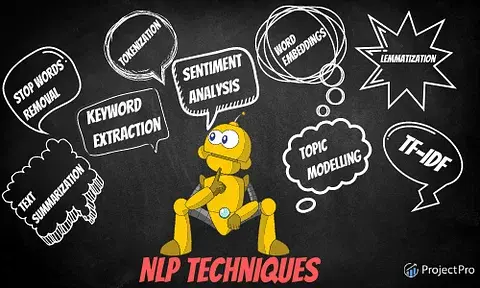
Credit: www.projectpro.io
Porter Stemming Algorithm Basics
The Porter Stemming Algorithm is a key tool in text processing. It helps reduce words to their root form. This process is called stemming. Understanding its basics is essential for anyone working with language data.
Origins And Purpose
The Porter Stemming Algorithm was created by Martin Porter in 1980. It was designed to simplify words by removing common suffixes. The goal was to improve information retrieval systems. This algorithm makes it easier to match words with similar meanings.
How Stemming Works
Stemming removes endings from words to find their base form. The algorithm applies a set of rules in steps. Each step checks for specific suffixes and removes or replaces them. This process continues until the word cannot be simplified further. For example, “running” becomes “run” and “happiness” becomes “happi.”
Common Use Cases
The Porter Stemmer is widely used in search engines and text analysis. It helps group related words for better search results. It is also useful in natural language processing tasks like sentiment analysis. Developers use it in tagging systems to organize content. The simplicity and effectiveness make it a popular choice in many projects.

Credit: link.springer.com
Algorithm Structure
The Porter Stemming Algorithm uses a clear and organized structure to reduce words to their stems. This structure helps the algorithm process words quickly and accurately. It applies a series of steps to cut off word endings in a logical order. Each step focuses on specific suffix patterns.
This structured approach allows the algorithm to handle many English words effectively. It ensures that the stemmed result is meaningful and useful for text processing tasks.
Five Phases Of Reduction
The algorithm works through five main phases. Each phase applies a set of rules to remove or change word endings. These phases run one after another, refining the word step by step.
Phase one handles common plural and past tense endings like “-s” or “-ed.” Later phases tackle more complex suffixes such as “-tion” or “-ness.” This gradual process prevents over-cutting words.
Suffix Removal Rules
Each phase contains many suffix removal rules. These rules check if a word ends with specific suffixes. If the suffix matches and certain conditions hold, the suffix gets removed or replaced.
The rules also consider the word’s length and the presence of vowels. These checks help keep the word stem valid and readable. The rules follow a logical order to avoid mistakes.
Handling Exceptions
The algorithm includes special cases for exceptions. Some words do not follow typical suffix patterns. The algorithm recognizes these and treats them differently.
Handling exceptions avoids errors in stemming. It prevents cutting important parts of words. This step improves the overall accuracy of the algorithm.
Implementations And Tools
The Porter Stemming Algorithm has many implementations and tools available. These help developers and researchers apply the algorithm easily. Various programming languages offer versions of the algorithm. Open source libraries also provide ready-to-use solutions. These tools make text processing faster and more efficient.
Python Nltk Integration
Python’s Natural Language Toolkit (NLTK) includes the Porter stemmer. It allows easy access to the algorithm for text processing tasks. Users can stem words with simple function calls. This integration supports many natural language processing projects. NLTK’s popularity makes it a common choice for beginners.
Typescript Versions
TypeScript versions of the Porter stemmer help web developers. These versions run directly in browsers and Node.js environments. They allow stemming in modern JavaScript applications. Developers can customize the code to fit specific needs. Open source repositories often host these TypeScript implementations.
Open Source Libraries
Many open source libraries include the Porter Stemming Algorithm. These libraries cover languages like Java, C++, and Ruby. They provide tested and optimized code for various platforms. Users benefit from community support and regular updates. Open source tools ensure accessibility and flexibility for all users.
Comparing Stemmer Variants
Comparing stemmer variants helps us understand their unique roles in text processing. Different stemmers use various rules to reduce words to their base forms. Choosing the right stemmer improves search accuracy and text analysis.
Porter Vs Snowball Stemmer
The Porter Stemmer is the original algorithm designed in the 1980s. It uses a set of fixed rules to trim word endings. Snowball Stemmer, also called Porter2, builds on these rules. It offers cleaner code and better performance. Snowball handles more complex cases with fewer errors. Both focus on English but differ in processing speed and accuracy.
Strengths And Limitations
Porter Stemmer is fast and simple, ideal for basic tasks. It may over-stem, chopping off too much of the word. Snowball Stemmer reduces such errors and preserves more meaning. Still, neither stemmer understands the word context. Both can cause confusion with irregular words. They work best with large text collections, not single sentences.
Language Support
Porter Stemmer mainly supports English text. Snowball Stemmer extends support to several languages like French, Spanish, and German. This wider range makes Snowball useful for multilingual projects. Both stemmers struggle with languages that have complex grammar. They perform best on languages with clear word endings. Developers choose stemmers based on the language and project needs.
Applications In Nlp
The Porter Stemming Algorithm plays a vital role in natural language processing (NLP). It simplifies words to their root form, improving the efficiency of many NLP tasks. Its applications cover various areas such as text preprocessing, search, and classification. These uses help computers understand language better.
Text Preprocessing
Text preprocessing prepares raw text data for analysis. The Porter Stemmer reduces words to their stems. For example, “running,” “runs,” and “runner” become “run.” This reduction lowers the number of unique words. It helps models focus on meaning rather than word variations. This step is crucial for clear, consistent data.
Search And Information Retrieval
Search engines use stemming to improve results. The algorithm matches different word forms to a single stem. This process returns more relevant results for user queries. For instance, searching “connect” will also find “connected” and “connecting.” This broadens search scope without losing accuracy. It makes information easier to find.
Tagging And Classification
In tagging and classification, the Porter Stemmer helps group similar words. It reduces noise by combining word variants. This improves accuracy in tasks like sentiment analysis and topic detection. The algorithm helps machines understand the core meaning of words. It leads to better organization and interpretation of text data.
Optimizing Stemming Performance
Optimizing stemming performance is essential for improving text processing accuracy. The Porter Stemming Algorithm reduces words to their root forms, but fine-tuning it enhances results. Careful adjustments help handle language nuances and improve search and analysis. This section explores key strategies to optimize stemming for better performance.
Handling Ambiguities
Stemming may create ambiguous roots from different words. For example, “organ” and “organic” could be reduced to the same stem. This causes confusion in text analysis. To handle ambiguities, implement exception lists for irregular words. Using context clues also helps distinguish meanings. Testing stems on real data reveals common errors to fix.
Balancing Precision And Recall
Precision means correct stems only. Recall means finding all possible stems. Too much stemming lowers precision by merging unrelated words. Too little stemming lowers recall by missing related forms. Balance by adjusting the algorithm’s rules. Use a small test set to measure results. Aim for the best trade-off based on your task.
Customizing For Specific Domains
Different fields use unique vocabulary and word forms. The basic Porter algorithm may not fit all domains. Customizing rules improves relevance. For example, medical texts need special handling of terms. Add domain-specific suffixes or exceptions. Regular updates keep the stemmer aligned with new language use. Domain customization increases accuracy and usefulness.
Contributing To Open Source
Contributing to open source projects like the Porter Stemming Algorithm helps improve tools that many rely on. Open source contributions build skills and connect you with other developers. Your input can make the algorithm more accurate and efficient. The community welcomes all levels of contributors, from beginners to experts.
Joining the effort starts with understanding how to access the project and share your improvements. Resources exist to guide you through the process and help you stay involved.
Accessing The Codebase
The Porter Stemming Algorithm’s code is available on platforms like GitHub. You can download or clone the repository to your local computer. The code is usually well-organized and documented. This makes it easier to explore how the algorithm works. Check the README file for setup instructions and contribution guidelines.
Submitting Improvements
Improvements can include bug fixes, performance updates, or new features. Fork the repository and create a new branch for your changes. Test your code thoroughly before submitting a pull request. Write clear descriptions of what you changed and why. Project maintainers review submissions and provide feedback to ensure quality.
Community Resources
Many open source projects offer forums, chat rooms, and mailing lists for discussions. These spaces are great for asking questions and sharing ideas. Documentation and tutorials help new contributors get started. Following the community’s code of conduct keeps interactions respectful and productive. Active participation builds trust and opens doors to more collaboration.

Credit: www.projectpro.io
Frequently Asked Questions
What Is The Porter Stemming Algorithm Used For?
The Porter Stemming Algorithm reduces words to their root form. It helps simplify text data for search and analysis. This makes processing language more efficient.
How Does The Porter Stemming Algorithm Work?
It applies a series of rules to trim word endings. Each step removes suffixes like -ing or -ed. The goal is to find the base word stem.
Is The Porter Stemmer Open Source?
Yes, the Porter Stemmer is available as open source. Many text processing tools include it for free. This allows developers to modify and improve it.
Which Languages Does The Porter Stemming Algorithm Support?
The algorithm mainly supports English words. It is not designed for other languages. Different stemmers exist for languages like Spanish or French.
Why Choose The Porter Stemmer For Text Processing?
It is simple, fast, and widely tested. The algorithm balances accuracy with speed well. Many natural language tools rely on it for basic stemming.
Conclusion
The Porter Stemming Algorithm remains a key tool in text processing. It simplifies words to their base forms for easier analysis. This open-source project helps many applications handle language effectively. Its clear rules and steps make it easy to use and understand.
Developers and researchers rely on it to improve search and data mining. Exploring this algorithm deepens your knowledge of natural language processing. Try using it in your projects to see how it works. Simple, yet powerful. A smart choice for handling English text data.