A broken or disconnected fiber optic patch cable is the most common reason for a unifi los red light blinking on your networking hardware. You should stop attempting to force a connection or reset the device through software until you have inspected the physical cable, as a damaged fiber strand can cause permanent signal loss.
Understanding the UniFi LOS red light blinking
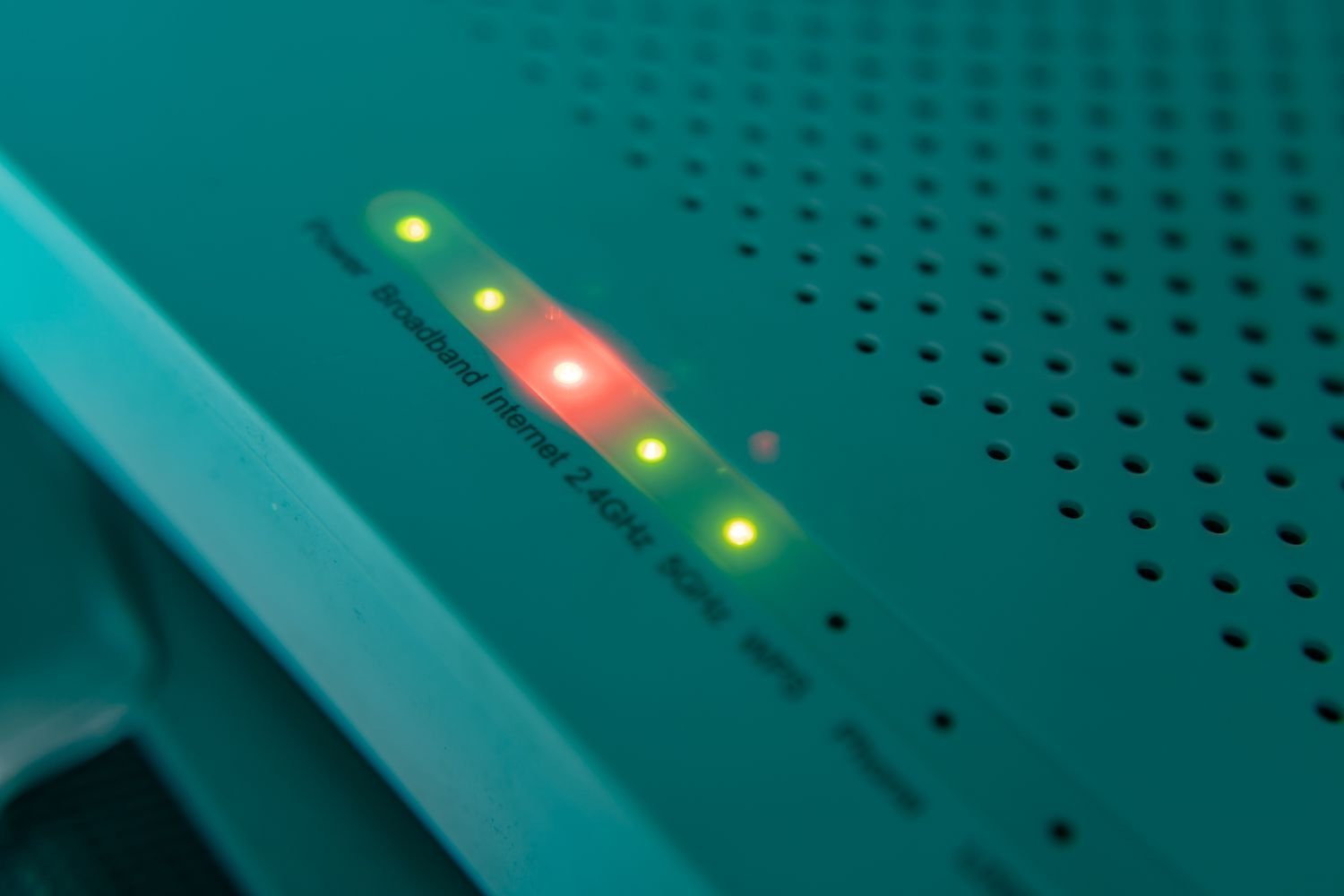
The status light provides an immediate visual diagnostic for your fiber connection state.
| What you notice | What it usually means | What to do first |
|---|---|---|
| Blinking red light | No signal detected | Check the cable |
| Solid red light | Hardware failure | Power cycle device |
| Flickering green | Data transmission | No action needed |
| No light at all | Power supply issue | Check wall outlet |
| Amber light | Connection negotiating | Wait 60 seconds |
| Rapid red flash | Signal too weak | Clean fiber ends |
Most users mistake a solid red light for a simple outage. If you see this, wait three minutes after the power cycle. If the red light persists, the internal modem has likely suffered a permanent component failure.
You can distinguish a weak signal from a total loss by watching the pattern. A blinking red light suggests a severed line, while a rapid flash indicates the signal is merely degraded. If you see the rapid flash, check the fiber tip for dust.
If the light stays amber for longer than two minutes, your router is caught in a handshake loop. In this case, bypass any secondary switches and plug the fiber cable directly into the primary gateway to isolate the fault.
Fiber cable physical damage
A bent or damaged fiber optic cable prevents light from reaching the SFP module. Fiber optic glass is extremely sensitive to tight bends; if a cable is folded at a radius smaller than ten times its diameter, the light signals will leak out of the core rather than traveling to the receiver. This loss of signal forces the hardware to enter a fault state.
To confirm this, visually trace the cable from your router to the wall jack. If you see any kinks, heavy objects resting on the cord, or sharp bends behind your equipment rack, this is your culprit. You can verify this by gently straightening the cable while watching the light. If the light changes or stops flashing, you have found the break.
The fix is a simple replacement. If the cable is damaged, don’t attempt to splice it yourself, as fiber repair requires specialized fusion splicing equipment. Purchase a new single-mode or multi-mode patch cable that matches the connector type—usually LC-to-LC—and the length of your original cord. Always ensure the new cable is rated for the same bandwidth, such as OS2 for single-mode, to maintain your network speeds. Once you swap the cable, the device should automatically re-establish the link within 30 seconds. If the light remains red after replacing the cable, the issue lies further upstream in the provider’s network or the port itself.
SFP module misalignment
The SFP transceiver module may not be seated correctly in the device port. These modules must click firmly into the slot to create a complete electrical and optical connection. If the module is loose, the pins won’t make contact with the internal backplane, causing the system to report a loss of signal.
Check the module by pressing it into the port until you hear a distinct click. If it feels loose or wiggles when you touch it, remove the module entirely by flipping the bail latch down and pulling it straight out. Inspect the gold pins on the bottom of the module for any dust or debris. You can clean these pins with a dry, lint-free cloth. Once clean, reinsert the module firmly. If you have a spare SFP module, swap it with the current one to see if the red light persists.
This varies by model; some switches require you to perform a hard reboot after reseating an SFP module to force the port to re-initialize. If you’re using a third-party module, check the Ubiquiti help center for a list of officially supported hardware. Using unsupported modules often causes intermittent signal drops or total connection failure. If the light turns green after reseating or swapping the module, your hardware is likely functioning normally.
Upstream network outage
Sometimes the problem isn’t inside your home but at the service provider’s end. The signal might be lost due to a severed line in your neighborhood or maintenance work being performed on the local distribution hub. If you have checked your cables and confirmed the SFP module is secure, the issue is likely external.
You can tell this apart from the other causes by checking your other network devices or calling your service provider’s automated status line. If you don’t have a secondary way to check, look at the fiber wall jack (the ONT or media converter). If the “LOS” or “Optical” light is red on the provider’s equipment, the problem is definitely outside your control.
If you identify an upstream outage, there’s no fix you can perform on your own equipment. Wait for the provider’s technicians to restore the service. A mistake people often make is resetting their router to factory defaults during an outage; this costs them their custom configurations and SSID settings without actually fixing the incoming signal. If you have confirmed that your internal cables are intact and the SFP module is seated correctly, you must contact your internet service provider to report a “no light” condition on your fiber line. They will send a technician if the signal break is located between the street and your home.
When to stop and get help
Damaged fiber wall jack: If the glass connector inside your wall port is shattered or burnt, don’t touch it. You could sustain an eye injury from invisible laser light or get glass splinters in your skin. If the port housing itself is loose or recessed, stop immediately; forcing a cable into a misaligned port will permanently snap the internal ceramic ferrule.
Persistent red light after cable swap: If you have replaced the patch cable and the SFP module and the light remains red, the internal port on your switch or router may be faulty. Test the SFP module in a different known-working port if possible. If the red light persists across multiple ports, the issue is likely a failed transceiver or a total loss of light at the source.
Outdoor line damage: If the fiber cable leading into your house is visibly snapped or pulled from the siding, this requires a professional utility repair. Never attempt to splice outdoor fiber yourself. These lines require specialized fusion splicing equipment to maintain the signal integrity needed for high-speed data.
No signal from provider: If the service provider confirms an outage, don’t attempt to climb utility poles or open external junction boxes. This is illegal and dangerous. Contact your ISP’s technical support department. They have the testing tools to check the signal power levels reaching your home from their central office.
Frequently asked questions
Can I fix a broken fiber cable with tape?
No, you can’t repair fiber optic cables with tape or glue. Fiber signals travel as light through a hair-thin glass core; any obstruction, air gap, or misalignment caused by tape will block the light completely. If your cable is damaged, you must replace the entire patch cord to restore your connection. Taping it won’t work and may leave sticky residue that damages your hardware ports.
How long does it take for the light to turn green?
It usually takes between 10 and 60 seconds for the device to negotiate the connection. When you plug in a new cable or reseat an SFP module, the hardware performs a handshake with the provider’s equipment to verify the signal. If the light remains red after two minutes, the signal isn’t reaching the device, and you should re-check your physical connections.
Is it safe to look into the fiber cable?
No, it’s never safe to look directly into a fiber optic cable. These cables carry invisible infrared laser light that can cause permanent retinal damage before you even realize you have been exposed.
What happens if I ignore the red light?
Ignoring the light means your network will remain disconnected until the physical issue is resolved. The hardware will continue to poll the port for a signal, which consumes a small amount of power but doesn’t damage the device. However, if the red light is caused by a short circuit in the power supply or a failing SFP module, it could potentially lead to further hardware instability.
Does it matter which SFP module I use?
Yes, it matters significantly because not all modules are compatible with every switch. Ubiquiti devices are designed to work with specific fiber standards, and using an incompatible module can result in a mismatch of signal protocols. Always check the official documentation for your specific model to see which modules are supported, or stick to the manufacturer’s own branded SFP modules to ensure full compatibility.
Why is the light blinking instead of solid?
A blinking red light usually indicates that the device is searching for a signal but can’t find a valid light source. If the light were solid red, it might indicate a more severe hardware fault or a catastrophic failure within the device’s internal components. A blinking state suggests that the hardware is alive and waiting for a valid optical handshake to establish a link.
Final Thoughts
If the light stays red after you’ve checked the cable, it’s time to contact your service provider. They’ll run a remote test to see if the issue is happening further down the line. Don’t worry, they’ve seen this before and can help you get back online quickly.
Related guides