Tractor refuses to start in the middle of a field, so which means sudden stop is where a solid new holland fault codes list turns panic into a five-minute check instead of a three-hour dealer wait.
TL; DR
- New Holland machines flash codes for engine, transmission, hydraulics and dashboard problems using clear number ranges you can read yourself.
- Engine issues land in the 3000-3999 block while hitch and auxiliary faults use 1000-1999 for faster location.
- Weak batteries and bad grounds cause many lockouts that look serious but clear after simple power and ground fixes.
Key Point
- Always test battery voltage and ground straps before you blame a sensor or ECU because those two items trigger most false codes.
- Older TM series tractors let you pull stored codes under the HBdashboard menu and wipe them underHC with no computer required.
- The J-1 U000 error on compact Boomer models almost always traces back to low voltage rather than a dead engine controller.
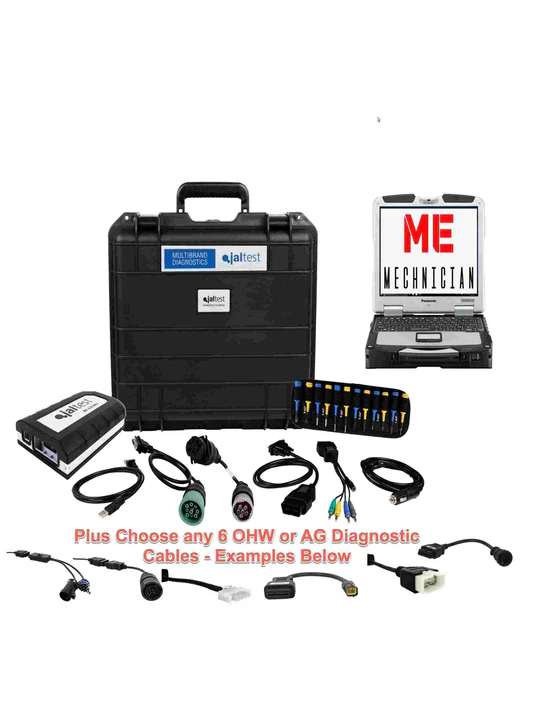
- Official Electronic Service Tool software plugs into the SAE J1939 CAN bus so you can watch live data and clear active faults at the farm instead of waiting for a tech.
What Is a New Holland Fault Code?
A New Holland fault code is a short, actually. That's not quite right, alphanumeric message the machine displays when its sensors. The follow-up question is obvious. Or controllers detect anything outside normal ranges for engine, transmission, hydraulics or safety systems.
Under normal conditions, it tells you exactly which circuit or component demands attention. All the time freezes the tractor until the issue is resolved. However, nuance is required here.
These codes appear on the instrument cluster the moment a parameter goes out of limits. In many cases, and but operators gain clear location feedback instead of guessing whether that problem sits in coolant, fuel or a safety switch. It’s worth noting that that feedback alone keeps harvest days from turning into wasted labor hours.
You probably know someone who spent an afternoon chasing a phantom engine failure only to find a corroded battery cable. In reality, wait, that's not quite right, which is why the real pattern is even simpler for most farms. Voltage drops and loose connectors set the codes more regularly than failed electronics. The onboard computer still records them as genuine faults. So you see numbers that look, or rather, expensive until you check the basics first.
Core Ranges Inside the New Holland Fault Codes List
Engine codes run from 3000 to 3999. And cover common warnings like high coolant, you know what, temperature under code 3006 or water-in-fuel under 3146.
Hitch and auxiliary functions sit between 1000 and 1999. That's a significant gap. The outcome varies. Knowing these two blocks lets you narrow the problem area in seconds without opening a service manual.
Stick with me here; this pays off.
| Code Range | System Covered | Typical Trigger |
|---|---|---|
| 1000-1999 | Hitch & Auxiliary | Sensor or valve faults |
| 3000-3999 | Engine | Temperature, fuel, sensor issues |
| Dashboard specific | Safety & electrical | Switches, relays, voltage |
Loads of starting failures that look like major engine problems clear. After a cheap relay swap. The computer still needs a reset after you replace the part. Which is why the light stays lit until you clear memory.
Under normal conditions. Compact Boomer owners keep seeing the J-1 U000 message.
It almost never means the engine control unit died. A weak battery or lousy ground connection is the usual culprit.
Charge the battery, clean the ground, and power cycle. The code often disappears. Plus, if you think about it, this pattern is hit or miss only when the owner skips the voltage test and jumps straight to expensive parts. Which basically drives the core point.
Why do older models use H menus for codes?
Shifting gears a bit. Older TM series tractors store codes under the HBselection of their H-Routines and clear them underHC. You reach the menus with dashboard buttons alone. Farmers value this setup because it supports clutch calibration.
And error reading with zero external software cost or dealer software fees. Though practical limits do exist.
How to Pull and Clear Codes on Your Tractor
Arguably both paths give live data. And permanent clear options so you avoid repeated dealer rolls.
- Park safely and set the parking brake.
- Turn the key to the diagnostic position and follow the H1 through HE menu path or connect EST software.
- Record every active and stored code before you clear anything.
- Fix the root cause, then clear and recheck for returning numbers.
The EST tool remains the strongest option for right-to-repair owners. It views live tractor data and clears codes without a shop visit. Proprietary transmission or hitch codes still stay harder to decode without a service manual, yet the standard bus protocol makes generic tools useful (which works out well in practice) for basic reads. And battery voltage often sits at the center of everything.
Test it first every single time.
Is the Electronic Service Tool worth owning for one machine?
Circling back for a moment, yes if you run multiple units or hate waiting for dealer availability, connecting directly to the. No, scratch that; SAE J1939 network puts live data and clear (which works out well in practice) functions in your hands. Single-tractor owners can still rely on dashboard menus for most everyday codes. And call for EST only on stubborn proprietary faults.
From a practical standpoint. Mostly, minor glitches in cheap relays or seat switches trigger full start lockouts.
Forum owners report that replacing the five-dollar relay solves the no-start far more all the time than engine parts. Worth considering.
But here's the thing – yet, even after the physical fix, the computer may — thinking about it more, keep the lock until you perform a proper reset cycle. That extra step frustrates the majority but prevents unsafe restarts.
Veteran operators often note that wiring corrosion and weak batteries cause most New Holland fault codes, so always inspect connections before buying expensive controller replacements.
Electrical faults share the same DNA as common car issues, so a key stuck in the ignition on a Chevy often traces to the same voltage or switch problems that lock tractors. Transmission codes behave in the same way to the persistent BMW X5 transmission problems many owners face.
And sure enough, where sensors and wiring create false severity. Before any major gear failure appears. Store this one. It ties everything together later.
Common Mistakes That Keep Codes Coming Back
The single biggest error is clearing codes without fixing the actual cause… you get temporary relief then a return of the same number during the (at least based on current observations) next cold start. Is it worth it though? 8 volts. Which is why third is ignoring safety switch adjustment after a cab repair or seat change.
Actually, let’s put that more precisely. Nothing overly complex.
The real distinction here is between active and stored codes. Active codes freeze the machine now.
Stored codes sit in memory as history. You must address both, which is why skipping stored; I mean. History means you miss intermittent glitches that only appear under load.
Some owners panic at every dash light the way drivers react to Mazda 6 transmission problems. The difference is that New Holland systems give you the number ranges. And dashboard menus needed to self-diagnose most events. That capability sits for instance the right-to-repair push.
People Also Ask
How do you clear New Holland fault codes without dealer software?
Newer machines need a power cycle plus EST connection to fully wipe memory on the CAN network. Always recheck freeze-frame data after clearing so returning codes show up immediately.
What does code 3006 mean on a New Holland tractor?
Code 3006 signals high coolant temperature inside the 3000-3999 engine range. Check coolant level, radiator cleanliness and thermostat first, and continued high temp can lock the machine to protect the engine, so ignore the code only at your own risk.
Can a weak battery cause multiple fault codes at once?
Yes. Low voltage drops sensor reference levels and triggers simultaneous codes across engine and dashboard systems. Charge or replace the battery, clean grounds, then clear. And retest; this single step removes the bulk of mysterious multi-code events.
Do you need the EST tool for every code?
No. Dashboard H-Routines handle routine reads and clears on older series. EST becomes valuable when you want live parameter graphs or. When proprietary transmission codes refuse to clear with basic processes.
Why does the tractor stay locked after replacing a safety switch?
The computer stores the previous open-circuit fault until you perform a full clear cycle. Simply swapping the switch leaves the stored code active. Plus, reset with the dash menus or EST after installation finishes the job.
- Measure battery voltage — Confirm you hold at least 12.4 volts resting before any further diagnosis.
- Inspect all ground straps — Clean and tighten every chassis and engine ground connection you can reach.
- Record active codes — Write every number shown so you keep history after the clear step.
- Fix root cause then clear — Use dash menus or EST only after the mechanical or electrical repair is complete.
- Retest under load — Run the tractor until operating temperature and recheck for returning codes.
Reading the Full Picture and Next Learning Steps
You'll notice a complete new holland fault codes list removes the fear from a flashing dashboard. You now know the 3000-series engine block, the 1000-series hitch range. The battery-first troubleshooting path and the simple H-menu tricks that older tractors still offer. Keep a notebook of your most frequent codes so patterns become obvious over seasons.
What's the bottom line? The real power sits in treating codes as guides rather than verdicts. Check power and grounds first.
Use the free dashboard tools. Reach for EST only when the clear path ends.
That approach keeps machines running and repair dollars in your pocket. Continue by reviewing your specific model service manual for proprietary transmission numbers and practice one full diagnostic cycle this week.
Exact knowledge of the new holland fault codes list turns every operator into a faster first-line tech. Master the ranges once and you avoid most unnecessary trips for years.
FAQs
Where can owners find an official New Holland fault codes list?
Official lists appear inside dealer service manuals and the Electronic Service Tool software, and public ranges for engine and hitch stay consistent enough for field use even without paid access.
How long do stored codes stay in memory?
Across the board, keep in mind what we talked about earlier. Stored codes remain until intentionally cleared through the dashboardHCfunction or EST. They survive key-off cycles and serve as helpful history for intermittent problems.
Can generic OBD tools read New Holland codes?
Basic SAE J1939 protocol compatibility lets some generic readers pull standard engine codes. Yet proprietary transmission and hitch items regularly stay locked without EST or dealer software.
🔍 Research Sources
Verified high-authority references used for this article