
Mazda 3 transmission problems hit many owners hard. From a practical standpoint, when the car suddenly drops into limp mode or starts chirping mid-shift. 5L models. Understanding the root causes helps you act before a $6,000 repair bill arrives, and small design choices turn everyday heat and vibration into expensive breakdowns that leave drivers stranded.
TL; DR
- Early 2006-2015 Mazda 3 models fail from TCM overheating that cracks solder and forces 3rd-gear limp mode with communication loss.
- Post-2019 cars with cylinder deactivation create iron particles that damage the lock-up clutch and cause sharp 3rd-to-4th gear chirps.
- Only Mazda blue ATF-FZ fluid protects the clutches; generic ATF quickly leads to slippage, hard shifts, and shudder.
Quick Action
- Scan for codes U0101, P0842, or P0847 at the first AT light appearance.
- Check transmission fluid color and smell every 30,000 miles looking for metal glitter.
- Relocate or rebuild a failed TCM instead of buying a costly new unit from the dealer.
- Perform the shift-lever and ignition reset sequence for mild lurching before any shop visit.
- Verify TSB coverage status for torque converter issues on all post-2019 vehicles.
What Are Mazda 3 Transmission Problems?
Mazda 3 transmission problems are recurring automatic gearbox faults that produce limp-home mode, erratic shifting, AT warning lights, metallic chirps, and complete TCM communication failures. They primarily affect the FW6A-EL SkyActiv-Drive 6-speed units rather than the mechanical gears themselves.
The system relies on a torque converter and precise hydraulic control. Mazda chose this traditional geared design over the slower. More fragile CVTs used by tons of competitors. The SkyActiv-Drive locks the converter up to 82 percent of the time for near-manual engagement and better efficiency.
No question about it. That same lock-up process becomes a wear point when vibrations increase.
You probably know someone who assumed the transmission was bulletproof until an unexpected AT light appeared. The real issues start at the control electronics and fluid interfaces. Similar patterns show up across the lineup, and related Mazda 6 gearbox concerns follow comparable electronic stresses. File that away.
You'll see why it matters in a bit.
How does the SkyActiv-Drive system actually work?
It multiplies torque at launch through the fluid coupling then locks the (and rightly so) clutch for direct power. Oil pressure switches and solenoids meter fluid to the clutch packs. Dirt or heat messes up those pressure; well, actually, signals and creates the most common faults.
Main Causes of Mazda 3 Transmission Failures
Here's the long and short of it: blocksep matters. As far as I know, and fluid contamination sit, actually, that's not quite right, behind nearly every case of mazda 3 transmission problems.
On 2006 to 2015 models the TCM mounts head-on on the hot transmission case. Worth pausing on that one.
But the silicone encapsulant blocks heat escape and cracks solder joints. Total communication loss follows and the car drops into 3rd-gear limp mode under DTC U0101 or U0100.
Nate Schnell described the flaw this way:
The original design of the TCM places the control board within a silicone encapsulant… it actually isolates the board from the heat sink, preventing it from conducting heat properly. As the TCM gets hot under normal operating conditions, the heat has no way to escape, causing the internal components to overheat.
5L engines and cylinder deactivation generate extra vibration. Those forces wear the torque converter lock-up clutch and throw tiny iron pieces into the fluid, drivers then hear a sharp chirping sound shifting from 3rd to 4th gear. Mazda released TSB 05-005/23 covering the iron powder contamination path.
SkyActiv 6-speed automatics also clog their valve-body, thinking about it more, oil pressure switches with microscopic dirt particles. That raises the Check Engine and AT lights plus codes like P0842 or (depending entirely on the context) P0847 under TSB 05-002-23. Make of that what you will. Sound familiar?
The modern transmission is insanely sensitive to fluid chemistry. You get the idea. It demands only original blue Mazda ATF-FZ.
Anything else produces clutch slippage, challenging shifts, and low-speed shudder.
Wait, that's not quite right — the damage builds over many miles rather than one fill. Yet the result is the same expensive rebuild. Strict fluid rules protect the pack for the full service life.
Warning Signs of Mazda 3 Transmission Problems
Early signs include the AT indicator, Check Engine light. On average, chirping between 3rd and 4th almost pretty much always means iron powder already fills the fluid. Low-speed lurching appears when the computer adaptive memory loses its learned shift map.
David Morley observed:
Transmission Control Module (TCM) faults are not unknown on these early Mazda 3s. Symptoms usually involve erratic shifting, a failure to select gear at all and having the car go into limp-home mode.
One 2020 owner with just 37,000 miles faced a bad torque converter right after warranty ended. Puts things in perspective. From a practical standpoint, mazda corporate refused goodwill assistance on the large bill.
Plus, advisors sometimes decline software updates when they can't recreate the a pain shifts during a short drive. Patterns of electronic gearbox sensitivity also appear in BMW X5 transmission failures.
At least, that outlines the core theory.
What diagnostic codes point to these failures?
U0101 and U0100 mean lost TCM communication. P0842 and P0847 show stuck oil pressure switches.
Not always the case. Dedicated scanners pull the deeper data. Detailed code interpretation helps just as fault code lists clarify heavy equipment issues.
| Year Range | Primary Failure Mode | Key Codes / TSB | Typical First Step |
|---|---|---|---|
| 2006-2015 | TCM solder cracks from heat | U0101 / U0100 | Rebuild and relocate module |
| 2019+ | Torque converter lock-up wear | TSB 05-005/23 | Fluid analysis for iron |
| All SkyActiv | Pressure switch clogging | P0842 / P0847 / TSB 05-002-23 | Clean or replace switches |
Repair Options That Actually Solve Mazda 3 Transmission Problems
This brings up an interesting angle. Replacing a torque converter outside warranty can easily climb past $6,000 once labor and correct fluid enter the total. Valve body teardowns add more. Older TCM units rebuild affordably at third-party shops that correctly pot the board and boost heat transfer.
Drivers can often reset adaptive shift habits at home, which is why a sequence of ignition cycles and shift-lever positions clears the computer memory and smooths erratic patterns.
Is a full transmission replacement ever needed?
At a high level, full replacements stay rare. When iron powder or heat damage gets caught early. Fluid exchange, switch cleaning, TCM rebuild. Or lock-up clutch service under TSB covers most cases.
Delaying until total failure forces the high-dollar path.
- Scan codes right away — Use an OBD tool that reads manufacturer data for U0101, P0842, and related DTCs.
- Inspect fluid condition — Sample for blue color, burning odor, or metal particles that prove clutch wear.
- Reset shift memory — Run the ignition-and-lever sequence if patterns feel off without hard codes.
- Check open TSBs — Confirm 05-005/23 or 05-002-23 applies to your VIN with a dealer.
- Refill with ATF-FZ only — Never accept substitutes during any service.
People Also Ask
Do all Mazda 3 model years share the same transmission issues?
2006-2015 cars mainly suffer TCM solder cracks from case heat. 5L models with cylinder deactivation face torque converter lock-up wear, and both still need exclusive ATF-FZ fluid.
Can you safely drive a Mazda 3 stuck in limp mode?
This brings up an interesting angle. Only a short distance to the nearest shop. Continued third-gear operation overheats the remaining fluid and accelerates clutch damage. Towing is safer.
How much does a torque converter replacement usually cost?
Under normal conditions, outside of warranty the full job often exceeds $6,000 including parts. Labor, and the correct fluid. In reality, early detection of iron powder can prevent the need entirely.
Will a fluid change stop the chirping sound?
Picking up that thread from before, a simple fluid swap seldom ends chirping once iron powder appears mainly because the lock-up (a detail often overlooked) clutch itself is worn. Follow TSB procedures for proper repair.
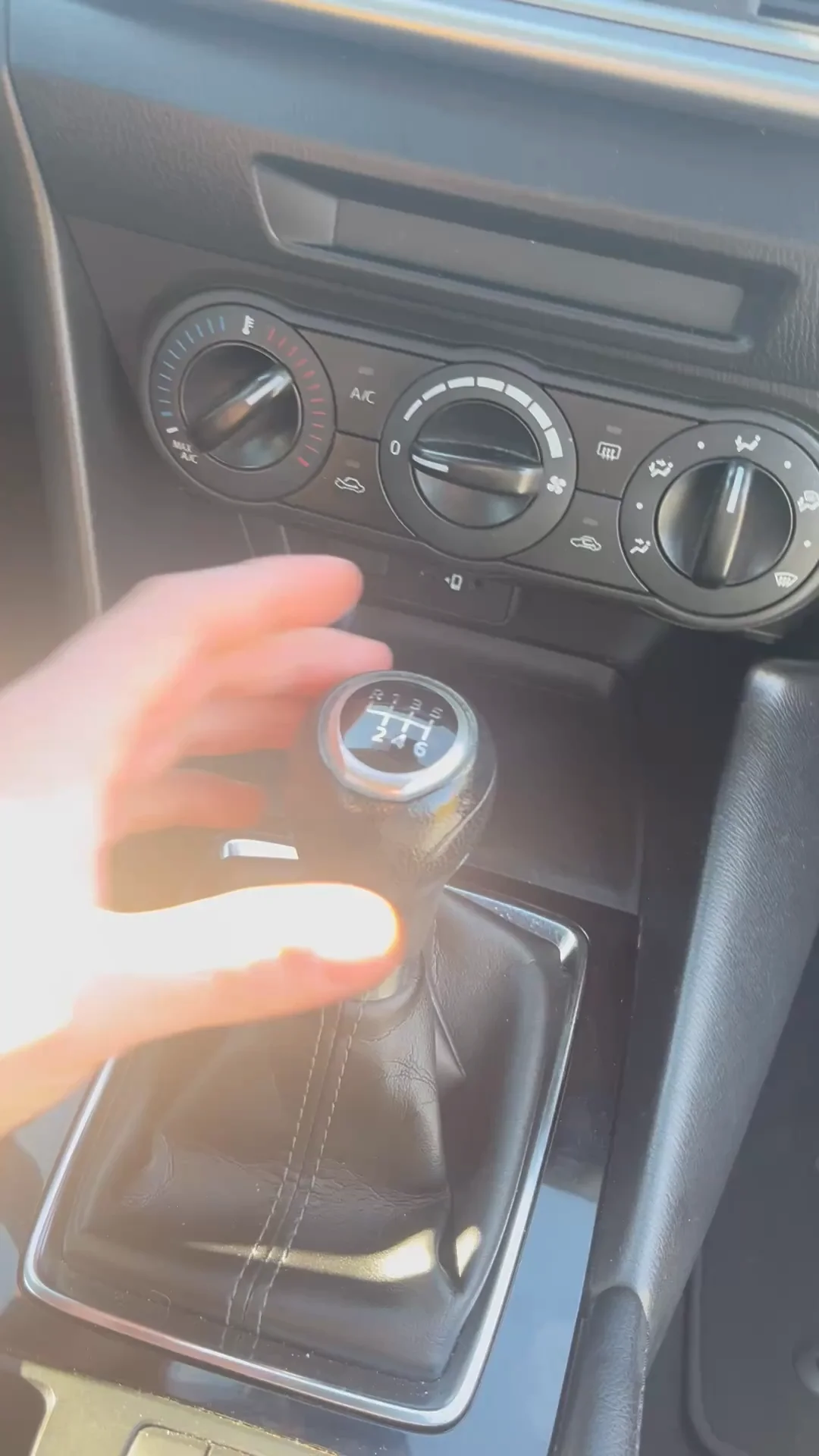
Are manual transmission Mazda 3 models free of these issues?
The underlying point remains simple. Yes.
The TCM heat cracks, pressure switch clogs. And torque converter wear apply only to the automatic FW6A-EL family. Manuals avoid all three design pathways.
Protecting Your Mazda 3 From Future Gearbox Trouble
Quick summary so far: blocksep matters. Mazda 3 transmission problems stay controllable when fluid rules get followed, codes get scanned early, and chirps almost never get ignored.
The 6-speed torque converter design delivers solid durability compared with CVTs. When owners stay on top of maintenance. Relocate older TCMs after rebuild. And insist on blue ATF-FZ every service interval.
What this means is proactive steps keep the car out of limp mode (depending entirely on the context) and the wallet closed.
Further diagnostic practice across brands builds the same early-warning habit. Keep the fluid pure and the electronics cool so small design quirks never (more on that later) turn into complete failures.
🔍 Research Sources
Verified high-authority references used for this article