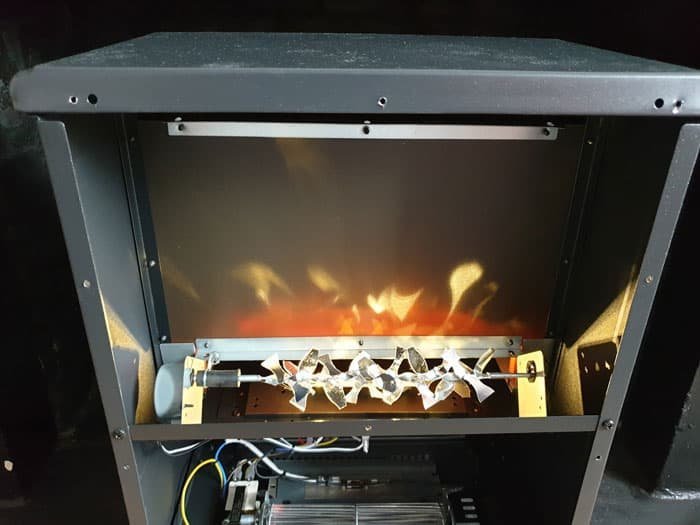
A loose connection or a burnt-out light bulb is the primary reason for an electric fireplace light not working, and these two issues account for the vast majority of cases. You can quickly confirm this by checking if the fireplace heater still functions while the flame effect remains dark. If the heat works but the lights do not, the issue is isolated to the lighting circuit. For specific instructions on your unit, always check the official product manual provided by the manufacturer to see if your model allows for simple bulb replacement.
Why your electric fireplace light not working
| Cause | How common | How to confirm it | Fix it yourself? |
|---|---|---|---|
| Burnt bulb | Very common | Visual inspection | Yes |
| Loose wire | Common | Wiggle test | Yes with care |
| Blown fuse | Uncommon | Visual continuity check | Yes |
Most users mistake a faulty motor for a simple power issue. If the unit hums but fails to move, the motor is likely seized or burnt out. Don’t attempt a repair here; the internal capacitors hold a lethal charge even when unplugged.
If the unit is silent, check the fuse first. A fuse with a blackened center or a broken internal wire indicates a power surge. Replace it with the exact amperage rating specified on the casing. Using a higher-rated fuse creates a fire hazard because it prevents the safety mechanism from tripping during a future spike.
Finally, test your remote by pointing it at a smartphone camera while pressing buttons. If you don’t see a violet flicker on your screen, the infrared emitter has failed. You must replace the remote entirely, as these components are sealed at the factory.
Safety: Inside a mains-powered machine, the parts behind the outer cover can hold a dangerous electrical charge even after it has been unplugged — that’s why they sit behind a cover. Opening the housing, or testing or replacing anything behind it, is a job for a qualified technician, never a home repair.
Burnt out lighting components
A burnt-out bulb is the most frequent cause of a dark fireplace, especially in older units that use incandescent or halogen lamps. When a filament inside the bulb breaks, the electrical circuit is interrupted, and the light stops glowing despite the fireplace receiving power. You can confirm this by carefully removing the access panel or glass cover, as specified in your owner’s manual, to look for a blackened glass surface or a broken wire inside the bulb. If you see a dark spot or a loose piece of wire, the bulb has failed.
Replacing the bulb requires matching the exact wattage and base type listed on the old bulb or in your unit’s documentation. If you use a bulb with higher wattage than the manufacturer recommends, you risk overheating the plastic components near the light source. This is a common mistake that can lead to melted housing or fire hazards. If your model uses LED lights, these are usually soldered to a board and can’t be replaced by a home user. In that case, you must contact the manufacturer for a replacement light strip or circuit assembly. If you’re unsure about the specific type of bulb your model requires, don’t guess; check the label printed on the bulb base or the manufacturer’s website for the part number.
Loose power connections
A loose wire is a frequent cause of intermittent lighting issues where the fireplace light flickers or fails to turn on entirely. This happens when the vibration from the heater fan causes terminal connectors to work themselves loose over time. You can tell this apart from a burnt bulb by looking for flickering behavior before the light goes out completely. If the light worked recently but stopped after a jolt or move, a connection has likely slipped.
To check this, ensure the fireplace is completely unplugged from the wall outlet. Carefully inspect the wiring leads near the light assembly for any signs of disconnection or corrosion. If you find a loose spade connector, you can often push it back firmly onto its terminal until it clicks into place. If you see charred plastic or melted insulation, stop immediately and contact a professional service technician. This is a clear sign of an electrical short that could lead to a fire. If your fireplace is under warranty, opening the internal housing to fix wiring may void your coverage, so check your warranty terms before attempting any internal adjustments. If you aren’t confident, don’t force any connections, as you could break the fragile plastic tabs holding the wires in place.
Blown internal fuses
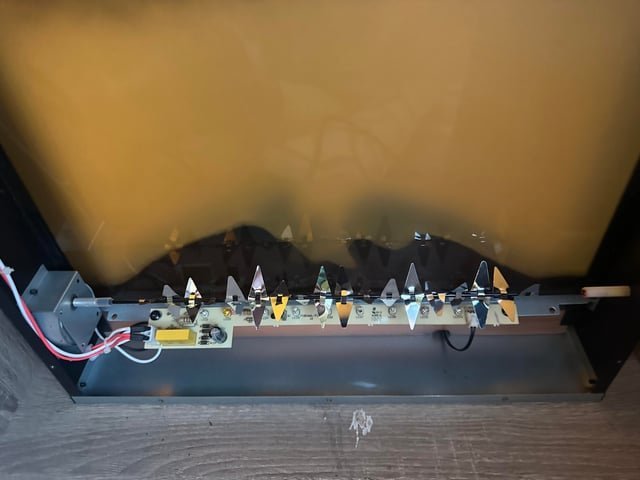
A blown fuse is a safety mechanism that cuts power to the lighting circuit if an electrical surge occurs. You can confirm this by checking the fuse holder, which is often located near the power cord entry point or on the back panel of the unit. If the thin wire inside the glass fuse tube is broken or the internal element looks burnt, the fuse has done its job to protect the system.
A fuse failure is usually a symptom of a deeper electrical issue, such as a short circuit or a failing component elsewhere in the fireplace. If you replace the fuse and it blows again immediately, don’t attempt to replace it a second time. This indicates a persistent fault that requires a qualified technician to diagnose. When replacing a fuse, you must use the exact amperage and voltage rating specified on the old fuse or the manufacturer’s label. Using a fuse with a higher rating is dangerous because it won’t trip if another surge occurs, potentially causing the wiring to overheat. This check assumes you have access to the exterior fuse panel; if your model doesn’t have an external fuse, the circuit is likely protected by an internal breaker that requires professional service. Always verify the rating against your specific model’s documentation before buying a replacement, as this varies by model.
The less likely causes
- Failed flicker motor: The small motor that rotates the flame effect may have seized, which is confirmed if the lights are on but the flame effect is perfectly still.
- Circuit board failure: If the lights, heater, and controls all fail to respond, the main control board may be damaged and requires a professional to test.
- Remote control issues: If the fireplace works via the manual buttons but not the remote, the remote’s batteries are likely dead or the internal sensor is blocked.
- Power supply interruption: A tripped wall breaker or a faulty wall outlet will prevent the entire unit from starting, which is easily checked by plugging a different appliance into the same socket.
What a fix usually involves
Fixing an electric fireplace light typically involves either a simple part replacement or a professional inspection. A minor fix, like changing a bulb or a fuse, requires only a screwdriver and the correct replacement part. These parts are usually inexpensive, costing a small fraction of the price of a new unit. You can find these at most hardware stores or through the manufacturer’s parts department. If the issue is a failed motor or a damaged circuit board, the cost increases significantly, often reaching a large portion of the price of a new fireplace. In these cases, you’ll need to pay for a professional technician to perform the work, as these repairs involve delicate electronic components that aren’t meant for end-user service. Before buying any parts, always check the model number on the back of your unit to ensure the components you purchase are fully compatible with your specific build.
Frequently asked questions
Can I replace the LED lights in my fireplace?
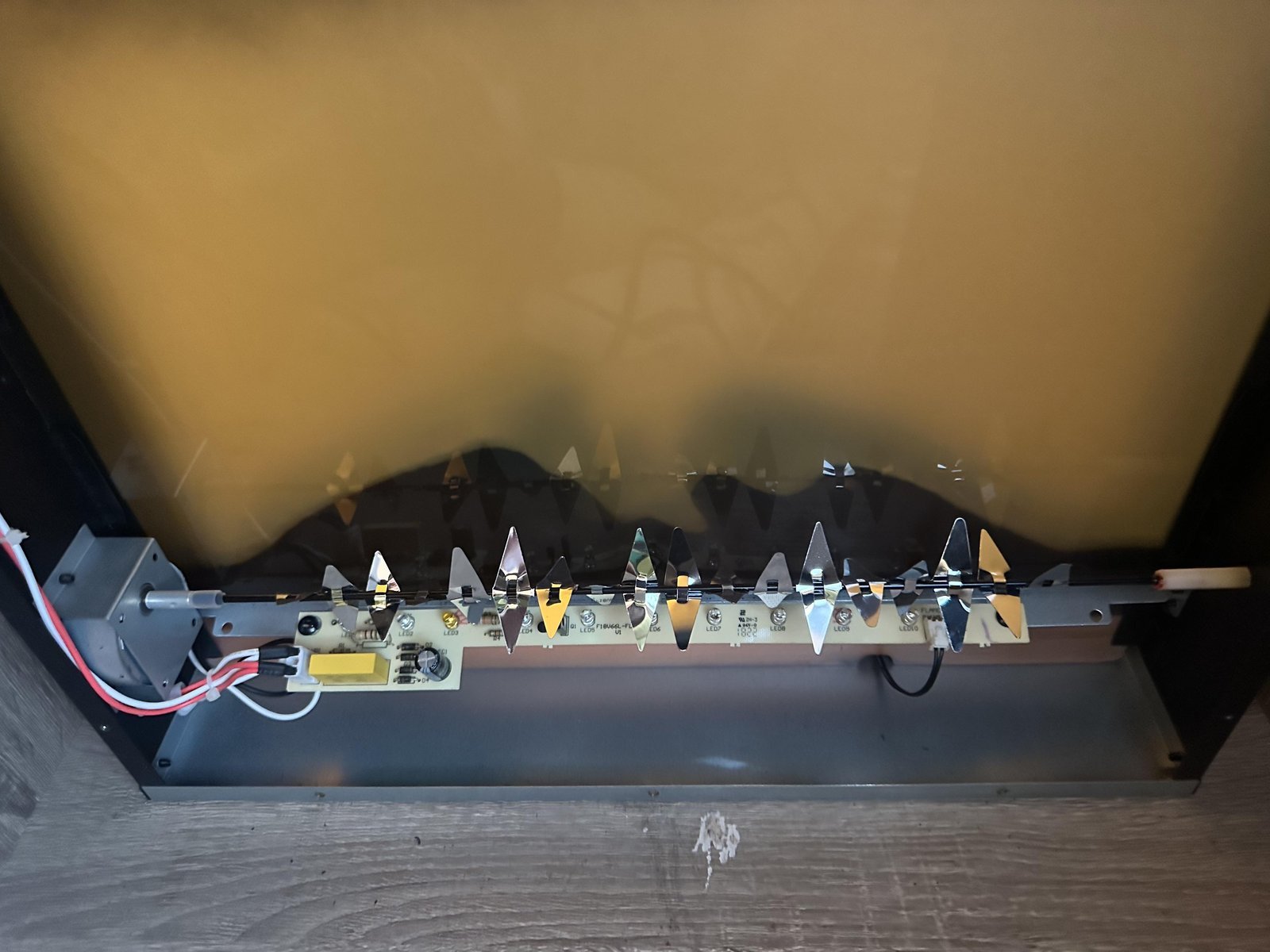
No, most LED light strips in electric fireplaces are integrated into the circuit board and can’t be replaced individually. If the LEDs fail, you must replace the entire light assembly or the main control board. Check your owner’s manual to see if your specific model uses a modular LED system or a fixed board, as this varies by model — check the label on the unit.
Why do my fireplace lights flicker?
Flickering is often caused by a loose wire connection or a bulb that isn’t screwed in tightly. Check that all internal connections are secure and that the bulb is properly seated in its socket. If the flickering continues after you have tightened these connections, the bulb filament may be failing or the circuit board may have a loose solder joint that requires professional repair.
Is it safe to use my fireplace if the lights are out?
Yes, it’s generally safe to use the heater function if only the lighting circuit has failed, provided there are no signs of burning or electrical shorts. Ensure the unit isn’t making strange buzzing sounds and that the power cord feels cool to the touch. If you smell plastic or see smoke, unplug the unit immediately and don’t use it until a professional inspects it.
How long do electric fireplace bulbs last?
About 2,000 to 5,000 hours of use is the typical lifespan for standard incandescent bulbs, while LED lights can last much longer. This lifespan depends heavily on how often you run the flame effect and whether the unit is kept in a clean, dust-free environment. If your unit is used daily for several hours, you should expect to replace standard bulbs regularly.
What happens if I use the wrong bulb?
Using a bulb with higher wattage than your fireplace is rated for can cause the plastic housing to melt or trigger a fire hazard. Always check the maximum wattage rating printed on the light socket or in the manual. If you can’t find the rating, don’t install any bulb until you contact the manufacturer to confirm the correct specifications for your unit.
Does it matter if the glass is dirty?
Yes, a build-up of dust and debris on the internal glass or reflector screen can make the lights appear dim or non-existent. Over time, dust settles on the flame effect components and blocks the light from projecting correctly. Clean the glass and the internal reflector with a soft, dry cloth as directed in your manual to see if this restores the expected brightness.
Final Thoughts
If you still can’t get the glow back after checking the bulbs and wires, don’t worry. It’s often best to reach out to the manufacturer’s customer support team for guidance. They’ll help you figure out if a part needs replacing so you can get back to enjoying your cozy room soon.
Related guides