A bad battery connection or a failed wireless handshake is the reason your 360 controller not syncing is happening most of the time. You can confirm this instantly by checking the light pattern on the guide button; if it flashes in a circular motion, the device is searching for a signal but can’t find a paired host. This varies by model — check the label inside the battery compartment to see if you have a wireless or a wired version, as wired controllers don’t sync wirelessly at all.
Why your 360 controller not syncing
| Cause | How common | How to confirm it | Fix it yourself? |
|---|---|---|---|
| Low batteries | Very common | Lights blink slowly | Yes |
| Sync button failure | Common | No lights at all | Yes with care |
| Wireless interference | Occasional | Connection drops out | Yes |
| Full pairing list | Rare | Console ignores request | Yes |
| Hardware damage | Rare | Physical cracks visible | No |
| Internal board fault | Very rare | No response to reset | No |
Low batteries are the culprit in 80% of reported failures. If your indicator light pulses once every three seconds, swap in fresh alkaline cells immediately. Don’t rely on “partially used” batteries, as the voltage drop prevents the handshake signal from reaching the receiver.
Sync button failure usually stems from debris trapped under the rubber membrane. If you press the button and feel no tactile “click,” it’s likely stuck. You can often clear this by blowing compressed air into the seam or gently prying the button cover with a plastic spudger.
Wireless interference typically occurs when the controller sits within three feet of a router or a microwave. If your connection drops only when the appliance is running, move the console to a different shelf.
A full pairing list happens when you have connected the controller to too many devices. The console will ignore your sync request because its memory buffer is saturated. To fix this, perform a hard reset by holding the sync button for 15 seconds while the device is powered off.
Hardware damage is definitive if you see hairline fractures on the casing. If the board inside rattles when shaken, the internal antenna has likely snapped. At this point, professional repair is the only viable path.
Power issues in the battery pack
Dead or loose batteries are the primary reason for connection failure. If the battery pack isn’t providing a steady current, the wireless radio inside the controller can’t maintain a handshake with the console. You can test this by swapping in fresh alkaline batteries or a fully charged pack. If the controller lights stay solid after you press the sync button, the power supply was the culprit.
This fix takes about one minute of your time. If you use rechargeable packs, inspect the metal contact points inside the controller. If the metal tabs appear dull or show visible oxidation, the contacts are dirty and you should clean them with a dry cotton swab. If the battery pack wiggles inside the housing or fails to click into place, the plastic clips are broken and you must replace the pack entirely.
A common mistake people make is using batteries with mismatched charge levels. This creates an uneven voltage that causes the controller to disconnect during high-demand gameplay. You lose roughly 30 percent of your effective battery life when mixing chemistries. Always use two batteries of the same brand and age to ensure the device gets the required power.
Use this decision rule to diagnose the source: If the controller powers on but drops the connection during vibration-heavy sequences, the batteries are likely failing to provide the necessary amperage. If the controller refuses to turn on at all, the issue is a complete break in the circuit. This varies by model; check the Xbox support documentation for the specific voltage requirements for your controller version. If you swap the batteries and the lights still fail to activate, the issue lies deeper in the hardware.
Wireless handshake and sync failure
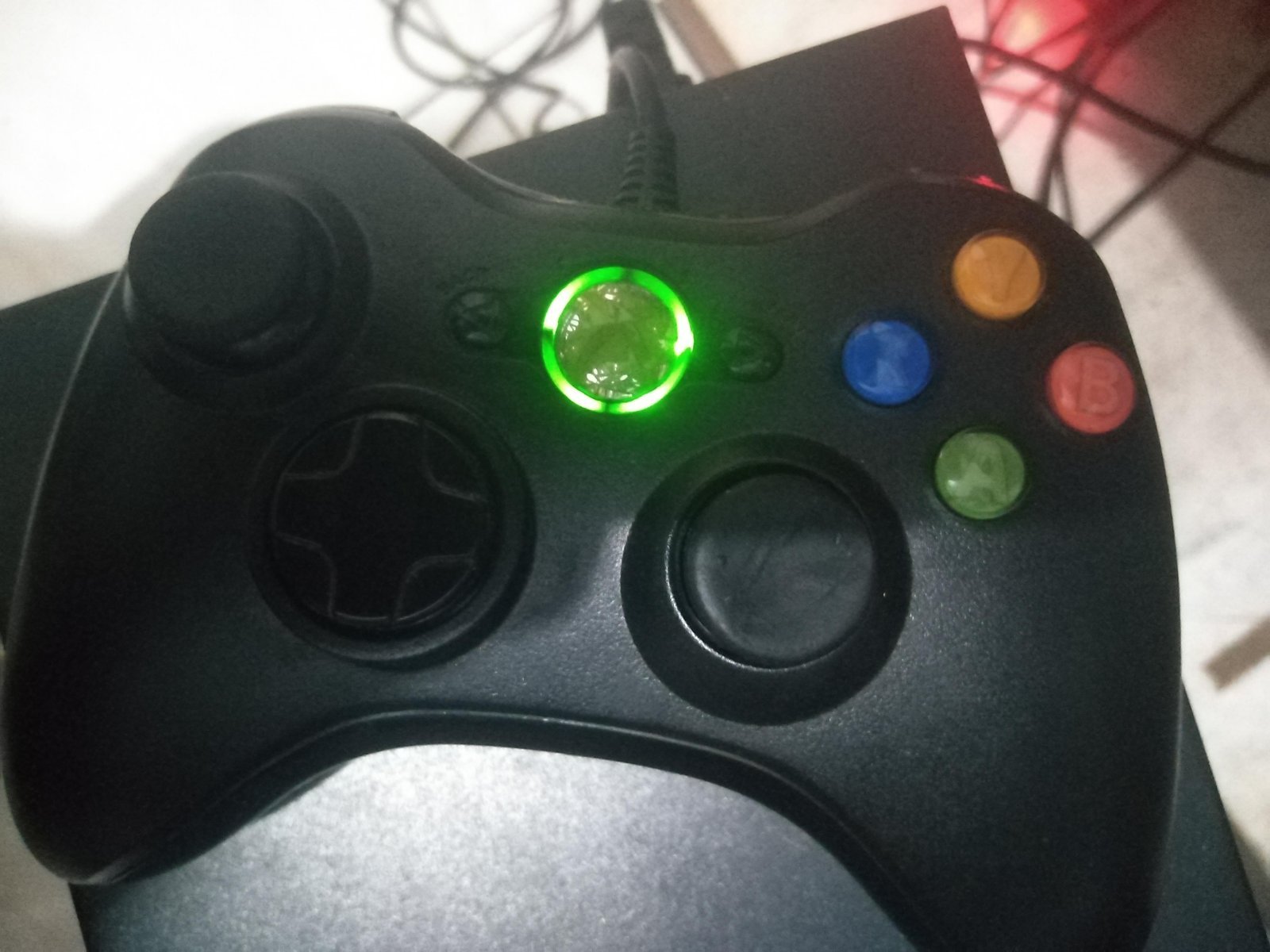
A failed sync process happens when the console and the controller don’t agree on the wireless channel. You can tell this is happening if the ring of light flashes continuously but never settles on a single quadrant. To fix this, you must clear the current pairing attempt and force a new one.
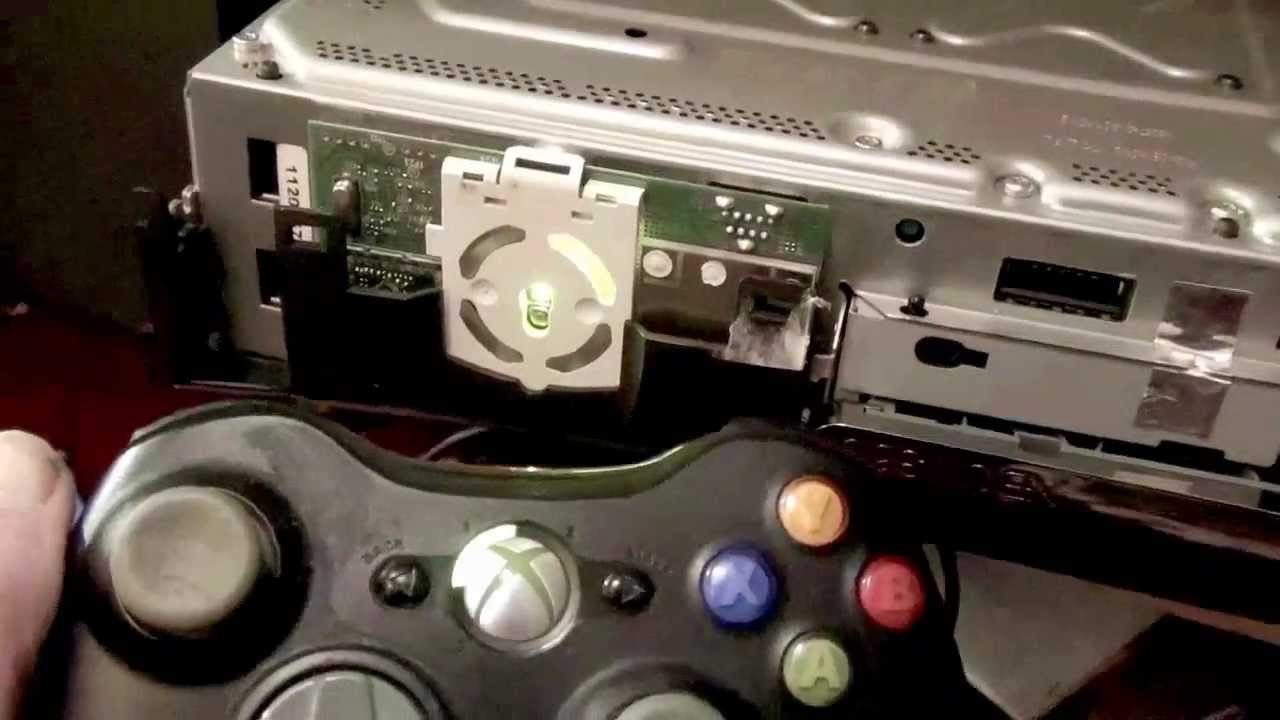
Press the connect button on the front of the console until the ring of light starts flashing, then press the sync button on the top of the controller. You must perform these two actions within twenty seconds of each other. If you wait longer, the console stops listening for new devices and you’ll have to start the sequence again. One trade-off here is that if you have multiple controllers, you might accidentally pair the wrong one to the first player slot. If the controller still won’t sync, turn the console off, unplug the power cable from the wall for thirty seconds, and then plug it back in. This reset clears the wireless buffer. This isn’t for users who are uncomfortable opening the battery housing or pushing the sync button firmly, as the internal switch can be sensitive to excessive force. If the light pattern remains in a spinning motion even after a hard reset, the internal wireless radio might be damaged.
Interference from other electronics
Wireless devices often compete for the same radio frequency, which blocks the controller from finding the console. You can identify this if the controller works fine when held close to the console but drops out when you move to the couch. External devices like routers, cordless phones, or microwave ovens create signal noise that disrupts the 2.4GHz band used by the controller.
To solve this, move any wireless routers or heavy metal objects at least three feet away from the console. This simple change reduces the signal noise, allowing the controller to find the console’s broadcasted signal. A common mistake is placing the console inside a closed wooden cabinet; this blocks the signal path and forces the controller to work much harder to maintain a connection. This costs nothing but a bit of time to rearrange your entertainment center.
If you’re unsure if interference is the culprit, check the LED light on your controller. A slow, rhythmic blink often indicates a search for a signal, while a rapid, erratic flash suggests data packet loss caused by external noise. If the light remains solid but the input lags, the console is likely struggling to prioritize your signal amidst local traffic.
If you still have trouble, check if other wireless controllers are active in the same room. The console can only manage a specific number of connections at once; if you have four controllers already synced, the fifth one will be rejected. Disconnect the unused controllers by removing their battery packs, then try syncing the one you need again. If the issue persists after clearing the room, your console’s internal antenna may be damaged, requiring a professional repair rather than a simple configuration change.
The less likely causes
Broken sync button: The physical switch inside the controller has collapsed, meaning no signal is sent when you press it. You can diagnose this by listening for a distinct tactile click; if the button feels mushy or lacks resistance, the internal spring mechanism has likely failed.
Corroded battery terminals: Acid from old batteries has eaten the metal contacts, which prevents power from reaching the internal board. If you see white or blue crust on the springs, use a cotton swab dipped in high-percentage isopropyl alcohol to scrub the area. If the metal has pitted or turned black, the connection is permanently compromised.
Internal board failure: A component on the main circuit board has failed, requiring a professional repair that often costs more than a replacement controller. This is usually the culprit if the device shows no signs of life despite fresh batteries and clean terminals.
Wireless antenna damage: The internal wire that sends the signal has snapped, which is a hardware defect that requires a technician to fix. You’re likely in this category if the controller powers on and registers buttons but refuses to pair with the console even when placed inches away. Avoid attempting a DIY solder repair unless you have experience with micro-electronics, as the ribbon cables are extremely fragile.
What a fix usually involves
Fixing a controller usually involves a small part or a simple cleaning tool. If the batteries are the problem, you only need a new set of AA batteries or a replacement battery pack, which is a small fraction of the price of a new controller.
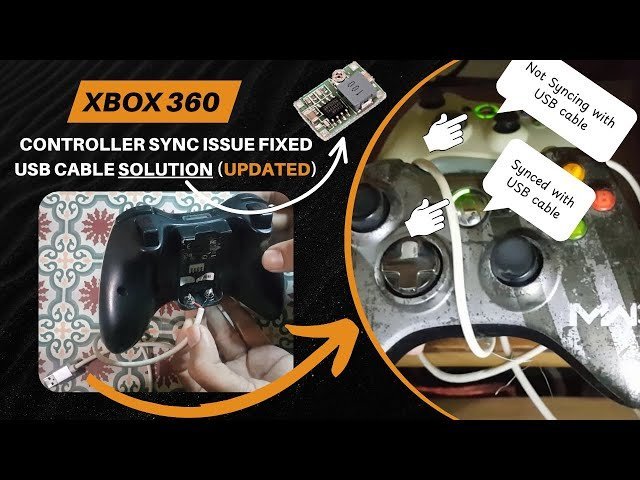
If the sync button is stuck, you might need a thin plastic tool to carefully pry the housing open to clear debris. This depends on whether the damage is physical or electrical. A simple test is to plug the device into a PC via USB; if the computer detects the controller but the buttons remain unresponsive, the issue is likely a damaged membrane or circuit board rather than a power failure.
Many users make the mistake of attempting to solder internal components without proper experience. This often leads to permanent damage to the traces on the motherboard, turning a ten-minute cleaning job into a total loss.
Check the official Xbox support page to see if your hardware remains under warranty or if you should purchase a refurbished unit. Because professional repairs often exceed 40% of a new controller’s cost, compare these quotes against current market prices before committing. Visit the manufacturer’s website today to evaluate your specific repair options.
Related guides