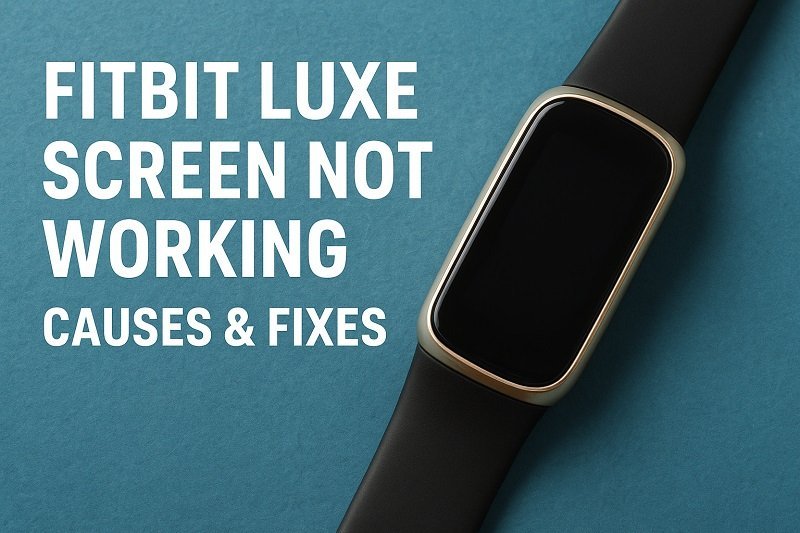
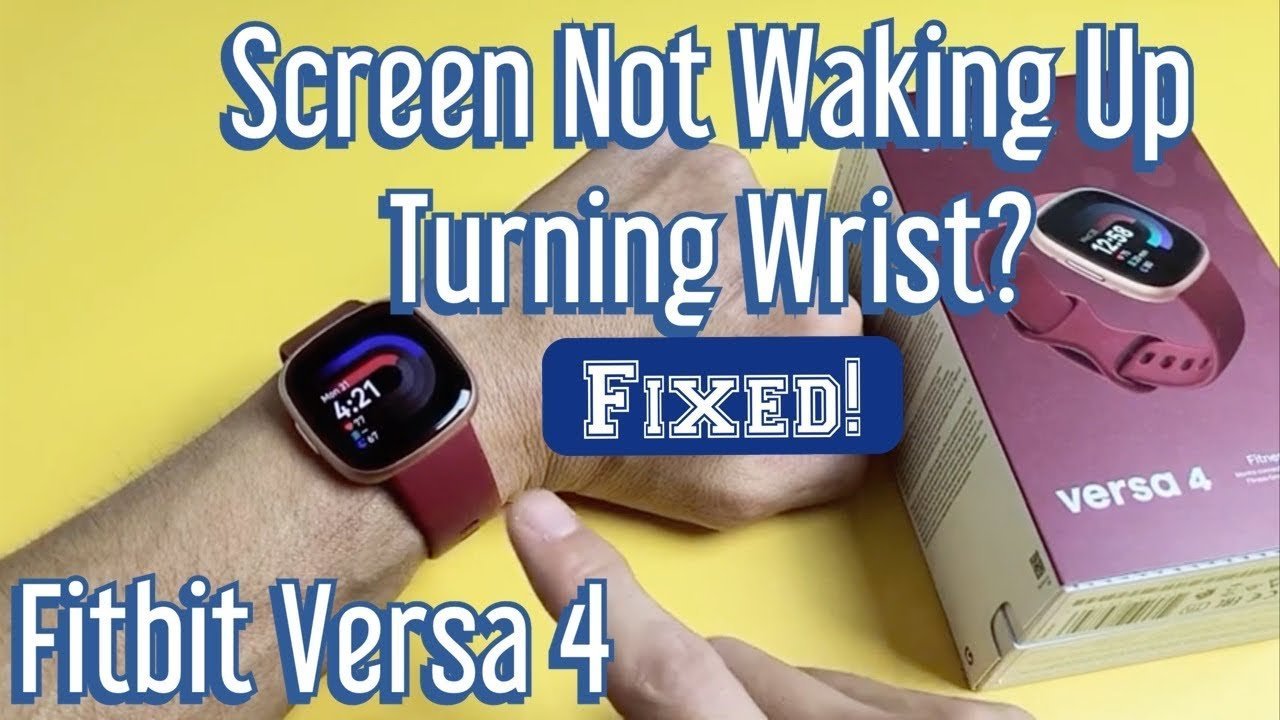
A dead battery or a frozen software process is why your fitbit versa 4 screen not working, and these issues account for the vast majority of cases. You can usually fix this by performing a forced restart or by ensuring the device is receiving a proper charge. If the screen remains black after these steps, the hardware may have reached the end of its functional life or suffered internal damage.
Why your Fitbit Versa 4 screen not working
| Cause | How common | How to confirm it | Fix it yourself? |
|---|---|---|---|
| Depleted battery | Very common | No lights while charging | Yes |
| Frozen software | Common | Device vibrates but blank | Yes |
| Dirty charging pins | Common | Charging icon not appearing | Yes |
| Damaged charging cable | Frequent | No connection to power | Yes |
| Internal water damage | Occasional | Fog under the glass | No |
| Hardware failure | Rare | No response after restart | No |
If your screen remains black after ten minutes on a charger, the battery is likely deeply discharged rather than dead. Leave it plugged in for at least one hour before attempting a forced restart.
Many users mistake a dirty charging port for a broken battery. Use a wooden toothpick to gently clear lint from the port. If you see metallic debris or bent pins, stop immediately to avoid a short circuit.
To distinguish between software crashes and hardware failure, perform a hard reset. For most smartphones, this requires holding the power and volume down buttons for fifteen seconds. If the device vibrates but the screen stays dark, the display panel itself has failed.
Water damage is deceptive. If you see fog under the lens or glass, don’t plug the device into power. Charging a wet device causes permanent corrosion on the logic board, turning a simple drying process into a total loss.
Power delivery and battery depletion
A total loss of power is the primary reason the display stays dark. When the battery level drops to zero, the device needs a specific period of time to accumulate enough energy to restart its internal systems. If you haven’t used the tracker for several weeks, the battery may enter a deep discharge state that requires a longer connection to power before it shows signs of life.
To confirm this, connect the device to its charging cable and plug it into a known working USB port. Observe the screen for at least 30 minutes. If the screen remains completely unresponsive, inspect the charging cable for fraying or bent pins. You should also check the gold contact points on the back of the tracker for any buildup of sweat or debris. If you see dirt, gently clean the contacts with a soft, dry cloth or a cotton swab dipped in a tiny amount of isopropyl alcohol.
This process assumes the charger is providing the correct voltage; for different power adapters, the charging time may vary, so always check the Fitbit device charging guidance on their official support site. If the device still doesn’t vibrate or show a battery icon after two hours, the battery itself might be faulty. If you have a second cable, try that to rule out a broken wire. If the device doesn’t show life after trying a different cable and a different power source, the hardware is likely beyond a simple fix.
Software freezing and system recovery
Sometimes the operating system crashes while the device is in sleep mode, making it look like the hardware is broken. This happens when a background process hangs or an update fails to complete. You can tell this is the cause if the device vibrates when you press the button or place it on the charger, but the screen stays black.
A forced restart is the standard way to clear a frozen state. Locate the button on the side of your tracker. Press and hold this button for about 10 to 12 seconds until you see the Fitbit logo appear on the screen. If you don’t see the logo after 12 seconds, release the button and try the process again, ensuring you’re holding it firmly and consistently. This action forces the processor to reset its memory and reload the firmware.
If X is a simple software glitch, this restart will resolve it; if Y is a deeper hardware failure, the device will remain unresponsive regardless of how many times you restart it. A common mistake is letting go of the button too early. If you stop pressing before the logo flashes, the device won’t complete the reboot sequence. This fix takes only a few minutes and requires no special tools. If the device vibrates but the screen remains dark even after three successful reboots, the display panel itself has likely failed, which isn’t a user-serviceable part.
Physical connection and port issues
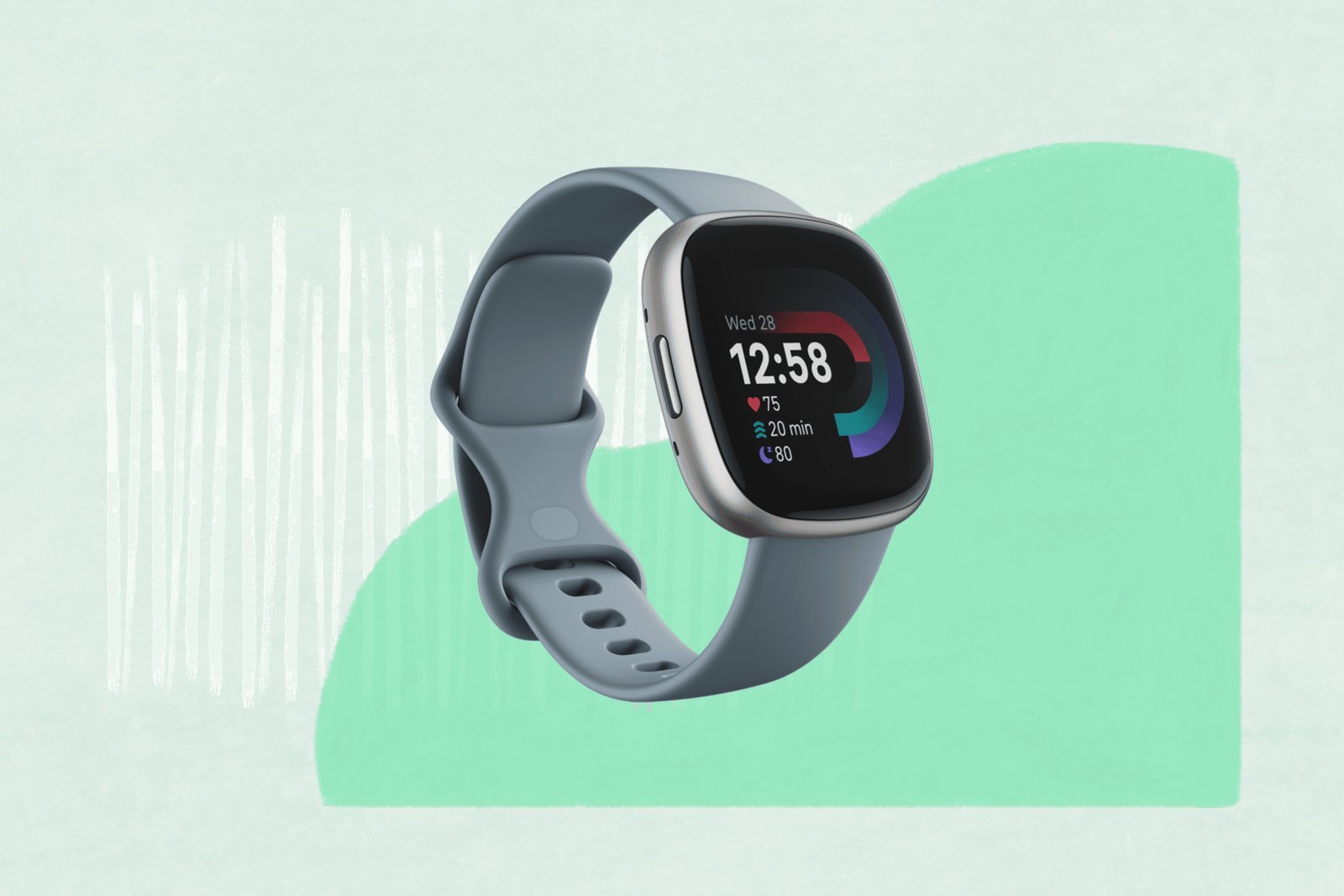
The connection between the charger and the watch is sensitive to debris and misalignment. Even a small amount of skin oil or dried soap can create an insulating layer that prevents power from flowing into the battery. This issue is distinct from a software crash because the device will show no signs of power at all—no vibrations and no logo—even when it’s connected to a power source.
To fix this, ensure the pins on the charging cable are spring-loaded and move freely. If a pin is stuck in a depressed position, it can’t make proper contact with the watch. Use a soft-bristled brush to clear any lint or dust from the charging port area on the watch casing. Always ensure the pins are perfectly aligned with the gold contacts before you walk away.
This assumes you’re using the original cable provided with the device; using third-party cables can lead to poor connectivity or, in some cases, damage to the internal battery. If you notice the device feels warm to the touch while charging, disconnect it immediately. This could indicate a short circuit. If the device doesn’t vibrate when you snap the charger onto the back, the issue is almost certainly the power delivery path. If the cable is clean and the pins are moving, but the device still stays dead, you have exhausted the home-repair options.
The less likely causes
Internal water damage often stems from compromised adhesive seals. If you notice a faint fog or persistent droplets beneath the glass, power the device down immediately. Continued use while moisture is present will cause rapid corrosion on the logic board, turning a simple seal repair into a total loss.
A severe drop can sever the internal ribbon cable connecting the display to the motherboard. This damage is deceptive because the exterior glass remains pristine. If your screen is black but the device vibrates or makes sounds, the cable is likely disconnected or torn.
Firmware corruption after a failed update requires a factory reset. However, if the screen is non-responsive, you must use a computer to force a restore via recovery mode.
Motherboard failure is rare but catastrophic. If the device is under warranty, don’t attempt DIY repairs. Opening the casing voids your coverage and makes professional restoration impossible.
What a fix usually involves
Fixing a screen issue involves either a software reset or a hardware replacement. Most of the time, the fix is free because it simply requires a clean cloth or a forced restart. If the charging cable is the culprit, buying a new one is a small part of the total cost of the device. However, if the screen or the battery has failed, you’re looking at a repair that often costs most of the price of a new unit.
Because of this, many people choose to replace the device rather than pay for a professional repair. You can get a real quote for a repair by visiting the official support page for your specific model and initiating a service request. Always check your warranty status first. If you’re within the coverage period, the manufacturer may replace a faulty device at no cost to you. If you’re outside the warranty, weigh the cost of a professional repair against the price of a current-model tracker.
Frequently asked questions
Can I fix a black screen by myself?
Yes, you can fix many black screen issues by performing a forced restart or cleaning the charging contacts. If these steps don’t work, it usually indicates a hardware failure that can’t be repaired at home. If the device is still under warranty, contact the manufacturer for a replacement rather than attempting to open the case yourself.
Why does my screen vibrate but stay black?
This indicates the device has power and the software is running, but the display panel isn’t receiving a signal or has failed. Try the forced restart process at least three times to rule out a temporary glitch. If the logo doesn’t appear after these attempts, the internal display hardware is likely damaged beyond repair.
How long should I charge it before giving up?
About two hours is the standard time to determine if the battery will accept a charge. If you see no icons or vibrations after two hours on a known working charger, the battery may be completely dead. Check the charging pins for debris and try a different wall outlet before concluding the device is broken.
Is it safe to use a third-party charger?
No, it isn’t recommended to use third-party chargers because they may not provide the correct voltage or current for your specific model. Using an uncertified cable can lead to slow charging, overheating, or permanent damage to the battery. Always use the original cable or one specifically verified by the manufacturer for your device.
What happens if I get water inside the screen?
If you see fog or droplets under the glass, it means the water-resistant seals have failed. You should stop using the device immediately to prevent a short circuit. Don’t try to heat the device to dry it out, as this can melt internal components. Contact the manufacturer to see if your device is eligible for a replacement.
Does the temperature affect the screen?
Yes, extreme heat or cold can cause the display to malfunction or appear frozen. If your tracker was left in a hot car or a very cold environment, bring it to room temperature for one hour before attempting a restart. Once it reaches a stable temperature, the display should return to normal if no internal damage occurred.
Final Thoughts
If your watch still won’t wake up, don’t worry. It’s a good idea to reach out to Fitbit’s support team through their website. They’ll check if your device is still under warranty or if you’re eligible for a replacement. Sometimes, a quick chat with an expert is all it takes to move forward.
Related guides