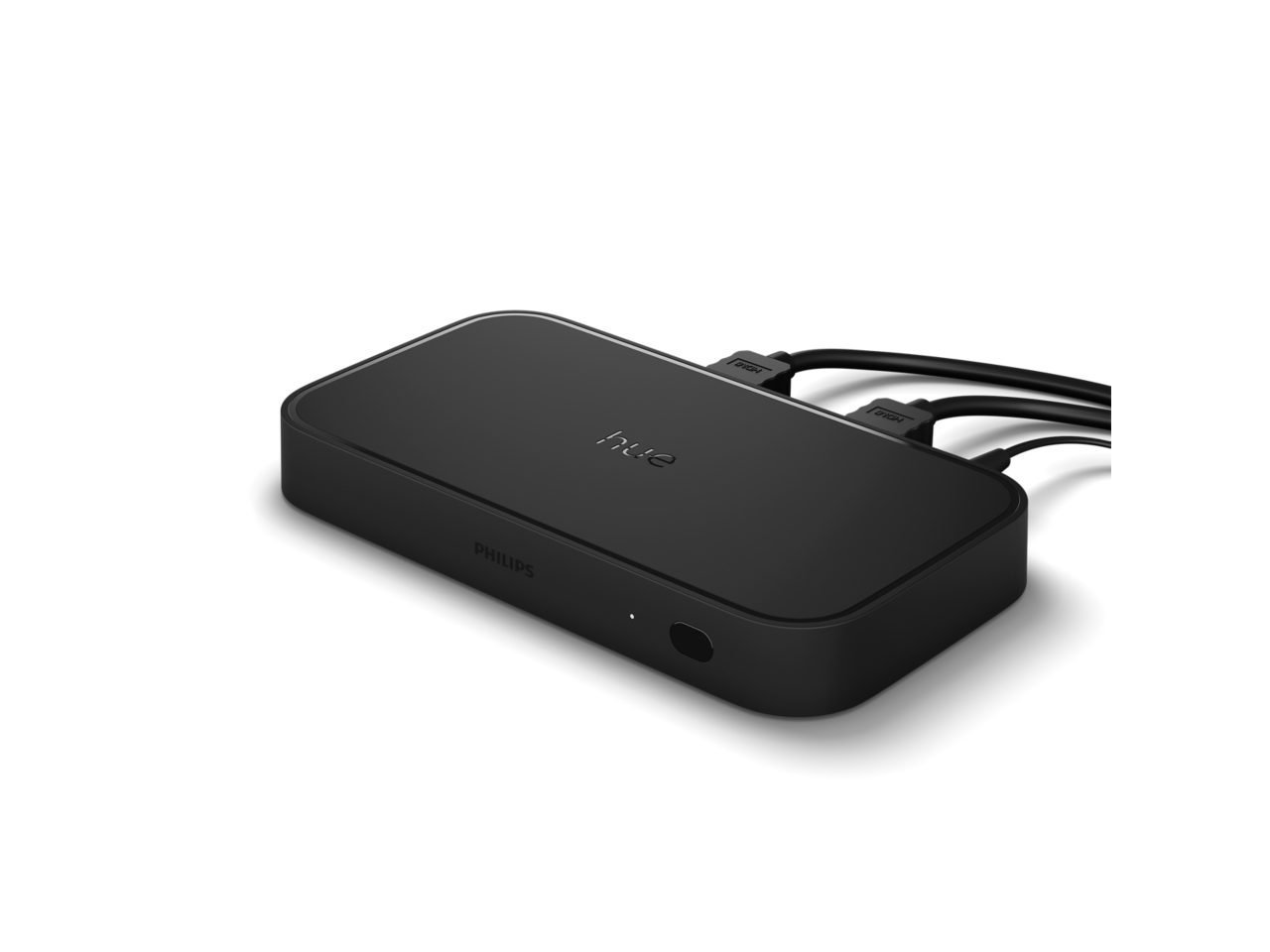
A loose HDMI connection or an incorrect input selection is the reason your hue sync box not syncing is occurring in the majority of setups. You can confirm this quickly by checking the physical cables at both ends and verifying the app shows the correct active input port. If the lights on the front of the device are dark or flashing, it often indicates a power or signal handshake failure that requires a simple reboot or a change in your HDMI settings.
Troubleshooting: Hue Sync Box Not Syncing
| Cause | How common | How to confirm it | Fix it yourself? |
|---|---|---|---|
| Loose HDMI cables | Very common | Wiggle cables at ports | Yes |
| Wrong input selected | Common | Check the app menu | Yes |
| HDCP handshake error | Common | Restart the sync box | Yes |
| Outdated firmware | Occasional | Check app settings menu | Yes |
| Unsupported video format | Occasional | Check source resolution | Yes |
| Damaged HDMI cable | Rare | Swap with known cable | Yes |
| Internal hardware fault | Very rare | Contact customer support | No |
Most users ignore the physical connection quality first. If you see intermittent flickering, your cable likely lacks the high-speed bandwidth required for 4K HDR signals. A cable rated for 18Gbps is the minimum standard here.
Distinguish between an HDCP error and a hardware fault by watching the light sequence on your sync box. A rapid red blink usually signals a handshake failure, which a power cycle resolves in under sixty seconds. If the light remains solid red or off entirely, the internal processor has likely failed.
Never assume a cable is functional just because it was expensive. If you have swapped the cable and the issue persists, check your source device’s output settings. Many consoles default to 1080p, which can trigger sync errors when forced into 4K modes. If the resolution is set correctly and the cable is secure, you’re likely dealing with a software conflict. Updating the firmware through the mobile app often patches these specific compatibility gaps.
Connection and signal issues
Loose or damaged cables are the primary culprits for signal drops. When the connection isn’t secure, the handshake between your playback device and the sync box fails, which stops the light synchronization. You can confirm this by unplugging each HDMI cable and pushing it firmly back into the port until you feel a physical click.
If the problem persists, check the cable quality. The sync box requires high-speed HDMI cables to handle 4K video data. You should ensure your setup aligns with the official Philips Hue support guidance regarding cable requirements. If you’re using a longer cable, over two meters, the signal strength often drops; try using a shorter, certified cable to see if the sync returns.
If you have a spare cable, perform a swap test. If the lights start working with a different cable, the original one is faulty. This is a common mistake; users often reuse old cables that lack the bandwidth for high-definition content. This costs you nothing if you have spare cables, but buying high-quality replacements can add up. If you’re using an HDMI splitter, remove it. The sync box doesn’t support splitters, and they often cause the very signal issues you’re trying to solve.
Input and software settings
Selecting the wrong input in the Hue Sync app prevents the box from reading the video signal. Open the app and confirm that the active input number matches the port where your playback device is plugged. If the app shows no signal, try switching the device to a different port on the back of the sync box.
The sync box handles input switching based on signal priority. If you have two devices active at once, the box might hold onto the signal from the first one. You can force a refresh by turning off your streaming device and then turning it back on. This resets the HDMI handshake, which often clears the error.
Check for firmware updates in the app settings. A pending update can cause bugs where the sync box refuses to process video data. If an update is available, install it while the box is connected to a stable power source. This takes about five to ten minutes. If the update fails, power cycle the box by unplugging the power cord for thirty seconds and plugging it back in. This variation depends on the model’s current software version — check the label or the app’s ‘About’ section to confirm your version. If you’re using an older TV, ensure the resolution is set to a standard 1080p or 4K, as some legacy formats confuse the processor.
Power and device logic
A frozen processor inside the sync box is a frequent cause of unresponsive behavior. When the device has been running for a long time, the internal memory can become cluttered, leading to a failure in processing light commands. You can verify this if the device shows a solid light on the front but doesn’t react to any app commands.
Perform a hard factory reset if standard reboots fail. To do this, hold the power button on the front of the box until the LED flashes white. This clears all temporary settings and restores the initial configuration. Note that this will erase your entertainment area setups, so you’ll need to re-link your lights in the app afterward. This isn’t for users who have complex, multi-room light configurations they aren’t ready to re-pair.
If the device remains unresponsive after a reset, check the power supply. The sync box requires the specific power adapter provided in the box. Using a third-party adapter with the wrong voltage will cause the device to enter a protection mode, preventing it from syncing correctly. If you have multiple Hue power bricks in your home, ensure you have the one labeled for the sync box. If the unit remains dead after checking the power, the issue is likely an internal hardware failure, and you should contact the manufacturer for a warranty claim rather than attempting to open the case.
The less likely causes
- HDMI port failure: If only one specific port fails to sync while others work, that physical port on the sync box is damaged.
- App synchronization lag: Sometimes the Hue Bridge loses connection to the sync box, requiring you to remove and re-add the box in the Hue app.
- Network interference: High traffic on your 2.4GHz Wi-Fi can delay commands, which is why a wired Ethernet connection to the Bridge is recommended.
- Overheating: If the box is placed in an enclosed cabinet, it may shut down or throttle performance to prevent heat damage to internal components.
- Account sync errors: If your Hue account isn’t properly authenticated, the sync feature may be disabled in the cloud settings.
What a fix usually involves
Fixing sync issues usually involves simple steps like tightening cables, restarting the device, or updating software. These tasks require no special tools, only your time and attention. If you need to replace a cable, a high-speed HDMI cable is a small part of your total entertainment budget. A firmware update is free but requires a stable internet connection.
If the problem is the device hardware, a warranty claim is the standard path. Check the official Philips Hue website to see if your device is still under the manufacturer’s warranty period. If it is, you’ll likely need to provide proof of purchase and the serial number found on the bottom of the unit. If the unit is out of warranty, the cost of a repair is often close to the price of a new unit, making replacement the more logical choice. Always check the official support portal before assuming the hardware is broken, as software resets solve the vast majority of cases.
Frequently asked questions
Can I use a long HDMI cable with the sync box?
No, long cables often cause signal loss that stops the sync box from working. For the best results, use a cable under two meters that’s certified for high-speed HDMI data. If you must use a longer cable, look for an “active” HDMI cable that boosts the signal, but keep in mind that the sync box functions best with the shortest cable possible.
Why do the lights stop syncing during a movie?
This usually happens because of a temporary HDMI handshake failure between your player and the sync box. If this occurs, try pausing the movie for five seconds or switching the input on your TV and back again. This forces the devices to re-establish their connection, which usually restores the synchronization without needing a full system reboot.
Is it safe to leave the sync box on all the time?
Yes, the sync box is designed to stay in standby mode when it isn’t in use. It consumes very little power in this state and doesn’t need to be unplugged daily. If you notice the device getting very warm, ensure it has enough airflow around the sides, as heat is the biggest threat to its long-term health.
What happens if I use a cheap HDMI splitter?
Your sync box will likely fail to sync because splitters often strip the HDCP copy protection signal that the box needs to function. The sync box is designed to sit directly between the playback device and the TV. If you have too many devices for the available ports, you should use a high-quality HDMI switcher that’s specifically rated for 4K and HDR.
How long does a factory reset take?
A factory reset takes about five minutes to complete from start to finish. Once you hold the button and the light flashes, the box will restart and clear its memory. You’ll then need to spend a few more minutes in the app to re-configure your entertainment areas and link your lights back to the specific ports you’re using.
Does the sync box work with all Hue lights?
No, the sync box only works with color-capable Hue lights that are assigned to an entertainment area in your app. White-only bulbs or older non-color models won’t react to the video signal. You can check which lights are compatible by opening your Hue app and trying to add them to a new entertainment area.
Final Thoughts
If these quick checks don’t get your lights moving again, it’s a good idea to reach out to Philips Hue support directly. They’ll help you determine if there’s a deeper hardware issue at play. Don’t worry—you’ll be back to enjoying your immersive entertainment setup in no time at all.
Related guides