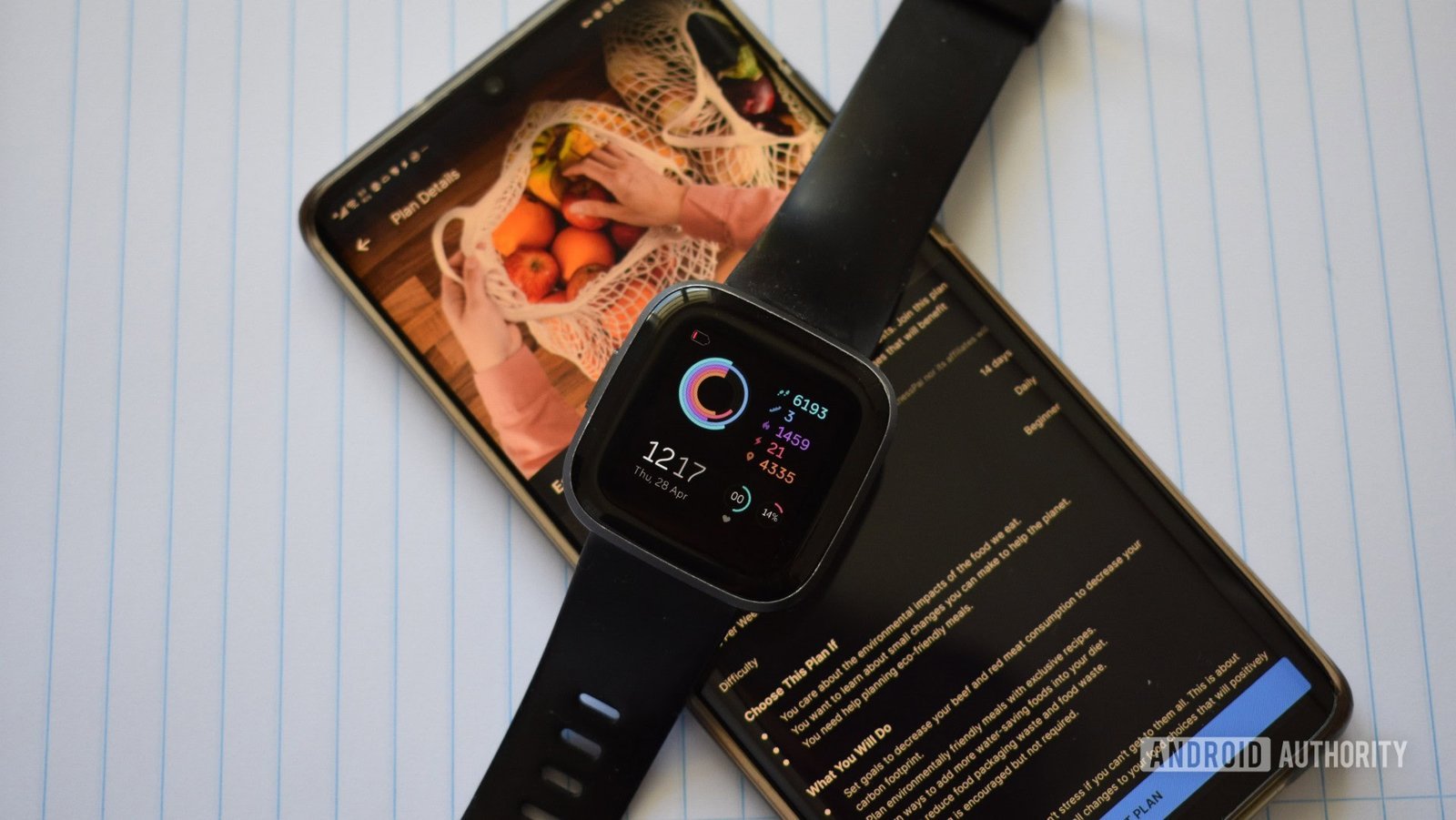
A simple restart of your mobile device and checking the app permissions usually fixes a 10000 steps app not syncing issue. Most of the time, the software just needs to refresh its connection to the phone’s internal sensors or the cloud server. You can confirm this by opening your phone’s settings menu to see if the fitness app has active permission to access your motion and fitness data. If the data is missing, the app can’t push your step count to your profile or dashboard.
Fixing 10000 steps app not syncing issues
| Cause | How common | How to confirm it | Fix it yourself? |
|---|---|---|---|
| Disabled permissions | Very common | Check app settings | Yes |
| Stalled background process | Common | Restart the phone | Yes |
| Outdated app version | Common | Check app store | Yes |
| Bluetooth connection lag | Occasional | Toggle Bluetooth off/on | Yes |
| Server maintenance | Rare | Check official status page | No |
| Account sync error | Rare | Log out and in | Yes |
Permissions often fail after major OS updates. If the app crashes on launch, check your privacy dashboard. If it lacks microphone or storage access, it will hang indefinitely.
Stalled processes usually stem from memory leaks. If your phone feels hot to the touch, a background loop is likely draining the battery. A hard reboot forces the device to restart, which may resolve temporary process errors.
Bluetooth lag is distinct from other errors. If the app freezes only while connected to external speakers, you’re dealing with a handshake conflict. Switch to wired headphones to test the theory.
Server maintenance is the only cause you can’t fix manually. Most users mistake a regional ISP outage for a server crash. Check your connection on a different network to confirm the source.
Permissions blocking sensor access
The most frequent reason for missing data is that the operating system has restricted the app’s ability to read your phone’s hardware. Modern mobile operating systems like Android and iOS require explicit user permission before an app can access your accelerometer or pedometer sensors. When this permission is revoked during an update or a system reset, the app remains open but records zero movement because it’s effectively blind to your activity.
To test this, navigate to your phone’s privacy or application management settings. Look for the specific fitness app in the list and verify that “Motion & Fitness” or “Physical Activity” is toggled to the “On” position. If the switch is off, toggle it back on and then force-close the app completely by swiping it away from your recent apps list. Once you reopen the app, wait about thirty seconds for it to poll the hardware sensors again.
This fix typically takes less than two minutes. If you’re using Apple’s Health support guide for data privacy, you’ll see that these settings are designed to prevent unauthorized tracking, which is why they sometimes reset without warning. This assumes you’re using a standard smartphone; if you’re using a tablet or a device without a built-in pedometer, you won’t see these options at all.
Background process failure
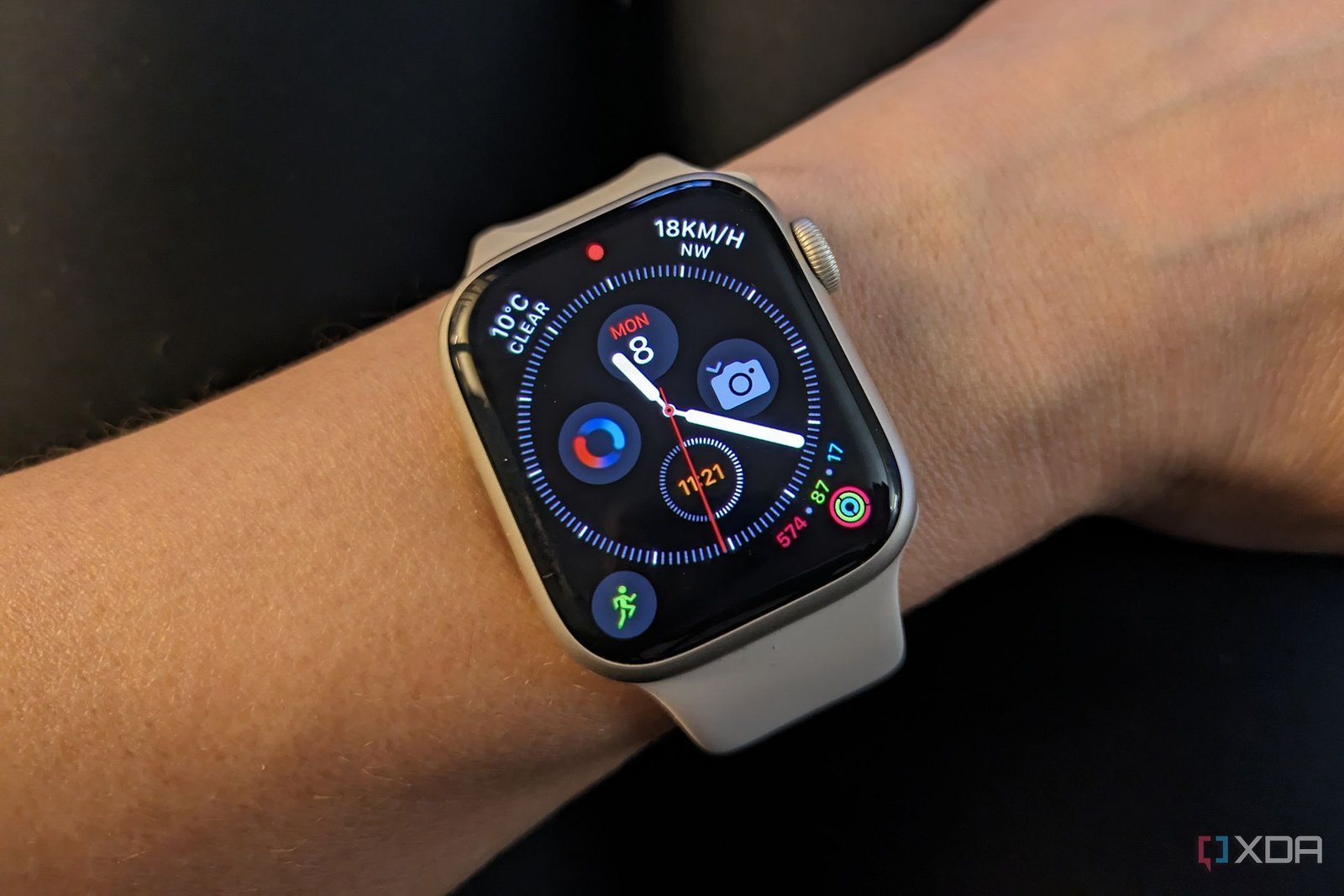
When the app is running but failing to push data to the cloud, the background process is likely stalled. This happens if the phone’s battery optimization settings put the app into a deep sleep mode to save power. If the app can’t wake up, it can’t send your daily step count to the server. You can tell this is the cause if the app shows steps on the main screen but they don’t match your online profile or leaderboard.
To resolve this, restart your phone entirely. A full power cycle clears the temporary cache and forces all background services to re-initialize their connection to the system services. If the issue persists, check your battery settings to ensure the app is set to “Unrestricted” or “High Performance” mode. This allows the app to run in the background even when you aren’t actively looking at the screen.
This fix takes about three minutes, assuming your phone restarts at standard speeds. If you have an older model with a slow processor, allow an extra minute for the system to boot and re-establish the network handshake. This isn’t for users who prefer to keep their phone in “Extreme Power Saving” mode, as that setting will always kill background activity regardless of your preferences. If the app still refuses to sync, the error is likely a server-side issue that you can’t fix.
Outdated software versions
An outdated app version often fails to communicate with the latest server protocols. Developers frequently update the API requirements to ensure data security, and an old version of the app will simply be ignored by the server. You can confirm this by visiting your app store and checking if an “Update” button is visible next to the app name. If you see it, the software is behind.
Updating the app takes between two and five minutes, depending on your internet connection speed. Once the update finishes, launch the app and manually pull down on the dashboard screen to trigger a forced sync. If you’re still seeing an error, try clearing the app’s cache through your phone’s storage settings.
One mistake people often make is deleting the app entirely before checking for updates. This can lead to the loss of local data that hasn’t yet synced to the cloud. Always try to update first, then log out and log back in, as this refreshes your authentication token without destroying your historical data. If you have a very old phone model, check the app store page to ensure your current operating system version is still supported; if your phone is too old, the app will no longer sync regardless of what you do.
The less likely causes
Bluetooth interference: Your tracker may be tethered to a secondary device, such as a tablet or laptop, which creates a “hidden” connection. If you have multiple devices nearby, disable Bluetooth on all but your primary phone to force a clean handshake.
Low storage space: Syncing requires a small buffer of free memory to process data packets. If your phone shows less than 500MB of available space, the app can’t stage these temporary files. Delete a large video or unused app to clear this bottleneck.
Incorrect date and time: Servers use time-stamped security tokens to verify data. Always keep your phone set to “Automatic” to ensure accurate network time.
Corrupt user profile: When your account metadata is corrupted, the app will fail to authenticate despite a correct password. If a logout and reinstall don’t resolve the issue, you must contact support to manually reset your server-side profile.
What a fix usually involves
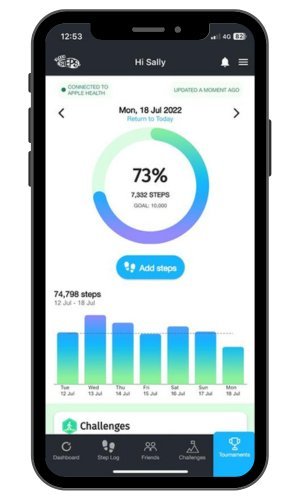
Fixing a sync issue usually involves checking settings, updating software, or restarting hardware. These tasks require only your time and a basic understanding of your device menu. If the problem is a server-side error, the fix involves waiting for the service provider to resolve their own technical issues, which is completely out of your hands.
If you suspect a hardware failure in your wearable tracker, the fix might involve a factory reset or replacing the battery. These actions are more involved and might require specific tools or a small part, such as a new battery or a charging cable. The cost of these fixes ranges from zero to a small part of the price of a new tracker. To get a real quote for repairs, check the manufacturer’s official support page for your specific model. Never pay for a third-party repair service until you have confirmed that the device is truly broken, as most sync issues are purely software-related and cost nothing to fix.
Frequently asked questions
Can I lose my steps if I restart the app?
No, you won’t lose your steps. Most fitness apps save your data locally on the phone’s storage before attempting to sync it to the cloud. As long as you don’t uninstall the app or clear its data storage, your step count will remain intact and should upload as soon as the connection is restored.
Why does my app sync only when I open it?
This happens because your phone is restricting background activity to save battery. If you want the app to sync constantly, you must go into your phone’s battery settings and set the fitness app to “Unrestricted” or “Allow background activity.” This allows the app to communicate with the server even when it’s minimized or your phone screen is locked.
Is it safe to reinstall the fitness app?
Yes, it’s generally safe, provided you know your login credentials. Before you delete the app, log into your account through a web browser to verify that your data is already backed up on their servers. If your data appears on the website, you can safely uninstall and reinstall the app to fix corrupted local files without losing your history.
How long should a sync take?
A normal sync should take less than ten seconds. If the progress bar hangs for longer than a minute, it’s a sign that the connection to the server is blocked or the server is down. Check your internet connection, try switching from Wi-Fi to mobile data, and then attempt the manual sync again.
Does it matter if I have a low battery?
Yes, it matters because most phones automatically disable background data syncing when the battery drops below a certain percentage. If your phone is in “Low Power Mode” or “Battery Saver,” the system will stop the app from syncing to preserve energy. Plug your phone into a charger and try the sync again to see if it resolves the issue.
Why was I refused a sync error fix by support?
Support teams often refuse to help if you’re using an unsupported or outdated operating system. If your phone is too old to run the current version of the app, they can’t provide a fix because the hardware/software combination is no longer compatible. Check the app’s official page to see the minimum system requirements for your device.
The most reliable way to maintain a steady sync is to keep your phone’s software updated and ensure the app has all requested permissions. If these steps don’t resolve the issue, check the official status page for your app to see if there’s a known service outage.
Related guides