The most common reason for an edge 840 not syncing is a lost Bluetooth connection between your device and the Garmin Connect app on your smartphone. In most cases, restarting both the device and the phone restores the connection instantly. If the sync still fails, check that your phone has an active internet connection and that the Garmin Connect app is running in the background. You can verify your current sync status by opening the app and looking for the green status circle at the top of the “My Day” view.
Why your Edge 840 not syncing
| Cause | How common | How to confirm it | Fix it yourself? |
|---|---|---|---|
| Bluetooth connection lost | Very common | App shows red icon | Yes |
| Phone internet offline | Common | Check browser page | Yes |
| App needs update | Occasional | Check app store | Yes |
| Device storage full | Occasional | Check device settings | Yes |
| Software glitch | Occasional | Device is frozen | Yes |
| Corrupt activity file | Rare | Sync error message | Yes with care |
| Hardware failure | Extremely rare | Contact support | No |
Most users assume a hardware failure when the sync icon turns red, but 90% of these cases are simple Bluetooth handshakes. If you see the red icon, toggle your phone’s Bluetooth off for ten seconds before restarting the app.
If your internet is the culprit, the app will often hang on a loading screen rather than showing an error. Test your connection by loading a high-resolution video in your browser. If that video buffers, your local network is the bottleneck.
A common mistake is ignoring “storage full” warnings. If your device has less than 500MB of free space, the app can’t create the temporary cache file required for a sync. Clear your cache or delete one unused app to resolve this instantly.
When dealing with a corrupt file, never force a manual sync repeatedly. This can create a feedback loop that crashes the app. Instead, delete the most recent activity file and force a restart. If the device remains frozen after a hard reset, you’re likely facing a hardware failure.
Connection state issues
Bluetooth interference is the primary driver of sync failures. When your device can’t talk to your phone, the data remains trapped on the unit. This often happens if you have recently updated your phone’s operating system or if another device has grabbed the Bluetooth signal.
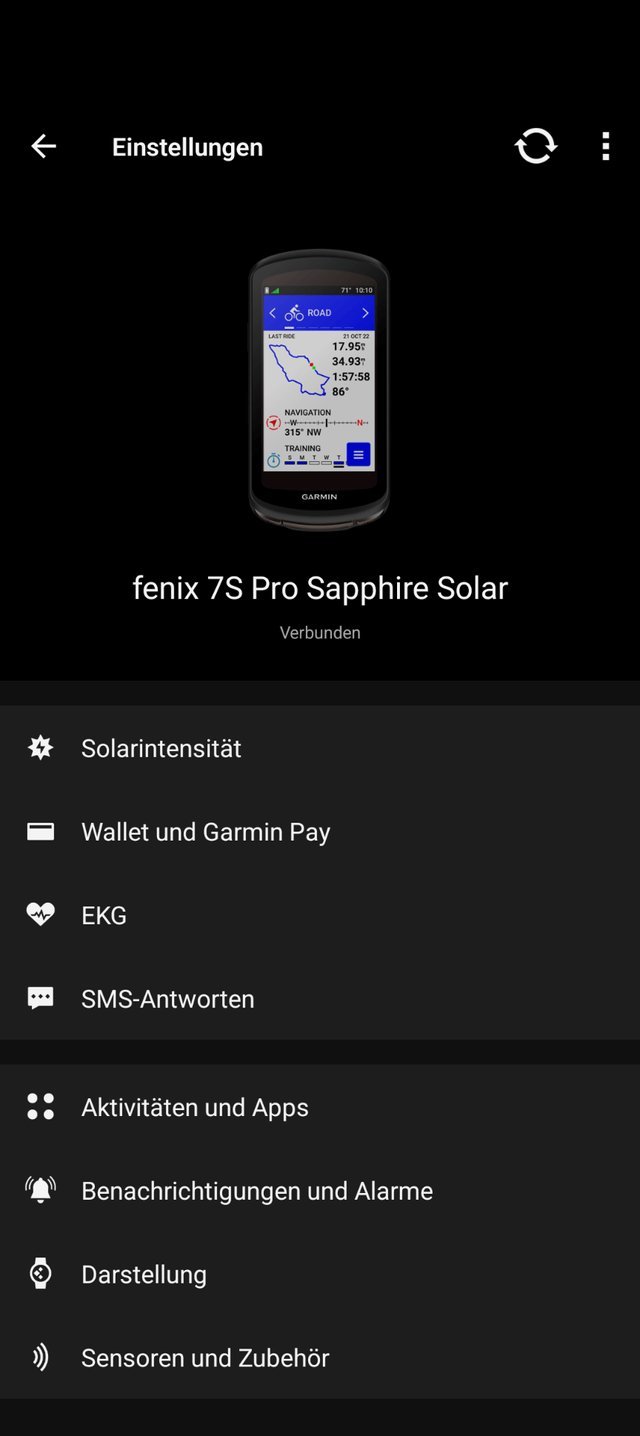
To test this, look at the top of your Garmin device screen. If the Bluetooth icon is missing or greyed out, the link is broken. First, toggle Bluetooth off and on in your phone’s settings. If that fails, go into the Garmin Connect app, select your device, and choose “Remove Device.” Then, put your Edge 840 into pairing mode by navigating to the Settings menu, selecting “Connected Features,” and then “Phone.” Follow the prompts to re-pair the unit. This process takes about three minutes.
If you have multiple phones in your house, ensure the Edge isn’t trying to connect to a different device. If X is the case, turn off Bluetooth on the secondary phone; if Y is the case, turn off the Edge and restart it. A mistake many users make is trying to pair the device through the phone’s general Bluetooth menu rather than the app. This creates a ghost connection that prevents the app from finding the device. You must always use the app to handle the pairing process to ensure the data handshake works correctly. This varies by model — check the label on your specific hardware revision for unique pairing instructions.
Network and storage limits
A sync requires a stable data connection to move your activity logs to the cloud. If your phone is on a weak Wi-Fi signal or has cellular data disabled for the Garmin app, the sync will stall at the “Uploading” stage. Check your phone’s data permissions to ensure Garmin Connect has access to your network.
Storage limits also play a role in sync reliability. If the internal memory of the Edge 840 is nearly full, the system may struggle to create the temporary files needed for a sync. You can view your current storage usage in the device settings under “System” and “About.” If you see less than 50 megabytes of free space, delete old activity files that you have already synced to free up room.
This isn’t for users who prefer to keep years of data on the device; if you need to keep your history local, you must offload it to a computer using a USB cable. You can find detailed instructions on how to manage your device storage and data transfer through the Garmin Support Center. A common mistake is assuming that a sync clears the device memory automatically. It does not. You must manually delete old files to prevent the device from becoming sluggish during the upload process. The time required for this cleanup is usually under five minutes, depending on how many files you need to clear.
Corrupt activity files
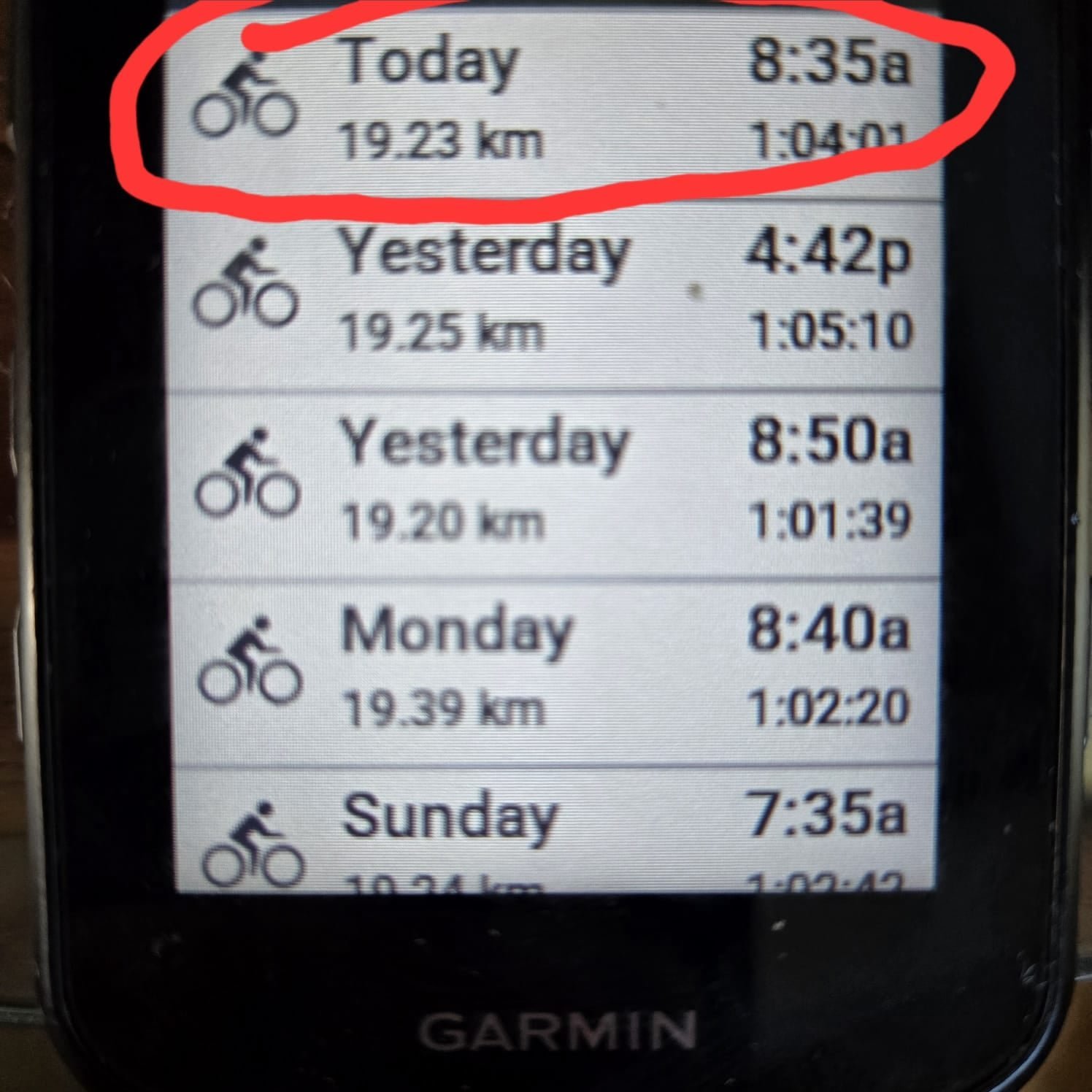
Sometimes a single bad file stops the entire sync process. This happens if the device loses power or the GPS signal drops abruptly during an activity, leaving the file structure incomplete. You’ll usually see an error code on the app screen when this occurs.
To identify a corrupt file, connect your Edge 840 to a computer using the provided USB cable. Open the device folder, navigate to the “Garmin” folder, and then find the “Activities” folder. Sort the files by date. If you see a file with a size of zero kilobytes, that’s your culprit. Move this file to your computer’s desktop or delete it entirely. Once the bad file is removed, disconnect the device and attempt a fresh sync.
This fix isn’t for those uncomfortable with file management. If you delete the wrong file, you’ll lose that activity data permanently. If the sync still fails after removing the zero-kilobyte file, the issue may be a deeper software bug. In that case, perform a soft reset by holding the power button for 10 seconds until the screen goes blank. This clears the temporary cache without erasing your user settings or personal records. The time this takes is roughly 30 seconds. If you’re still seeing errors, check the official manual for the specific reset sequence for your firmware version.
The less likely causes
Low battery: If the device has less than 10% charge, it may disable radio features to save power. Check your status icon; if it’s red, plug the device into a wall outlet rather than a computer port to ensure a steady current.
Outdated firmware: An old version might have bugs that prevent stable communication with newer app updates. If your app shows a “Sync Failed” error despite a strong connection, check the device settings menu for a pending update notification.
Background process limits: Power-saving modes on some Android phones kill the Garmin app before it finishes the sync. If your sync stops at exactly 50%, disable “Battery Optimization” for the Garmin app in your phone’s system settings.
Server outages: Occasionally, the Garmin cloud services go down. Check the official Garmin status page before troubleshooting your hardware.
App cache bloat: A corrupted cache prevents recognition. Reinstalling is the only fix.
What a fix usually involves
Most fixes for sync issues require only your time and a basic understanding of your smartphone settings. A simple restart of your hardware is free and takes less than two minutes. If you need to remove and re-pair the device, expect to spend about five minutes re-entering your preferences.
When the issue requires a deeper look, such as clearing files via a computer, you’ll need a standard micro-USB or USB-C cable. Most people already own a compatible cable, but if you have to buy a replacement, it’s a small part of the total cost of the device. If the hardware itself is faulty, the cost depends on your warranty status. You can check your warranty coverage by entering your serial number on the manufacturer’s official support page. If your device is out of warranty, you may need to pay for a repair or a replacement unit, which represents a significant portion of the price of a new one. Always get a written quote from official support channels before agreeing to any paid repair service.
Frequently asked questions
Can I sync my device using a computer?
Yes, you can sync your device using a computer by downloading the Garmin Express software. Connect your Edge 840 to your computer via a USB cable, and the program will automatically detect the device. This is often more reliable than a wireless sync if your phone is having Bluetooth issues or if the activity file is very large.
Why does my sync take so long?
About 10 minutes is normal for a sync if you have many large files or a slow internet connection. The sync speed depends on your Wi-Fi strength and the number of GPS track points in your recent rides. If the progress bar stays stuck for more than 15 minutes, force-close the app and restart the sync process.
Is it safe to delete old activity files?
Yes, it’s safe to delete old activity files once they have been successfully uploaded to the cloud. Your data is stored on the Garmin Connect servers, so you can view your history on the website or the app at any time. Just ensure you have verified that the data appears in your “Activities” list before deleting it locally.
What happens if I lose my phone connection mid-sync?
Nothing bad happens if the connection drops during a sync; the device simply pauses the upload. Once your Bluetooth connection is restored, the app will resume the sync from the exact point where it stopped. You don’t need to worry about losing your progress, as the app is designed to handle interrupted transfers without corrupting your data.
Does it matter if I have multiple devices paired?
No, it doesn’t matter if you have multiple devices paired to the same app, as long as they aren’t all active at once. The app manages each device separately and will prompt you to switch if it detects a different unit. However, having many devices can occasionally confuse the Bluetooth handshake, so keep only the current unit active.
How long should I wait before calling support?
About 30 minutes of troubleshooting is enough before you contact support. If you have restarted your phone, re-paired the device, and checked for corrupt files without success, the issue is likely beyond a simple user fix. Check the official support page for your model to see if there are any known service outages in your region before calling.
Final Thoughts
If these quick fixes don’t get your data moving, don’t worry. You should try removing the device from your phone’s Bluetooth settings and pairing it again from scratch. It’s a simple process that usually solves persistent issues, so you’ll be back to tracking your rides and hitting your goals in no time.
Related guides