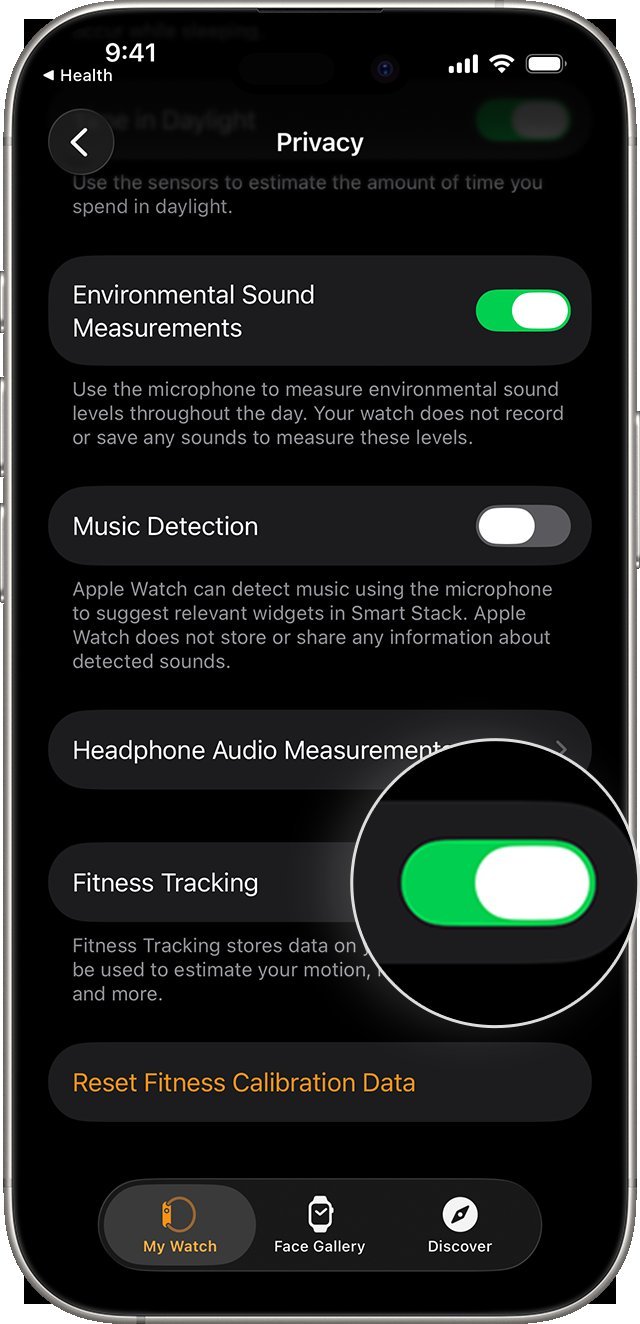
The most common reason for an ipad not syncing health data is a mismatch in iCloud settings between your devices. In most cases, this happens because the Health toggle is switched off in your iCloud account settings, which prevents the tablet from pulling information from your iPhone or Apple Watch.
Troubleshooting iPad not syncing health data
| Cause | How common | How to confirm it | Fix it yourself? |
|---|---|---|---|
| iCloud sync disabled | Very common | Check Settings toggle | Yes |
| Different Apple IDs | Common | Check Settings account | Yes |
| Outdated iOS version | Common | Check Software Update | Yes |
| Background refresh off | Occasional | Check General settings | Yes |
| Corrupt cache files | Rare | Check data counts | Yes with care |
| Hardware sensor failure | Very rare | Consult support | No |
Most users assume a hardware defect when syncing stalls, but the vast majority of cases stem from software misconfiguration. If your data counts remain at zero despite an active internet connection, you’re likely dealing with a server-side handshake error rather than a hardware failure.
To distinguish between a simple toggle issue and a corrupt cache, check your storage usage in Settings. If the app shows zero bytes of data despite showing files, the cache is corrupted. In this specific case, deleting the app and reinstalling is the only way to force a fresh directory rebuild.
Avoid the common mistake of force-restarting your device repeatedly; this drains battery and rarely clears corrupted sync tokens. If you have verified your Apple ID matches across all devices and the toggle remains blue, wait exactly fifteen minutes. If the sync status doesn’t update by then, move to a full software update.
Sync settings mismatch
When your devices don’t share a common iCloud configuration, the data remains trapped on the source device. This happens because the Health app requires an active iCloud account to bridge the gap between your iPhone and your tablet. The system doesn’t sync this data automatically if it detects a conflict or a disabled permission.
To confirm this is the problem, go to the Settings app on both devices. Tap your name at the top and select iCloud. Look for the “Show All” button under “Apps Using iCloud.” Flip the switch to enable it.
This process usually takes about two minutes to refresh the handshake between your devices. If you have a large amount of data, such as years of heart rate history or thousands of workout entries, it may take up to an hour to fully populate the app. Note that this assumes you’re using the same Apple ID on both devices; if you’re using different accounts, the sync will never initiate. You can verify your login status in the same iCloud menu. If you’re using different accounts, you must sign out and sign in with the same credentials to see your shared health metrics.
Account and software versioning
If your iCloud settings are correct, the next most likely culprit is a version mismatch. Apple frequently updates the Health framework, and if your iPhone is on a newer version of iOS than your tablet, the sync protocol may fail to recognize the data packets. You can verify your system status by visiting the Apple Support official system requirements page to see if your hardware supports the latest health features.
Check for updates by going to Settings, then General, and finally Software Update. If a pending update exists, install it immediately. A common mistake is updating one device but leaving the other on an older build, which prevents the two from speaking the same language. This costs you about fifteen minutes of downtime while the system installs the new files.
If you have verified that both devices are running the latest software and are signed into the same Apple ID, check your background app refresh settings. Go to Settings, General, and Background App Refresh. Ensure that both the Health app and the settings for your specific health-tracking apps are enabled. If this is off, the tablet can’t pull data while it’s locked or in your bag.
Cache and connection limits
Sometimes the sync process gets stuck due to a buildup of temporary files, which stops new data from being written to the database. This occurs more often if you have recently imported a large amount of third-party fitness data. You can test this by opening the Health app and looking at the “Summary” tab to see if the “Last Updated” timestamp is current. If the timestamp is several hours old even after you have walked or exercised, the connection is stalled.
To clear this, restart both devices. A simple power cycle forces the system to drop the current connection and initiate a fresh handshake with the iCloud servers. If the data still doesn’t appear, check your storage space. If your iPad has less than one gigabyte of free space, it may be unable to index the incoming health records. This varies by model — check the label or the “About” screen in your settings to see your capacity. If you’re near the limit, delete a few unused apps or photos to provide the system with the room it needs to process the incoming data.
This forces the device to re-index the database. This is a safe procedure that doesn’t delete your health data, as the master record is stored securely in your iCloud account.
The less likely causes
Network restrictions: Your router may have a firewall that blocks Apple’s sync servers; try switching to a different Wi-Fi network to test this. If the sync completes on a cellular connection or a guest network, your home router’s security settings are the culprit.
Low Power Mode: When the battery is low, your device restricts background sync to save energy. Ensure you have more than twenty percent battery, as the system automatically throttles background processes below this threshold. Plug the device in to bypass this limit entirely.
Restricted Content: If you have Screen Time restrictions enabled, verify that no settings are blocking the Health app or data sharing. Check the “Content & Privacy Restrictions” menu; if “Account Changes” is set to “Don’t Allow,” the sync process will fail silently.
Hardware defect: If your sensors are physically damaged, there’s no data to sync. Check your “All Recorded Data” list; if the list is empty despite daily activity, contact an authorized technician for a diagnostic.
What a fix usually involves
Fixing sync issues involves a combination of settings management and basic system maintenance. Most of the time, the solution requires no tools and costs nothing beyond your own time. If the issue is a software conflict, you may need to wait for a system update from the manufacturer, which is provided at no extra cost.
If you suspect a hardware failure, the cost is significantly higher. A diagnostic visit to an authorized service provider may be necessary, and if your device is out of warranty, the repair cost could be a large portion of the price of a new one. Before committing to a repair, check your coverage status on the official website by entering your device’s serial number. Always perform a full backup of your device before taking it in for service. If you’re unsure of a setting, you can find the exact steps for your specific version of the operating system in the official manufacturer documentation, which is updated with every release.
Frequently asked questions
Can I sync health data between different Apple IDs?
No, you can’t sync health data between different Apple IDs. The Health app is tied directly to the specific iCloud account logged into the device. If you use separate accounts for your iPhone and your tablet, the data will remain siloed on each device. You must use the same Apple ID on both to enable seamless syncing across your ecosystem.
How long does the initial sync take?
The initial sync usually takes between fifteen minutes and one hour. This depends entirely on the amount of historical data you have collected. If you’re syncing years of heart rate, sleep, and activity metrics, the process takes longer than if you’re only syncing recent steps. Ensure both devices remain connected to power and a stable Wi-Fi network during this period.
Is it safe to toggle the Health sync off?
This action doesn’t delete your existing health data from your iCloud account or your device. It simply disconnects the local app from the cloud database temporarily. When you toggle the switch back to the “On” position, the app will reconnect and re-index the data that already exists in your cloud storage.
Does it matter if I use cellular data for syncing?
If your tablet is a cellular model, it needs permission to use mobile data to sync when you aren’t on Wi-Fi.
What happens if I have no free storage space?
If you have no free storage space, the device can’t process or index new health data. The system requires a small amount of breathing room to manage database files. If you find your storage is full, delete unnecessary files or apps to free up at least one gigabyte. This allows the tablet to properly write the incoming data to the local drive.
Why is my sleep data missing from the iPad?
Sleep data missing from your tablet often indicates that the Health app hasn’t finished the sync process. Sleep tracking records are large files compared to simple step counts, so they take more time to transfer. Check the “Last Updated” timestamp in the Health app to confirm if the sync is still active or if it has stalled due to a network error.
Final Thoughts
If your data still won’t appear after checking these settings, try restarting both devices to refresh the connection. Sometimes a simple reboot is all it takes to get things talking again. If you’re still having trouble, don’t hesitate to contact Apple Support—they’ll be happy to help you get back on track.
Related guides