A faulty wheel speed sensor is the most common cause of a unicorn abs light blinking on your dashboard. You can safely continue driving your vehicle to a repair shop, but your anti-lock braking system won’t function during emergency stops. To confirm this, perform a visual inspection of the wheel hubs for damaged or disconnected wires, which you can complete in five minutes. If you see broken wires or heavy debris buildup near the sensor, you have found the source of the issue.
Why your unicorn abs light blinking is happening
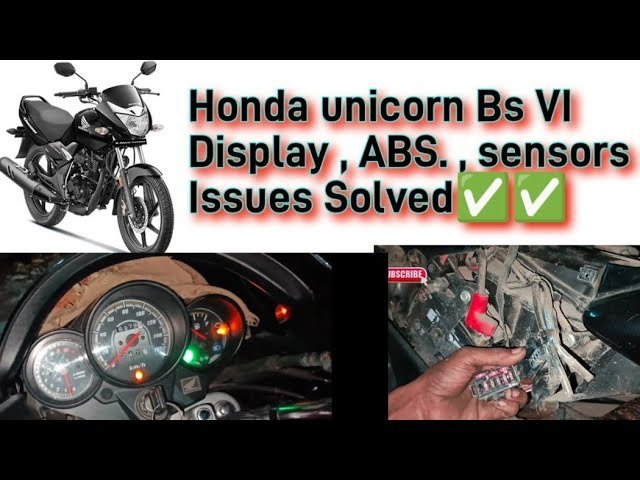
If the light blinks only during hard braking, road grime has likely obscured the magnetic pickup. Use a non-residue electronic cleaner to clear the sensor face; don’t use a wire brush, as scratching the casing ruins the sensor.
If the light stays on constantly, the circuit is open. A common mistake is replacing the sensor before testing the harness. Use a multimeter to check for continuity from the plug to the main chassis harness. If you see infinite resistance (OL) on your multimeter, the wire is internally broken or frayed.
When the light flickers specifically in wet conditions, the rubber boot protecting the connector has failed. If you ignore this, corrosion will permanently fuse the pins. Apply dielectric grease to displace moisture and create a waterproof seal.
Finally, if the light triggers only above 50 mph, your wheel bearing has developed significant play. Grab the tire at the twelve and six o’clock positions and push inward. Any audible click indicates a failing hub assembly.
Failed wheel speed sensor signal
The unicorn abs light blinking is almost always the result of a wheel speed sensor failing to send a clear signal to the car’s computer. This sensor sits near each wheel and tracks how fast the tire is spinning. If the computer stops getting data from one of these sensors, it disables the anti-lock system for safety because it can’t calculate the correct brake pressure for that wheel.
You can verify this by checking the sensor wiring at each wheel. Turn your steering wheel fully to one side to get a better view of the inner wheel well. Use a flashlight to look for any wires that look frayed, melted, or disconnected from the sensor housing. If you see deep cuts in the insulation or wires hanging loose, the sensor has lost its connection.
Replacing a damaged sensor is a standard repair, but it varies by model — check the label on the sensor housing for the exact part number. If you find a clean, connected wire but the light persists, the internal sensor coil has likely failed due to age. This is a common failure point; according to the National Highway Traffic Safety Administration’s vehicle safety guidance, a malfunctioning ABS light means your vehicle’s computer has detected a fault, but your base hydraulic brakes will continue to work normally. A professional technician must use a diagnostic scanner to identify which of the four wheels is reporting the bad signal.
Low system voltage issues
A blinking light often indicates that the vehicle’s electrical system isn’t providing enough power to the ABS control module. The ABS system requires a very steady flow of electricity to operate its internal pumps and valves. If your battery is old or your alternator is struggling to maintain a steady charge, the voltage can dip just enough to trigger a warning light.
Check your battery terminals for white or blue crusty buildup. If the connections are loose or corroded, the electrical current can’t reach the sensors effectively. Use a wire brush to scrub the terminals until the metal is shiny, then tighten the clamps firmly. If the light stops blinking after you clean the battery, you have fixed the problem.
This cause is different from a sensor failure because a battery issue often affects other systems too. You might notice your interior lights dimming when you start the engine or hear the starter motor sounding slow or sluggish. If the light only blinks when you use high-power accessories like your headlights or air conditioning, the problem is definitely the battery or alternator. If you see the battery light illuminate alongside the ABS light, stop driving immediately, as your car is running on the battery alone and will soon shut down.
Debris or metallic buildup
Road grime, metallic brake dust, or mud can block the sensor’s view of the wheel’s rotation. These sensors are magnetic, so they naturally attract tiny metal shavings from the road or the brake rotors themselves. When enough of this material builds up on the sensor tip, the magnetic pulse becomes too weak for the computer to read.
You can identify this by inspecting the sensor head for a thick coating of black or metallic sludge. If you see a buildup, wipe the sensor tip clean with a dry, lint-free cloth. Don’t use chemical cleaners or harsh solvents, as these can damage the plastic housing. If the light stops blinking after you clean the area, the fix was a simple maintenance task.
This is distinct from the other causes because it’s purely physical. If you often drive on dirt roads or through deep puddles, this buildup happens much faster than on highway vehicles. If you clean the sensor and the light returns within a few days, the seal around the sensor is likely failing and letting water inside. In this case, you’ll need to replace the entire sensor unit to stop the contamination from reaching the electrical contacts.
When to stop and get help
Pedal feels spongy: If your brake pedal sinks to the floor or feels soft when you press it, the hydraulic system is leaking. Air in the lines or a failed master cylinder makes this an immediate stop. Don’t pump the pedal to “fix” it; you risk a total loss of pressure.
Grinding noises: If you hear metal-on-metal scraping while braking, your brake pads are worn down to the backing plate. This indicates the friction material is gone. Continuing to drive will gouge your rotors, turning a simple pad replacement into a much more expensive rotor job.
Burning smell: A sharp, chemical odor from the wheels indicates a seized brake caliper. This friction generates extreme heat that can boil your brake fluid or melt nearby rubber hoses. If you touch the wheel rim and it’s hot to the touch, don’t drive another mile.
Steering vibration: If the car pulls to one side while braking, the force is uneven. This often points to a collapsed brake hose or a stuck piston.
If you notice these symptoms, don’t attempt to drive. These issues require specialized tools like a hydraulic brake bleeder or professional-grade scanners. Contact a certified mechanic to have the vehicle towed to a repair shop.
Frequently asked questions
Can I drive with the abs light on?
Yes, you can continue to drive, but you should treat your vehicle as if it lacks anti-lock brakes. You must apply steady, firm pressure to the brake pedal during an emergency stop rather than pumping it. Your normal hydraulic brakes will still function, but the wheels may lock up on slippery roads. Have the system inspected soon.
Is it safe to fix the sensor myself?
It’s safe to perform a visual inspection or clean the sensor, but replacing a faulty unit can be complex. You may need to remove the wheel, the brake caliper, or the brake rotor to reach the sensor mounting bolt. If you aren’t comfortable working with brake components or don’t have the proper tools to lift the vehicle safely, you should hire a professional mechanic to perform the repair.
How long does an abs sensor last?
There’s no fixed lifespan for a sensor, as it depends on your driving habits and local road conditions. Sensors on vehicles driven in areas with heavy rain, snow, or road salt often fail sooner because the harsh environment corrodes the wiring. Check your vehicle’s owner manual for any specific maintenance schedules or component life estimates provided by the manufacturer. Most sensors are designed to last for the life of the vehicle.
What happens if I ignore the blinking light?
If you ignore the light, your ABS system remains disabled, and you lose the ability to steer while braking hard on slippery surfaces. The light will continue to blink or stay on, which may prevent you from passing a vehicle safety inspection in many regions. Furthermore, if you ignore a sensor issue, it can eventually lead to a total failure of the ABS control module, which is a much more expensive repair.
Does it matter which wheel sensor is bad?
Yes, the computer needs data from all four wheels to function correctly. If even one sensor is faulty, the entire anti-lock system shuts down for safety. A technician must use an OBD-II diagnostic scanner to read the specific fault code, which tells them exactly which wheel is reporting the error. You can’t guess which sensor is broken just by looking at the dashboard light.
Is the blinking light a sign of a bad computer?
No, the light blinking is rarely caused by the computer itself. It’s almost always a sign of a sensor, wiring, or power issue that the computer has successfully detected. Modern vehicle computers are very robust and rarely fail. You should investigate the sensors, the wiring, and the battery voltage before you consider the possibility of a damaged control module, as those other components are much more likely to be the problem.
Final Thoughts
If you aren’t comfortable performing these repairs yourself, it’s best to schedule an appointment with a trusted mechanic as soon as possible. They’ll have the right tools to clear the error code once the sensor is fixed. Don’t wait too long, as you’ll want your safety systems working perfectly again.
Related guides