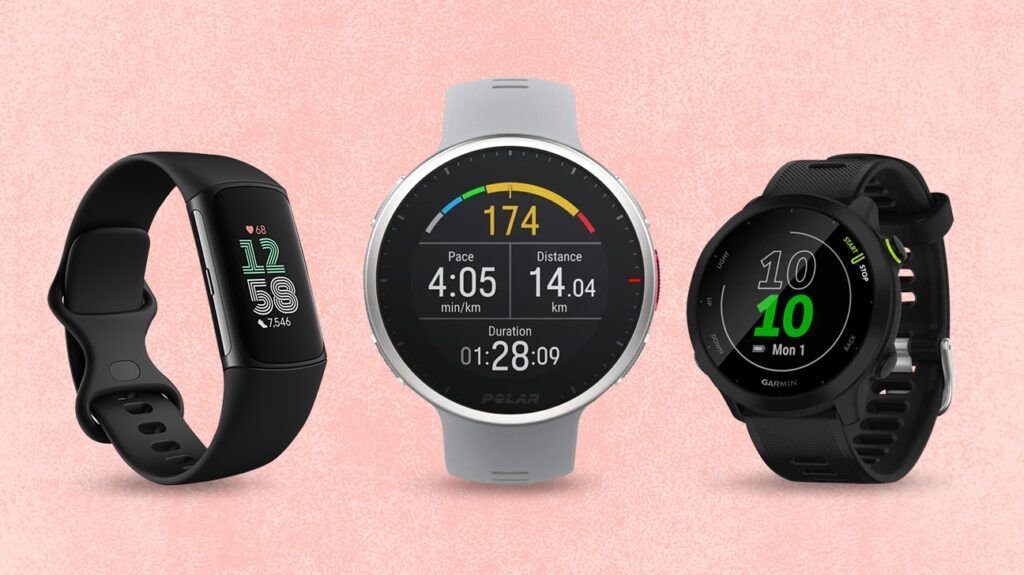
A dirty or loose sensor is the most common reason you have a fitbit not tracking heart rate during your daily activities. In most cases, a simple cleaning of the back of the device or adjusting how tightly you wear the strap will fix the issue immediately. You can verify this by checking if the green lights on the back of the tracker are flashing; if they’re off, the device isn’t making enough contact with your skin to take a reading.
Fixing a Fitbit not tracking heart rate
| Cause | How common | How to confirm it | Fix it yourself? |
|---|---|---|---|
| Dirty sensor | Very often | Look for residue | Yes |
| Loose strap | Often | Slide under strap | Yes |
| Software glitch | Often | Check app sync | Yes |
| Low battery | Sometimes | Check battery icon | Yes |
| Skin tone or ink | Rare | Move to other arm | Yes |
| Hardware failure | Rarely | Contact support | No |
A dirty sensor is the primary culprit. Oils and dead skin cells create a physical barrier that prevents light from reaching your capillaries. Wipe the sensor with a soft, lint-free cloth dampened with 70% isopropyl alcohol. If you see persistent cloudiness, use a dry cotton swab to gently buff the glass surface.
For a loose strap, the device must maintain constant contact with your skin. If you can slide more than one finger between the band and your wrist, the sensor will lose its lock during movement. Tighten it by one notch before starting a workout.
Software glitches often stem from outdated firmware. If the app shows a “syncing” error, force-close the application and restart your phone. This clears the cache and restores the data handshake.
If you have dark tattoos on your wrist, the ink pigments absorb the green light emitted by the sensor. This mimics a lack of pulse. If moving the device to your other, ink-free arm solves the issue, the hardware is fine; the optics simply can’t penetrate the pigment.
Cleaning the sensor area
Accumulated sweat, lotion, or dead skin cells block the optical sensor from reading your pulse correctly. When this layer of grime builds up, the light can’t reach your skin or bounce back to the sensor. You should clean the back of your tracker every time you finish a workout or if you notice the device feels sticky.
Use a non-abrasive, lint-free cloth dampened with a small amount of water or a gentle, soap-free cleanser. If you use a harsh chemical or alcohol, you risk damaging the protective glass over the lens. Many users mistakenly reach for glass cleaner or rubbing alcohol to remove stubborn residue. These chemicals strip the protective coating off the sensor housing, leading to permanent fogging or cracks that render the heart rate monitor useless.
After cleaning, dry the area thoroughly with a clean cloth before putting the device back on your wrist. This process takes about two minutes and costs nothing if you have a soft cloth at home.
If the green lights still don’t blink after cleaning, check your fit. If the band is too loose, the sensor can’t maintain skin contact. If the device is tight and the lights remain dark, the issue is a deeper hardware fault.
Adjusting the strap fit
The heart rate sensor requires constant, firm contact with your skin to function accurately. If your strap is too loose, the gap between the sensor and your wrist prevents the light from tracking your pulse. You should wear your band about one finger-width above your wrist bone.
During high-intensity exercise, tighten the strap slightly so it stays in place without restricting blood flow. If the band is too tight, it will cause discomfort and may actually block blood flow, which leads to inaccurate readings.
You can confirm the fit by trying to slide your finger between the band and your skin; if it moves too easily, it’s too loose. If the sensor digs into your skin and leaves a deep mark, it’s too tight.
A common mistake is wearing the device too low on the wrist joint. This causes the sensor to lift whenever you flex your hand, creating gaps that ruin data accuracy. If you notice your heart rate data drops to zero during a workout, shift the band higher up your forearm.
The decision rule is simple: if you can rotate the band around your wrist without lifting it, tighten the buckle one notch. If you can’t fit a pinky finger between the strap and your skin, loosen it immediately to prevent circulation issues. This adjustment varies by model — check the label or the official Fitbit wear and care guide to see the recommended tightness for your specific device.
Resolving software errors
A frozen or glitchy internal process often stops the heart rate monitor from activating even when the hardware is clean. You can usually tell if this is the cause because the device might still track steps but show no heart rate data at all. Perform a restart to refresh the operating system. For most models, you hold the side button for 10 to 15 seconds until the logo appears on the screen. If your model doesn’t have a button, plug it into the charging cable and hold the button on the cable or the device for the same amount of time. This takes about one minute to complete and deletes no data from your account. If the device remains unresponsive after a restart, ensure your firmware is updated through the mobile app. This is who this is NOT for: if your screen is cracked or the device has water damage, a restart won’t fix the underlying electrical failure.
The less likely causes
Battery levels below twenty percent often cause the tracker to disable power-hungry features like continuous heart rate monitoring to save energy. Check your settings menu to see if “Power Save” mode is active, as this often defaults to disabling sensors entirely.
Tattoos on the wrist can interfere with the optical sensor’s ability to read your pulse. The ink density and color saturation often scatter the light meant to penetrate your skin. If you have full sleeves, try moving the tracker to your other arm or a location with less pigment.
Excessive arm movement during vigorous exercise can cause the sensor to lose its “lock” on your pulse. This is a common trade-off with wrist-based devices. If your data gaps occur only during HIIT or lifting, tighten the strap by one notch to minimize light leakage.
Internal hardware failure is possible if the device has been dropped. If no lights blink after a full charge and restart, contact the manufacturer for a repair assessment.
What a fix usually involves
Most fixes for heart rate tracking issues involve your time rather than your money. Cleaning the device or tightening the strap costs nothing but a moment of your time. A software restart is also free and takes less than two minutes.
If you need a new band because the current one has lost its elasticity, this is a small part of the total device cost, but it’s often necessary to ensure the sensor stays against your skin. You should be able to slide a single finger between the strap and your wrist; if you can fit two, the sensor will lose contact during movement, leading to erratic spikes or flatlines in your data.
If you suspect a hardware failure, check your warranty status on the manufacturer’s website before seeking a professional repair. A repair for a damaged sensor is often expensive and can cost most of the price of a new one.
Use this decision rule: if the repair quote exceeds 40% of the cost of a current, entry-level model, buy the new device instead. Many users make the mistake of paying for a repair only to have the battery fail months later, effectively doubling their total investment for an aging product.
Frequently asked questions
Can I wear my fitbit over a sleeve?
No, the heart rate sensor must touch your skin directly to work. If you wear the device over clothing, the optical sensor can’t detect your pulse and will stop reporting data entirely. Always ensure the back of the tracker is in direct contact with your bare skin to get an accurate heart rate reading during your daily activities or workouts.
Why does my fitbit show no heart rate after I swim?
Water can interfere with the sensor’s ability to maintain a seal against your skin. When you finish swimming, wipe the back of the device and your wrist dry to restore the connection. If the sensor remains wet, the light may scatter rather than reflecting off your blood vessels, which causes the tracker to report missing data until the area is completely dry.
Is it safe to use alcohol to clean the sensor?
No, you should avoid using alcohol or harsh chemicals on the sensor lens. These substances can degrade the protective coating on the glass and cause the sensor to become cloudy over time. Use only a soft, slightly damp cloth to keep the sensor clear of sweat and debris to ensure the best performance and maintain the device’s lifespan.
How long does a restart take?
A standard restart usually takes about one minute to complete. You simply hold the required button until the screen flashes or the logo appears, which indicates the system is rebooting. Once the screen turns back on, wait another thirty seconds for the sensor lights to activate and confirm that the heart rate tracking has resumed its normal function.
Does it matter if the lights are red or green?
Yes, the green lights are for heart rate tracking, while the red lights are for blood oxygen monitoring. If you see no lights at all, the device isn’t tracking either metric. If you see only red lights but no green ones, your heart rate tracking feature might be disabled in the settings menu of your mobile application.
Final Thoughts
If these quick adjustments don’t get the sensors working again, you shouldn’t hesitate to reach out to the support team. They’re happy to help you troubleshoot further or check if your device is still under warranty. You’ll be back to monitoring your fitness progress in no time at all.
Related guides