
A lack of gas flow or a faulty thermocouple is the most common reason for a Valor fireplace pilot light not working. Check that your main gas supply valve is fully open and that no air is trapped in the line. If the pilot still fails to ignite, contact a qualified gas technician.
Why your Valor fireplace pilot light not working
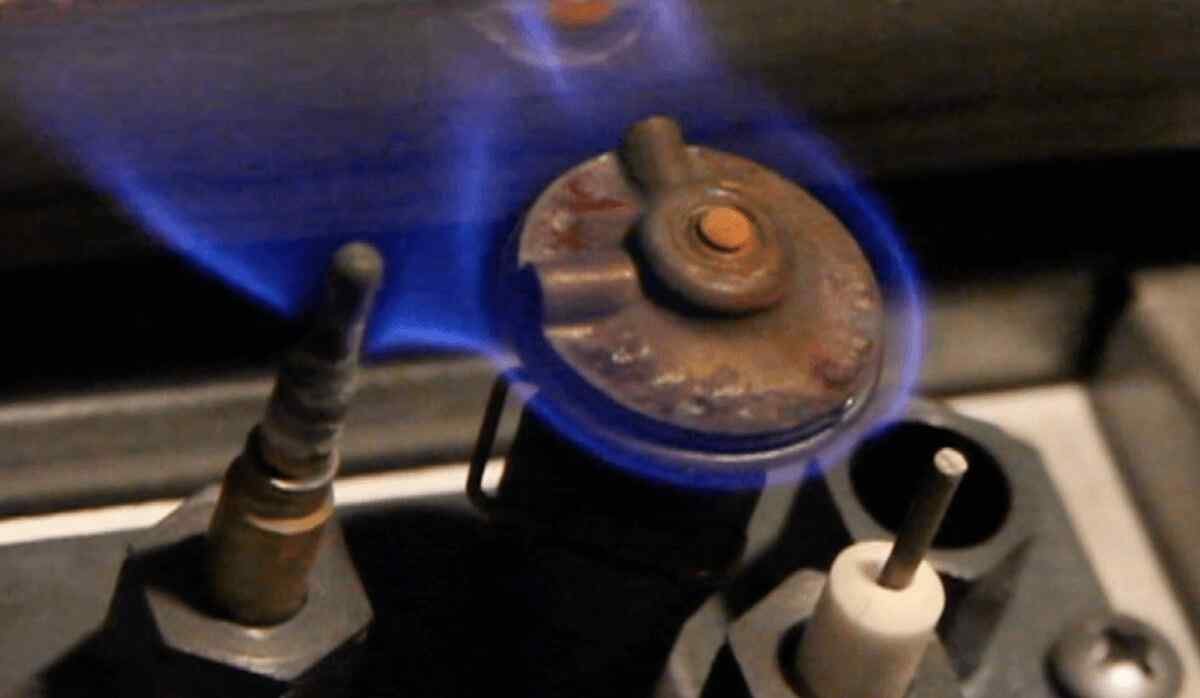
The pilot light system in a gas fireplace relies on a precise balance of fuel and air. When this balance is disrupted, the flame can’t sustain itself. The most frequent cause is a dirty pilot orifice. Over time, dust, pet hair, and debris from the home settle into the small opening where the gas escapes. Even a tiny blockage prevents the gas from reaching the igniter in a steady stream, causing the pilot to sputter and die.
Another common cause is a faulty thermocouple or thermopile. These are safety sensors that sense heat from the pilot flame. If the tip of the sensor is covered in carbon buildup or has degraded due to age, it can’t send the necessary electrical signal to the gas valve. The valve then interprets this as a pilot failure and shuts off the gas supply to prevent a leak. This is a deliberate safety feature, not a mechanical breakdown of the valve itself.
Finally, air in the gas line often occurs after a gas service outage or if the fireplace hasn’t been used for a long period. The air creates a bubble that stops the gas from reaching the pilot burner. You must purge this air to allow fresh, combustible gas to reach the ignition point.
Adjust the gas supply
This fix is for users who suspect that gas isn’t reaching the burner correctly. If you have recently had your gas service turned off or moved into a new home, this is the first step to take. Locate the manual shut-off valve near your fireplace. It’s usually a small lever or a round handle on the gas line. If the lever is perpendicular to the pipe, the gas is off. Turn it until it’s parallel with the pipe to open the flow.
Once the valve is open, you need to clear the air out of the line. After this time, release the knob and try to ignite the pilot again using the built-in piezo igniter. If you hear a click but no flame, wait another minute and repeat the process. If the pilot lights but goes out as soon as you release the knob, the issue is likely the sensor, not the gas supply. This assumes your gas system is in good condition; if you smell sulfur or rotten eggs, leave the house immediately and call your utility company.
Clean the surrounding area
This fix is for users whose fireplace pilot light is obstructed by visible debris. Turn off the fireplace completely and ensure all surfaces are cool to the touch. Use a can of compressed air to gently blow dust away from the pilot assembly and the burner ports. Be careful not to use any metal tools like needles or wires to clear the pilot orifice, as this can permanently damage the brass fitting and cause an uncontrolled gas leak.
If you see a thick layer of soot or dark carbon buildup on the thermocouple tip, use a soft, dry cloth to gently wipe it clean. This sensor must be clean to detect the heat of the flame accurately. After cleaning, wait five minutes for any lingering dust to settle before attempting to relight the pilot. If you notice the pilot flame is yellow or orange instead of a crisp blue, this indicates improper combustion. A clean pilot assembly should allow the flame to wrap around the thermocouple tip, which is the sign of a successful repair.
Call a professional
This fix is for cases where the pilot light won’t stay lit after you have performed the basic troubleshooting steps. If you have confirmed that the gas is on and the area is clean, the issue is likely an internal component failure. This includes a faulty gas control valve, a broken thermocouple, or a damaged igniter wire. These repairs require specialized knowledge and testing equipment that most homeowners don’t possess.
You should contact a certified gas technician or a licensed fireplace service professional to handle these repairs. Attempting to force the control knob or open the sealed valve housing will void your warranty and may cause a dangerous gas leak. A professional will have the correct replacement parts for your specific model, which is essential because gas valves are calibrated differently based on the fireplace’s BTU output. This varies by model — check the label on your fireplace for the model number before calling the technician so they can bring the right parts. The cost of a professional visit is a small price to pay compared to the risk of a fire or carbon monoxide leak caused by an improper DIY repair.
What not to do
Don’t use a wire brush or metal pin to clean the pilot orifice. These tools scratch the soft brass, causing the gas to spray unevenly and creating an unstable flame. Use a soft, dry toothbrush or compressed air instead.
Don’t leave the gas control knob in the “pilot” position for more than a minute without attempting to light it. This fills the firebox with unburned gas. If you smell gas, wait five minutes for the air to clear before trying again.
Don’t attempt to bypass the thermocouple by connecting wires together. This disables the safety system designed to shut off gas flow when the pilot is out. If your pilot won’t stay lit, the thermocouple is likely worn out; replace the part rather than bypassing it.
Don’t use household cleaners or liquids near the burner. Residue causes toxic fumes and damages delicate ceramic components when the fireplace heats up. If you spill something, wipe it with a dry microfiber cloth only.
How to stop it happening again
Preventing pilot issues involves regular maintenance and awareness of your fireplace’s environment. A clean environment is the best way to ensure the pilot assembly remains free of debris.
| If you’re doing this | Do this instead | Why |
|---|---|---|
| Leaving the pilot off all summer | Prevents internal valves from sticking | |
| Using the fireplace in a dusty room | Prevents debris from clogging the orifice | |
| Ignoring a yellow pilot flame | Call a technician for service | Yellow flames indicate poor combustion |
| Forcing the control knob | Check the steps in the manual | Prevents breaking the internal valve stem |
Frequently asked questions
Can I light my valor fireplace pilot light with a match?
No, never use a match or lighter if your model has a piezo igniter. Using external flames can cause dangerous flare-ups. If the built-in igniter fails, it indicates a mechanical issue requiring professional repair.
Why does my pilot light go out when I turn on the main burner?
This happens because gas pressure is dropping or the burner is pulling too much air. It often signals restricted supply lines or soot-blocked burner ports. Don’t adjust pressure yourself, as this requires a manometer.
How long should I hold the pilot knob down to keep it lit?
Hold the knob down for thirty seconds after the pilot flame appears. This allows the thermocouple to heat up and generate the signal needed to keep the valve open. If it still goes out, the thermocouple may have failed.
Is it safe to use the fireplace if the pilot light is yellow?
No, it isn’t safe to use the fireplace if the pilot flame is yellow or orange. A healthy pilot should be blue and wrap around the thermocouple. Yellow flames indicate incomplete combustion, which can produce dangerous carbon monoxide.
What happens if I smell gas near my fireplace?
If you smell gas, immediately turn off the supply valve and leave the area. Don’t use electrical switches or phones inside the home. Once safely outdoors, call your gas utility company or emergency services.
Final Thoughts
If you’re still feeling uncertain after checking the basics, don’t hesitate to reach out to a local professional. They’ll have the right tools to safely inspect your unit and get things running smoothly again. It’s better to be safe than sorry when you’re dealing with gas appliances in your home.