Are you ready to unlock the power of sentence alignment and take your language projects to the next level? Whether you’re working on translation, natural language processing, or data organization, understanding how to match sentences accurately is key.
You’ll discover simple steps to get started with sentence alignment, making complex tasks easier and more efficient. Keep reading, and you’ll soon master a skill that can transform your work—and save you time in the process.
Basics Of Sentence Alignment
Sentence alignment is a key step in comparing texts in different languages. It involves matching sentences from one language to their counterparts in another. Understanding this process helps in many language-related tasks.
Aligning sentences correctly ensures that the meaning stays clear and consistent. This section introduces the basics of sentence alignment to help you start using it effectively.
What Sentence Alignment Entails
Sentence alignment means pairing sentences that mean the same in two languages. The process takes two texts that say the same thing but in different languages. Then, it links each sentence in the first text to the matching sentence in the second. This helps computers understand how languages relate to each other at the sentence level.
Alignment can be simple, matching one sentence to one sentence. Sometimes, one sentence in one language matches several in the other. Tools and algorithms help find these matches automatically.
Importance In Translation And Nlp
Sentence alignment is crucial for translation work. It allows translators to see exact sentence pairs, making their job easier and more accurate. It also supports machine translation systems by providing data they learn from.
In natural language processing (NLP), aligned sentences help train models to understand and generate language. They improve tasks like text summarization, sentiment analysis, and more. Without aligned sentences, many language technologies would not work well.

Credit: reasononeinc.com
Types Of Sentence Alignment
Sentence alignment is a key step in comparing texts in different languages. It matches sentences in one language to their equivalents in another. Different types of sentence alignment exist to handle various translation cases. Each type helps to organize and link sentences clearly and accurately.
One-to-one Alignment
One-to-one alignment pairs each sentence in the source text with one sentence in the target text. This is the simplest form of alignment. It works well when translations keep sentence lengths and meanings similar. This type is often used in straightforward translations.
One-to-many And Many-to-one
One-to-many alignment links one sentence in the source to several sentences in the target. Many-to-one alignment matches several source sentences to one target sentence. These types handle cases where sentences are split or merged during translation. They help keep meaning intact across different sentence structures.
Many-to-many Matching
Many-to-many alignment connects groups of sentences in the source with groups in the target. This type is useful for complex translations with sentence reordering. It allows flexible matching and captures the full meaning of the text. Many-to-many matching is more challenging but often necessary.
Tools For Sentence Alignment
Sentence alignment requires precise tools to match sentences between languages. Choosing the right tool affects accuracy and efficiency. Many tools exist, each with unique features. Understanding these options helps beginners start effectively with sentence alignment.
Popular Software Options
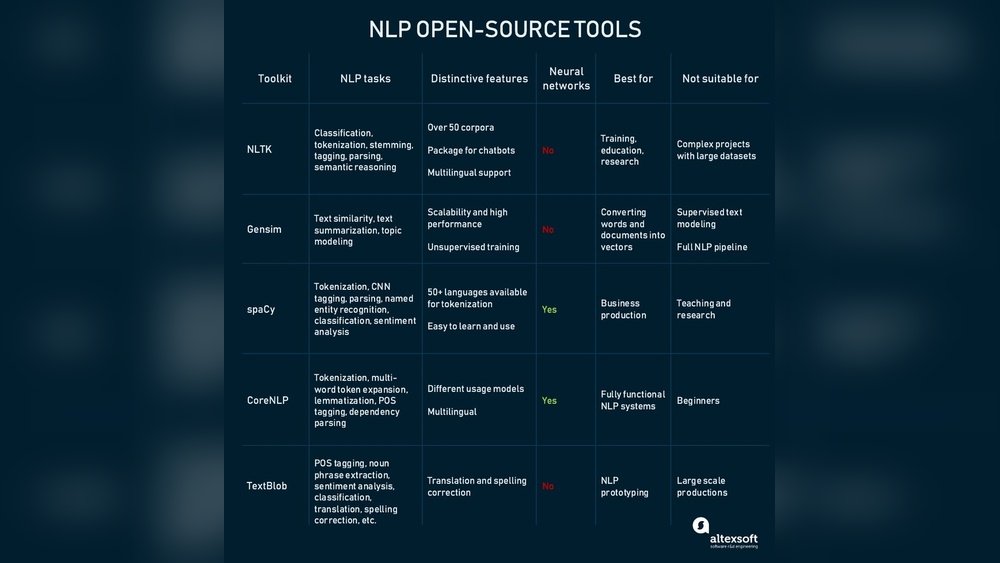
Several software programs assist with sentence alignment. Tools like GIZA++, Hunalign, and LF Aligner are widely used. These programs vary in complexity and ease of use. Some offer graphical interfaces, while others run in command lines. Beginners often prefer tools with visual feedback and clear guides.
Open-source Vs Commercial Tools
Open-source tools are free and customizable. They allow users to modify code and adapt features. Commercial tools usually offer technical support and regular updates. These paid options often include user-friendly interfaces. Deciding between open-source and commercial depends on budget and technical skills.
Integration With Translation Platforms
Many sentence alignment tools connect with translation management systems. Integration speeds up workflow by syncing aligned sentences directly. Platforms like SDL Trados and MemoQ support this feature. This link reduces manual transfers and errors. Users benefit from smoother project management.
Credit: www.salesforce.com
Preparing Text For Alignment
Preparing text for alignment is a vital step in sentence alignment projects. Proper preparation ensures better matching between source and target sentences. This process reduces errors and improves translation quality.
Text preparation involves cleaning, formatting, and splitting the text into manageable parts. It also includes handling special characters and punctuation that could confuse alignment tools. Clear, well-structured text leads to more accurate results.
Cleaning And Formatting Source Text
Start by removing unwanted spaces, tabs, and line breaks. Fix inconsistent capitalization and spelling errors. Convert all text to a uniform case, usually lowercase, for easier comparison.
Standardize fonts and remove any hidden characters. Check for and fix broken words or merged sentences. This makes the text clear and easy to process.
Splitting Text Into Sentences
Divide the text into individual sentences for alignment. Use simple sentence boundary detection rules based on punctuation marks like periods, question marks, and exclamation points.
Ensure each sentence ends with proper punctuation. Avoid splitting sentences in the middle of abbreviations or numbers. Clear sentence boundaries help match sentences more accurately.
Handling Special Characters And Punctuation
Special characters can disrupt sentence alignment if not treated properly. Replace or remove unusual symbols that do not affect meaning. Convert different types of quotation marks to a standard form.
Keep punctuation that marks sentence endings intact. Normalize commas, periods, and other common marks. This step prevents errors during the alignment process.
Alignment Techniques And Algorithms
Sentence alignment involves matching sentences in one language with their translations in another. It helps improve machine translation and text analysis. Different techniques and algorithms exist to perform this task. Each method has unique strengths and suits various scenarios.
Rule-based Approaches
Rule-based alignment uses fixed rules to pair sentences. These rules often rely on sentence length or punctuation marks. For example, sentences of similar length in two languages are assumed to match. This approach is simple and fast but may lack accuracy for complex texts. It works best when texts are closely related and follow similar structures.
Statistical Methods
Statistical methods use probability to find the best sentence pairs. They analyze large datasets of parallel texts to learn alignment patterns. These methods consider sentence length and word correspondence. The Gale-Church algorithm is a well-known example. Statistical models adapt better to different languages and text types. They offer improved accuracy over rule-based approaches.
Machine Learning Models
Machine learning models learn alignment from data without explicit rules. They use features like word similarity, context, and sentence structure. Neural networks and deep learning are common techniques. These models improve over time with more data. They handle complex cases and noisy data well. Machine learning offers the highest accuracy but requires more computing power.
Evaluating Alignment Quality
Evaluating alignment quality is a key step in sentence alignment. It ensures the matched sentences are accurate and reliable. Without quality checks, results may contain errors that reduce usability. This section covers ways to measure and improve alignment quality effectively.
Common Metrics And Benchmarks
Precision, recall, and F1-score are standard metrics for alignment quality. Precision shows how many aligned pairs are correct. Recall measures how many true pairs are found. F1-score balances precision and recall in one value.
Benchmarks like the Hansards dataset or the Europarl corpus provide gold standards. These reference datasets help test alignment tools against known correct pairs. Using benchmarks aids in comparing different alignment methods fairly.
Manual Vs Automated Evaluation
Manual evaluation involves human reviewers checking sentence pairs. It is accurate but time-consuming and costly. Humans can catch subtle errors that machines miss.
Automated evaluation uses algorithms to score alignments quickly. It is faster and scalable for large datasets. However, it may overlook complex linguistic issues.
Combining both methods often yields the best results. Automation handles bulk checks while manual review ensures high precision in critical cases.
Improving Accuracy
Start by cleaning and preprocessing the data to remove noise. Use language-specific rules or dictionaries to guide alignment.
Adjust alignment thresholds to balance precision and recall based on needs. Experiment with different algorithms to find the best fit.
Incorporate feedback from manual reviews to refine models continuously. Regular evaluation and tuning improve alignment over time.
Common Challenges And Solutions
Sentence alignment is essential for many language tasks. It matches sentences from one language to their counterparts in another. This process faces several challenges. Understanding common issues helps in finding effective solutions. Below are key challenges and ways to handle them.
Dealing With Mismatched Sentences
Sometimes, sentences do not match one-to-one. One sentence in the source may split into two or more in the target. Or multiple source sentences combine into one translation. This mismatch causes errors in alignment.
To fix this, use flexible alignment tools. They allow one-to-many and many-to-one matches. Also, manual checking helps catch difficult cases. Breaking long sentences into smaller parts improves accuracy.
Handling Idiomatic Expressions
Idioms have meanings different from their literal words. Directly aligning idioms causes confusion. Translations often use different phrases with the same meaning.
Identify idioms before alignment. Use dictionaries or phrase lists to spot them. Then, align based on meaning, not exact words. This method keeps the translation natural and correct.
Addressing Language Variations
Languages have many dialects and variations. Spelling, grammar, and word order may differ. These changes make sentence alignment harder.
Choose datasets that match the dialect you work with. Normalize text by fixing spelling and grammar differences. Use language models trained on specific variations. This approach improves alignment quality.
Credit: www.salesforce.com
Best Practices For Success
Achieving success in sentence alignment requires a clear strategy. Applying best practices improves accuracy and efficiency. These practices help avoid common errors and save time. Consistency and regular upkeep play vital roles. Follow these guidelines to ensure smooth project progress.
Optimizing Workflow
Streamline tasks to reduce manual work. Use batch processing when handling large texts. Automate repetitive steps with scripts or software. Break projects into manageable sections. Prioritize high-quality source and target texts. Clear labeling of files aids easy tracking.
Maintaining Consistency Across Projects
Apply uniform rules for all projects. Use the same alignment criteria every time. Train team members on standardized procedures. Keep a style guide for reference. Consistent formatting helps produce reliable results. Review samples regularly to ensure uniformity.
Regular Updates And Tool Maintenance
Keep your software up to date with the latest versions. Check for patches that fix bugs or improve features. Back up your data before updates. Test tools after updates to confirm functionality. Clean up temporary files and caches regularly. A well-maintained system reduces errors and downtime.
Future Trends In Sentence Alignment
The future of sentence alignment is full of exciting possibilities. New technologies will make it faster and more accurate. These changes will help many fields like translation, education, and data analysis.
Developers are working on smarter methods that use artificial intelligence. Real-time tools will allow instant matching of sentences in different languages. Also, combining text with images and sounds will open new doors.
Advances In Ai And Deep Learning
AI and deep learning improve sentence alignment by finding patterns quickly. They learn from large amounts of text to match sentences better. These systems adapt to different languages and styles easily. This means fewer errors and more precise results.
Real-time Alignment Applications
Real-time sentence alignment helps in live translation and communication. It allows people to understand each other instantly across languages. New apps will support meetings, chats, and online learning. This technology reduces delays and improves interaction quality.
Cross-lingual And Multimodal Alignment
Cross-lingual alignment links sentences from many languages at once. This supports global projects and multilingual content. Multimodal alignment combines text with images or audio. It helps in areas like video subtitles and language learning tools. These trends make sentence alignment more useful everywhere.
Frequently Asked Questions
What Is Sentence Alignment?
Sentence alignment matches sentences in a source text with their exact translations in a target text. It helps improve translation accuracy.
What Is The 3 Point Alignment Method?
The 3 point alignment method uses three reference points to precisely position objects or text. It ensures accuracy and balance.
What Are The 4 Types Of Alignment In Text?
The four types of text alignment are left, center, right, and justified. Left aligns text to the left margin. Center places text evenly between margins. Right aligns text to the right margin. Justified spreads text evenly across the line for a clean look.
What Are The 4 Paragraph Alignments?
The four paragraph alignments are left, center, right, and justify. Left aligns text to the left margin. Center places text evenly between margins. Right aligns text to the right margin. Justify spreads text evenly across the line for a clean look.
What Is Sentence Alignment In Language Processing?
Sentence alignment matches sentences from one language to their translations. It helps compare texts side-by-side. This is useful in translation and language learning.
Conclusion
Sentence alignment helps connect texts in different languages clearly. It makes translation tasks easier and more accurate. Beginners can start with simple tools and methods. Practice improves skill and understanding over time. Keep sentences matched carefully for best results. This foundation supports more advanced language projects later.
Start small, stay consistent, and enjoy learning.