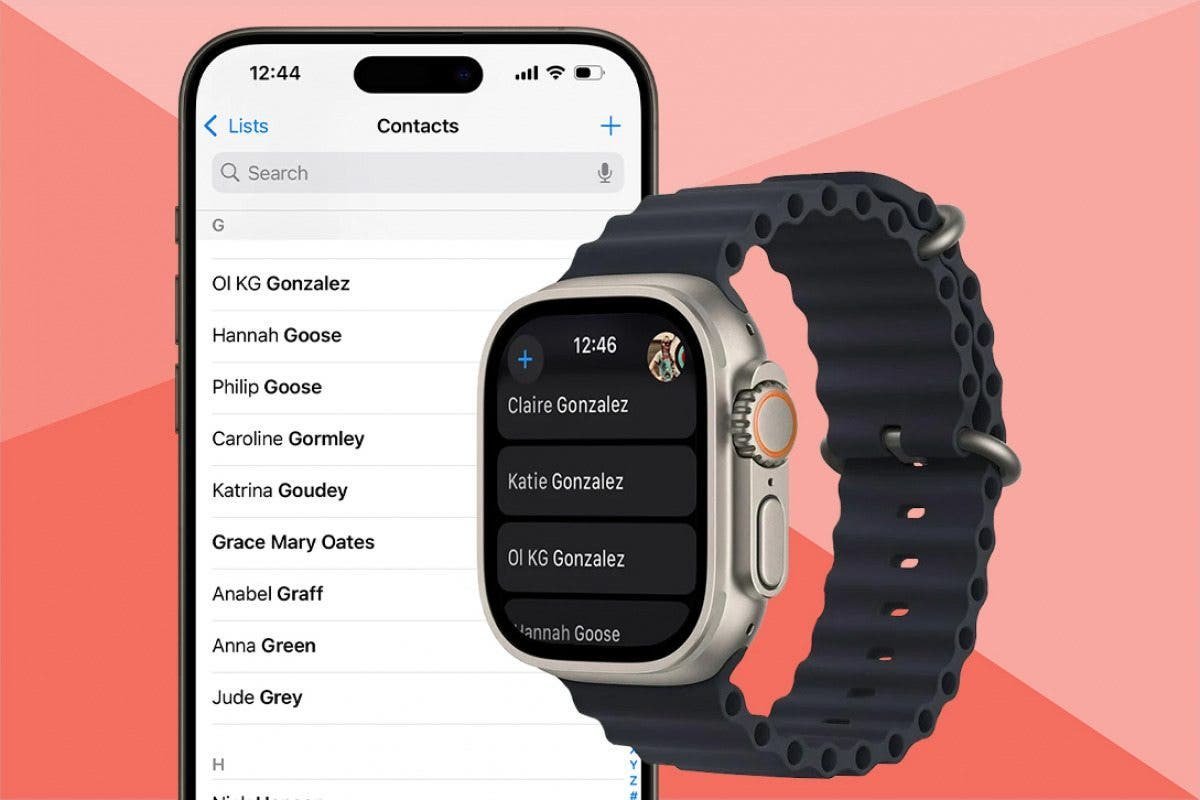
When you find your iCloud contacts not syncing, the cause is often a simple settings conflict or a temporary server error. You can usually fix this by toggling the Contacts switch off and back on in your iCloud settings to force a refresh. If the problem persists, check your network stability or sign out and back into your Apple ID.
Fixing iCloud contacts not syncing
| Cause | How common | How to confirm it | Fix it yourself? |
|---|---|---|---|
| Disabled Sync | Very common | Check iCloud settings | Yes |
| Network Issues | Common | Test browser connection | Yes |
| Account Glitch | Common | Sign out and in | Yes |
| Outdated Software | Occasional | Check system updates | Yes |
| Server Outage | Rare | Check Apple status page | No |
| Storage Full | Rare | Check iCloud storage | Yes |
Most users assume a sync failure stems from a server error, but the vast majority of cases involve local configuration. If your settings menu shows a “Sync Paused” warning, toggle the feature off and wait ten seconds before reactivating it. This forces the device to re-index your local database.
If you suspect a network issue, don’t rely on a simple website load. Instead, attempt to upload a file to a cloud drive. If the upload hangs, your ISP is likely throttling background traffic.
When facing an account glitch, users often make the mistake of deleting their profile. Never do this. Simply sign out of your Apple ID, restart the device, and sign back in. This clears the authentication token without purging your local cache. If your storage is full, you’ll see a specific alert in the settings banner; if that banner is absent, ignore storage as a potential cause.
Toggling the iCloud sync setting
The most frequent reason for missing contacts is that the synchronization toggle has been accidentally turned off. This setting acts as the bridge between your local contact list and the cloud database. When it’s disabled, your phone stops sending updates to the server, so any new numbers you save stay trapped on your device.
To confirm this is the cause, open your Settings app and tap your name at the top. From there, select iCloud and look for the list of apps using the service. If you see the Contacts toggle in the “Off” position, you have found the culprit. Even if it looks like it’s on, toggling it off, waiting ten seconds, and turning it back on can clear a stuck process. When you turn it back on, your phone will ask if you want to merge your local contacts with those in the cloud; choose “Merge” to ensure you don’t lose any existing entries.
This process takes about two minutes of your time. If you have a large contact list with thousands of entries, the initial re-sync might take longer as the phone verifies every single card against the server. This varies by model — check the label or your device manual for specific sync behavior if you have an older phone with limited memory. If you find the switch refuses to stay in the “On” position, this is a sign of a deeper system software error rather than a simple setting toggle.
Resolving account authentication errors
Sometimes your device loses its secure connection to your Apple ID, which stops all data from moving between your phone and the cloud. You can tell this is the cause if you see a prompt asking you to “Update Apple ID Settings” or if your name appears greyed out in the main settings menu. This error often happens after a password change or a long period of inactivity on the account.
To fix this, you need to refresh the authentication token by signing out and back in. Go to Settings, tap your name, and scroll down to select “Sign Out.” You’ll need to choose whether to keep a copy of your data on your phone; keep it to ensure you don’t lose anything during the process. After signing out, restart your device to clear the cache. Once the phone turns back on, sign back in with your Apple ID and password. This forces the device to re-verify your credentials and reconnect to the Apple System Status page to ensure all services are active.
This isn’t for users who have forgotten their Apple ID password, as you’ll need it to sign back in. If you don’t have your password, reset it through the official portal before you attempt to sign out. This process costs nothing but requires about five to ten minutes of patience while your phone re-downloads your cloud data.
Fixing network connectivity blocks
A restricted network often prevents the background sync service from reaching Apple’s servers. This happens if you’re using a public Wi-Fi network with a firewall or if your cellular data settings are blocking background app activity. You can tell if this is the cause by trying to load a webpage in Safari; if the web pages fail to load, the issue is your internet, not your contacts.
If you’re on a restricted network, move to a stable, private Wi-Fi connection. If you prefer to use cellular data, go to Settings, then Cellular, and make sure the “iCloud” or “Contacts” toggle is allowed to use data. A common mistake people make is disabling background data to save money, which unintentionally kills the sync process. This costs you nothing, but you should monitor your data usage if you’re on a limited plan, as a massive sync can consume a few megabytes.
If you’re using a VPN, turn it off temporarily. VPNs often route traffic through servers that the sync service can’t verify, causing the process to time out. If you’re in a corporate office, the network administrator might have blocked the ports required for iCloud traffic, which is an honest limit of the environment you’re in.
The less likely causes
Storage limits: Your iCloud storage is full, preventing any new data from being uploaded to the cloud. If your account shows less than 500MB of free space, the sync process often hangs indefinitely.
System updates: An outdated version of iOS may contain bugs that break the sync. Check for updates in Settings. If you’re two or more major versions behind, the server-side protocols may no longer recognize your device’s handshake.
Corrupt contact files: A single corrupted contact card can block the entire sync queue. You can identify the culprit by checking your desktop browser’s iCloud interface; if the sync fails at a specific name, delete and recreate that entry manually.
Date and time settings: If your phone’s clock isn’t set to “Set Automatically,” the security certificate for the sync server will appear invalid. This mismatch causes an immediate “SSL handshake failure” error, effectively locking your device out of the cloud.
What a fix usually involves
Fixing sync issues is almost always a software-based process that requires no specialized tools or hardware parts. Most of the time, you only need to navigate through your system menus to reset a toggle or re-enter your credentials. If the issue is a full storage account, you might need to delete old backups or photos, which costs you nothing but requires a bit of time to sort through your files. In the rare case that your local software is damaged, you might need to restore your device from a previous backup, which carries the risk of losing recent data if you haven’t synced in a while. If you’re unsure about the cost or the safety of these steps, check the official support documentation on the Apple website. Never pay a third-party service to “fix” a sync error, as these are almost always issues you can resolve by following the official, free steps provided by the manufacturer.
Frequently asked questions
Can I lose my contacts by signing out?
No, you won’t lose your contacts if you choose to keep a copy on your device when prompted. When you sign out, the system asks if you want to keep data on your phone; selecting “Keep” ensures your address book remains local until you sign back in. Once you re-authenticate, the device will merge the local data back into the cloud.
Why do my contacts show up on my Mac but not my phone?
This usually means your phone isn’t signed into the same iCloud account or the sync toggle is disabled. Check that both devices show the same Apple ID in the Settings or System Settings menu. If the accounts match, verify that the “Contacts” toggle is set to the “On” position in the iCloud section of both devices.
How long does a contact sync take?
About one to five minutes is the standard time for a sync to complete once the connection is established. If you have a very large address book with thousands of entries, it may take longer. You can monitor the progress by opening the Contacts app and pulling down on the list to trigger a manual refresh.
Is it safe to use a third-party sync tool?
No, it isn’t recommended to use third-party tools to bypass iCloud sync issues. These apps often require access to your private data and can cause conflicts that are difficult to undo. Stick to the native settings provided by Apple to ensure your data stays secure and your privacy remains protected according to the company’s guidelines.
What happens if I turn off iCloud contacts?
Your contacts will be removed from your device if you choose not to keep a local copy. If you turn the toggle off, the phone asks if you want to keep existing contacts on your device; if you select “Delete,” they will vanish from your phone but stay in the cloud. You can restore them anytime by turning the toggle back on.
Does it matter if I am on cellular data?
Yes, it matters if you have restricted background data usage for the Contacts app. If you’re on a limited data plan, ensure that your phone is allowed to use cellular data for iCloud services. You can check this in the Cellular menu under Settings, where you’ll see a list of apps and their data permissions.
Final Thoughts
If these adjustments don’t get your information flowing again, don’t worry. It’s a good idea to check the Apple System Status page to see if there’s a wider outage affecting your region. If everything looks green there, you’ll want to contact Apple Support directly so they can help you troubleshoot further.