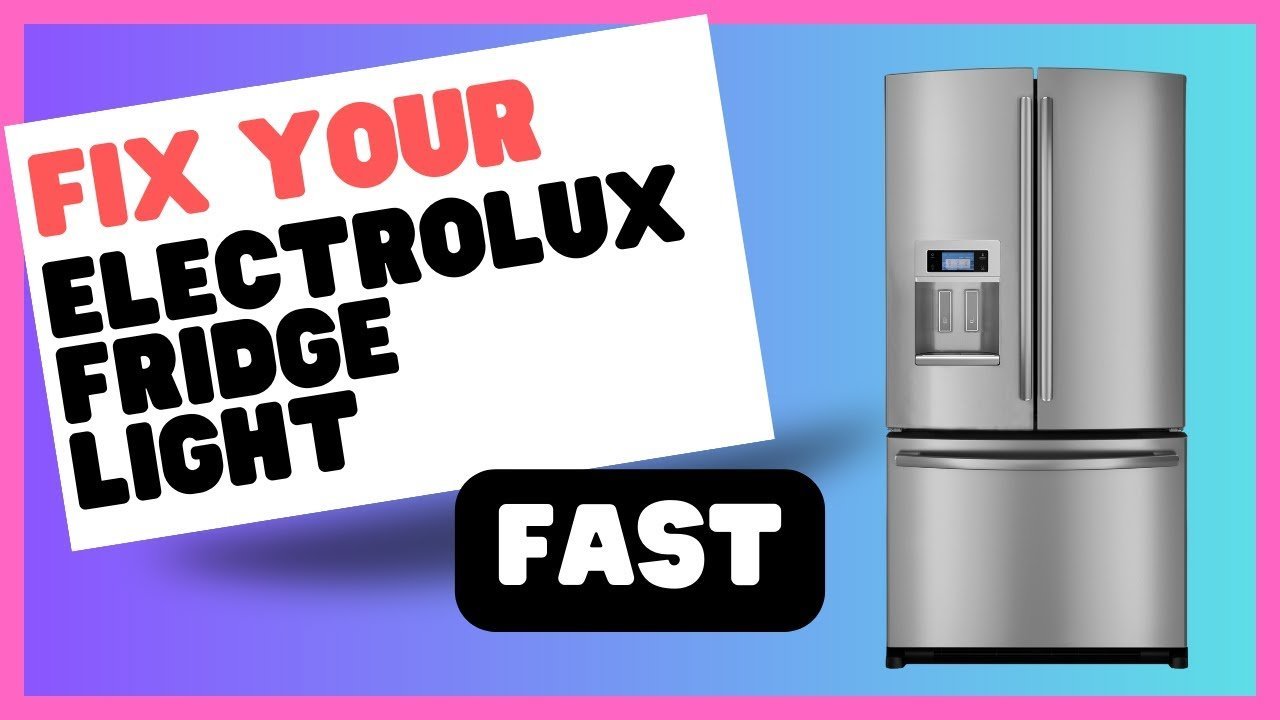
The most common reason for an electrolux fridge light not working is a burned-out bulb or a stuck door switch. In most cases, you can solve this by checking the light cover, testing the bulb, or ensuring the switch isn’t blocked by food items. If the light remains off after these simple checks, the issue might lie in the internal wiring or the control board, which requires professional service. Always consult your Electrolux appliance user manual to find the specific bulb type and replacement instructions for your model.
Why your Electrolux fridge light not working
| Cause | How common | How to confirm it | Fix it yourself? |
|---|---|---|---|
| Burned out bulb | Very common | Check for dark filament | Yes |
| Stuck door switch | Common | Press switch manually | Yes |
| Loose bulb connection | Occasional | Tighten bulb carefully | Yes |
| Faulty door switch | Occasional | No click when pressed | Yes with care |
| Wiring issues | Rare | Inspect visible wires | No |
| Control board failure | Rare | Other features fail | No |
If the bulb looks clear but the light stays off, press the switch manually. A healthy switch should produce a distinct, audible click.
If you hear no click, the spring mechanism is likely jammed with grease or debris. Spraying a small amount of electrical contact cleaner can often restore functionality without a full replacement.
Distinguishing between a loose bulb and a control board failure is simple. If the light is out but the appliance still heats or cools properly, the issue is localized to the light circuit. However, if the control panel display is also flickering or unresponsive, you’re likely dealing with a failing main control board. This is a common diagnostic mistake; don’t replace the board until you have verified the power supply is stable.
Replacing the interior light bulb
A burned-out bulb is the primary culprit when your fridge interior stays dark. Over time, the filament inside traditional incandescent bulbs breaks, or the internal circuitry of LED modules fails. This prevents the light from illuminating even when the door is fully open.
To confirm this, look closely at the bulb through its plastic cover. If you see a dark or broken filament, or if an LED module shows signs of flickering or total darkness, it needs replacement. Before you touch anything, unplug the refrigerator from the wall outlet to prevent any risk of electric shock. Locate the light cover, which is usually held in place by a plastic tab or a single screw. Gently release the tab or remove the screw to slide the cover off.
Remove the old bulb by unscrewing it counter-clockwise or pulling it straight out, depending on the base type. Always match the wattage and voltage of the new bulb to the original, as using a bulb with higher wattage than recommended can melt the plastic housing. If you’re unsure about the specific part, check the label printed on the base of the old bulb. Once you screw in the replacement, snap the cover back into place and reconnect the power. This process usually takes about ten minutes. If the new bulb also fails to light up, the issue is likely deeper in the electrical circuit, and you should stop attempting repairs to avoid damaging the socket or wiring.
Fixing a stuck door switch
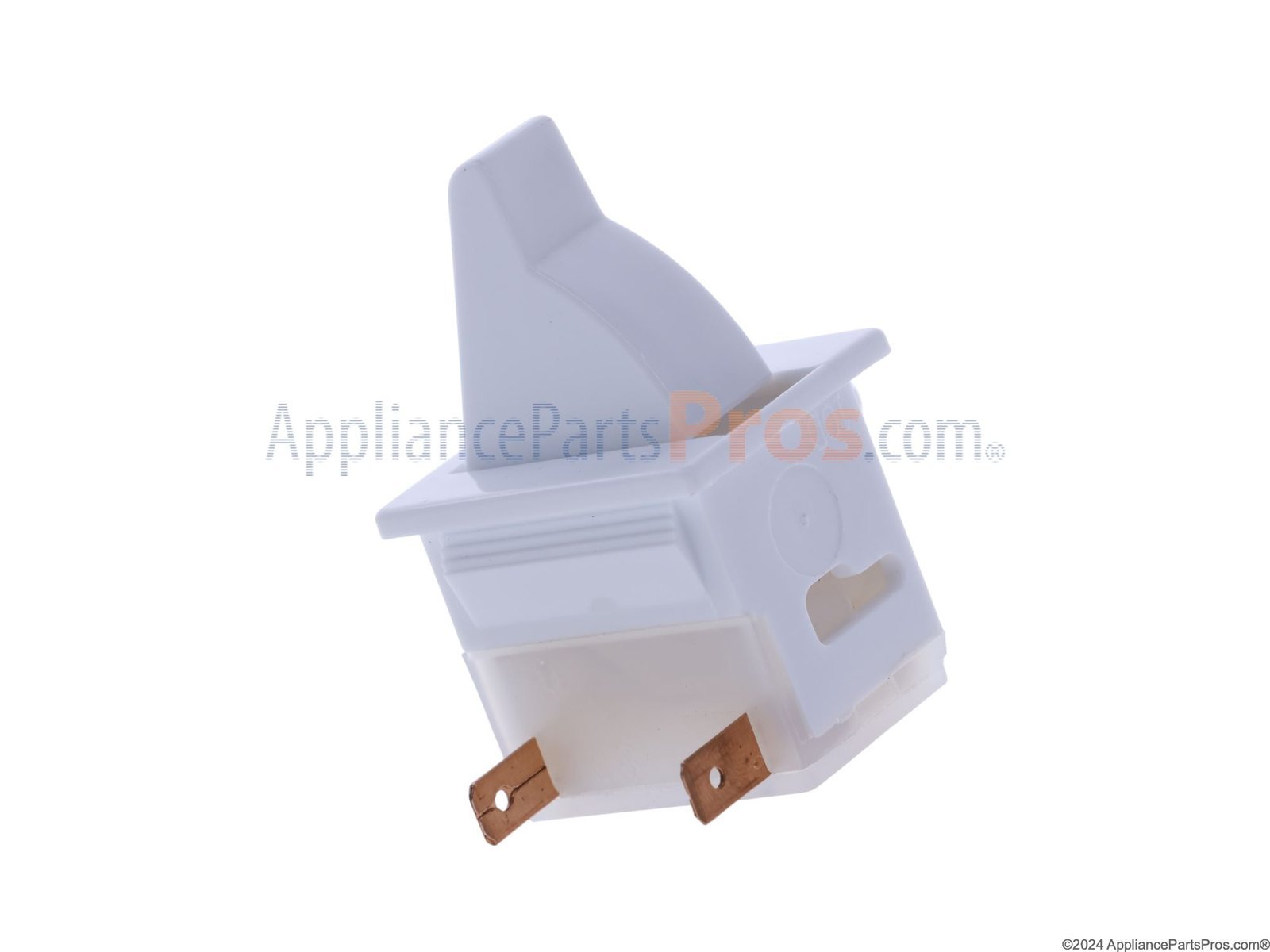
The door switch is a small, spring-loaded button located near the door frame that tells the fridge when the door is open or closed. If this switch gets stuck in the “in” position because of sticky spills or debris, the fridge thinks the door is permanently closed and keeps the light off to save energy.
You can identify this cause by locating the switch and pressing it with your finger. A healthy switch should move smoothly and make a soft, audible “click” sound. If the switch feels stiff, doesn’t move, or stays pushed inward, it’s likely jammed. To fix it, clean the area around the switch button with a damp cloth and a mild soap solution. Gently wiggle the button to loosen any dried residue. If the button pops back out and the light turns on, you have solved the problem.
If the button doesn’t click or remains stuck after cleaning, the internal spring mechanism is likely broken. If you find the switch is damaged, you must replace the entire unit. Because this involves accessing the door frame housing, it’s a task best left to a professional technician. Attempting to pry the switch out yourself can damage the plastic frame or fray the wires behind it, which creates a more expensive repair bill.
Checking for loose connections
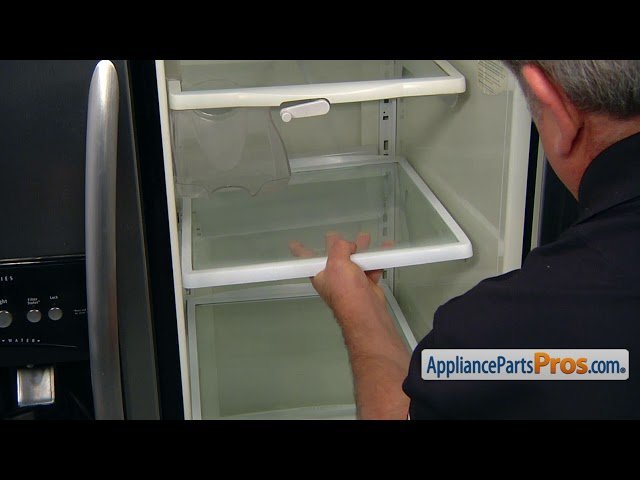
A loose bulb connection happens when the base of the bulb isn’t making full contact with the metal tab at the bottom of the socket. This often results from vibrations caused by the compressor cycle or from the bulb vibrating loose over several years of use.
To test this, ensure the fridge is unplugged. Remove the light cover as described previously. Try to tighten the bulb by turning it clockwise until it feels firm. If the bulb was already tight, gently inspect the metal tab at the base of the socket. If the tab looks flattened, it might not be reaching the bottom of the bulb. You can use a non-conductive tool, like a wooden craft stick, to very gently bend the metal tab upward toward the center of the socket.
Don’t use metal tools like screwdrivers for this, as they can cause a short circuit if you accidentally touch the live contacts. If the light works after this adjustment, you have fixed the issue. However, if the socket itself is loose, cracked, or shows signs of heat damage like melting or blackening, don’t try to bend the contacts further. A damaged socket is a fire hazard and requires a professional replacement of the entire light assembly. This varies by model — check the label on your fridge for the specific part number before calling for service.
The less likely causes
Tripped circuit breaker: If other appliances in the kitchen have also lost power, check your home’s main electrical panel for a tripped breaker. If the breaker flips again immediately after resetting, you likely have a short circuit in the appliance’s wiring rather than a simple power surge.
Failed control board: If the light, the display panel, and the compressor all stop working at once, the main electronic control board has likely failed. A common mistake is replacing the compressor first; always check the board’s voltage output before buying expensive parts.
Blown thermal fuse: A rare electrical surge can blow an internal fuse, which requires a technician to diagnose and replace safely.
Broken internal wiring: If the fridge has been moved recently, a wire may have become pinched or disconnected. Inspect the door hinge area, as repeated opening often frays these internal cables.
What a fix usually involves
Most light-related repairs are simple and inexpensive, requiring only a few minutes and a basic tool like a screwdriver. If the problem is a bulb, you only need the price of a replacement part, which is a small cost compared to a technician’s visit. A stuck switch is similarly cheap to fix, though you may need a new switch unit if the spring has failed.
When the issue involves the wiring or the control board, you’re looking at a much more involved process. These repairs require specialized knowledge and testing equipment to ensure the fridge remains safe to use. The cost here will be higher, usually involving a service fee plus the price of the specific electronic module. Before you decide to hire someone, check the manufacturer’s official support page to see if your appliance is still under warranty. If it is, contact the company directly to avoid voiding your coverage. If the unit is older, get a quote from a local, certified technician to see if the cost of the repair makes sense relative to the age and value of your appliance.
Frequently asked questions
Can I use any light bulb in my fridge?
No, you must use a bulb specifically rated for refrigerator use. Fridge bulbs are designed to withstand cold temperatures and moisture, whereas standard household bulbs may shatter or fail quickly in these conditions. Always check your user manual for the exact wattage and base type required for your specific model to ensure safety and proper operation.
Is it safe to use the fridge with no light?
Yes, it’s perfectly safe to operate your refrigerator without a working light. The light is a convenience feature and doesn’t affect the cooling performance, the compressor, or the temperature regulation of the unit. You can safely continue to store food until you have the time or the parts to complete the repair.
How long should a fridge bulb last?
There’s no set lifespan for a fridge bulb, as it depends on how often you open the door and the type of bulb installed. LED bulbs generally last much longer than traditional incandescent bulbs, often for several years. If you find yourself replacing bulbs frequently, check that the door is sealing properly and not staying slightly open.
What happens if I touch the light socket?
Touching the light socket with your fingers or a metal object while the fridge is plugged in carries a high risk of electric shock. Always unplug the appliance from the wall outlet before you attempt to inspect, clean, or replace any light components. If you aren’t comfortable working with electrical parts, contact a professional.
Does it matter if the bulb is LED or incandescent?
Yes, it matters because of the heat output and the specific wiring of your fridge. Some older models are designed only for incandescent bulbs, and using an LED might lead to flickering or failure to light. Always check the manufacturer’s recommendations to see if your model is compatible with LED upgrades before purchasing a new bulb.
Why is the light flickering?
Flickering usually indicates a loose bulb, a failing LED module, or an unstable power connection. Start by ensuring the bulb is screwed in firmly. If the flickering continues with a new bulb, the internal socket or the control board may be faulty, which requires a professional technician to inspect and repair.
Final Thoughts
If the interior stays dark after you’ve tried these fixes, don’t hesitate to reach out to a local technician. They’ll quickly identify if there’s a deeper electrical fault you shouldn’t handle on your own. It’s better to be safe, so let a pro take a look if you’re still feeling stuck.
Related guides