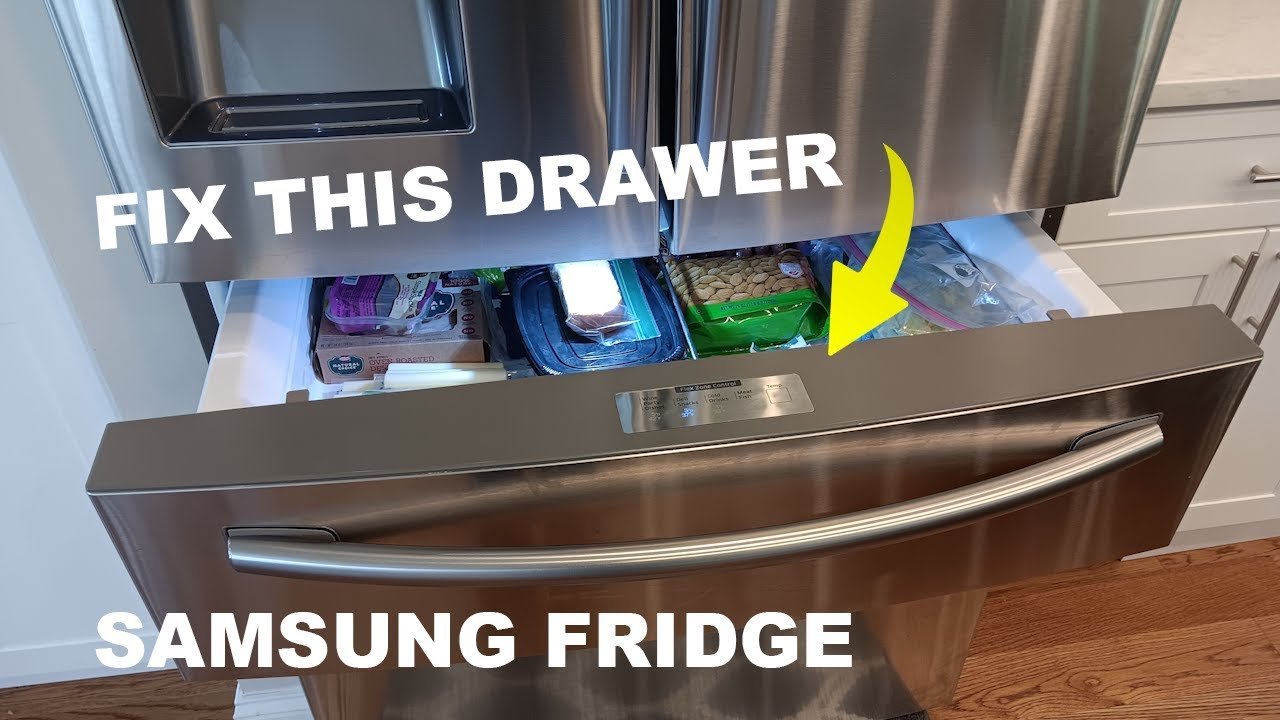
A loose door switch or a tripped energy-saving mode is the most common reason for a Samsung fridge freezer light not working. These issues often happen when the door doesn’t press the switch fully or when display settings disable illumination to save power. In rare cases, the LED module has reached the end of its life, requiring a replacement part. You can confirm the cause by manually pressing the door switch while the door is open to see if the light turns on.
Why your Samsung fridge freezer light not working
| Cause | How common | How to confirm it | Fix it yourself? |
|---|---|---|---|
| Door switch stuck | Very common | Manually press switch | Yes |
| Eco mode active | Common | Check display panel | Yes |
| LED module failure | Occasional | Visual inspection | Yes with care |
| Loose wire harness | Rare | Check panel connections | No |
| Control board fault | Rare | System error codes | No |
| Power supply issue | Rare | Check main outlet | Yes |
Most users mistake a control board fault for a simple power supply issue. If the unit is completely dead, check the outlet with a lamp first. If the outlet works but the display remains dark, you’re likely dealing with a blown fuse on the control board.
If you see flickering, the LED module is failing. Replace the entire board rather than individual diodes, as the heat damage usually affects the surrounding circuit. If the unit hums but doesn’t engage, stop immediately. A loose wire harness can cause a short circuit, which will fry the main processor if left powered.
Safety: Inside a mains-powered machine, the parts behind the outer cover can hold a dangerous electrical charge even after it has been unplugged — that’s why they sit behind a cover. Opening the housing, or testing or replacing anything behind it, is a job for a qualified technician, never a home repair.
Door switch issues
A stuck or misaligned door switch is the most frequent cause for interior lighting failure. This small mechanical button detects when the door closes to turn off the light and save energy. If the button remains pushed in or becomes jammed with food debris, the fridge assumes the door is still closed and keeps the light off. You can confirm this by finding the switch—usually located in the door frame—and pressing it several times with your finger. If the light blinks or turns on during this test, the switch is simply stuck or dirty.
Cleaning the area around the switch often resolves the problem if sticky spills are preventing the button from popping out. Use a damp cloth to wipe away any residue, but don’t spray liquid directly into the gap. If the switch feels loose or doesn’t spring back when you let go, it may have a broken internal spring. This varies by model—check the label inside your unit for the specific part number if you need a replacement. If you decide to replace the switch, you must unplug the appliance first. A common mistake people make is trying to pry the switch out with a metal screwdriver while the power is on, which risks a short circuit or damage to the plastic frame. If the switch appears physically damaged or doesn’t click, contact a professional to handle the internal wiring.
Eco mode settings
The interior light may be disabled if your fridge is currently running in an energy-saving or “vacation” mode. Many modern units provide settings that reduce power consumption by dimming or turning off non-essential features, including internal lighting, to help maintain cold temperatures more efficiently. You can tell this apart from a hardware fault by looking at your display panel. If you see icons indicating “Eco,” “Holiday,” or “Vacation” mode, the light is intentionally disabled by the software.
Consult your user manual to find the button combination required to exit these modes. Typically, holding the “Fridge” or “Vacation” button for three seconds will return the unit to standard operation. If the light remains off after switching back to normal mode, you have confirmed the issue isn’t related to software settings. This assumes you’re using the standard control interface; for models with complex smart touchscreens, navigate to the “Settings” or “Advanced” menu to verify that “Light Control” or “Night Mode” isn’t set to “Off.” If the light still doesn’t activate after these adjustments, the problem is likely a hardware component.
LED module failure
LED lighting components in modern appliances have a long lifespan, but they can eventually fail due to power surges or environmental humidity. Unlike old incandescent bulbs, these modules are integrated into the ceiling or side panels of the fridge. If the LED appears dark, flickering, or shows signs of discoloration, the module itself has likely burned out. This is a simple visual check; if the light doesn’t react to the door switch and your settings are correct, the module is the most probable point of failure.
To inspect the module, look for a plastic cover or lens protecting the LEDs. You can find specific instructions for your unit on the Samsung Support official website to see if your model allows for a user-replaceable light assembly. If the guide indicates the module is a sealed unit, you’ll need to order the exact replacement part using your model number. A common mistake is using a generic LED bulb from a hardware store, which won’t fit the proprietary connector or provide the correct voltage. This requires caution, as you must disconnect the power supply before touching any electrical components. If you’re uncomfortable working with internal wiring or the housing is difficult to remove, stop and call a professional. Working on these components without proper training can void your warranty or lead to electrical hazards.
The less likely causes
- A loose wire harness behind the control panel can interrupt power to the light, which you can check by looking for visible gaps in the plastic housing.
- Control board errors often present as a flashing display or a specific error code, meaning the computer isn’t sending power to the light circuit.
- A tripped circuit breaker or a faulty wall outlet will result in the entire fridge losing power, not just the light.
- Internal moisture buildup can corrode the light socket contacts, which usually requires a technician to safely clean or replace the affected terminal.
What a fix usually involves
Fixing a lighting issue depends entirely on the root cause. If the problem is a stuck switch or a setting, the fix involves only your time and perhaps a damp cloth. If the issue is a failed LED module, you’ll need to purchase a specific replacement part from the manufacturer. The cost for a new module is typically a small part of the price of a new appliance, but it depends on the complexity of your specific unit.
You should always check the official documentation or the manufacturer’s portal to confirm if the light module is a customer-replaceable part for your model. If the fix requires internal work on the control board or wiring, you’ll need to hire a professional technician. Repair costs for professional labor can vary based on your location and the age of the appliance, so always request a quote before authorizing any work. Never attempt to force open sealed panels or use tools that could damage the interior lining, as this can lead to costly cosmetic repairs that far exceed the price of the original light fix.
Frequently asked questions
Can I replace the fridge light myself?
Yes, you can replace the light yourself if your specific model features a user-accessible LED module. Check your owner’s manual or the manufacturer’s website to confirm if the part is designed for simple removal. If the light is part of a sealed internal housing, it isn’t a repair meant for a home user and requires a qualified technician to perform the work safely.
Why does my fridge light flicker?
If the light flickers only when you move the door, the door switch is likely dirty or loose. If it happens while the door is still, it indicates a failing component inside the module or the control board that needs professional inspection.
Is it safe to use the fridge without a light?
Yes, it’s safe to use your appliance while the light is broken. The light is a convenience feature and doesn’t affect the cooling performance or the safety of your stored food. As long as the fridge maintains the proper temperature, you can continue to use it until you have time to arrange for a repair.
How long do fridge LED lights last?
LED components in modern refrigeration units have a limited lifespan as they age. This assumes the unit is used in a standard household environment without extreme power fluctuations. If your light fails much sooner, it could be due to a faulty control board or a power surge affecting the LED module’s electronics.
What happens if I ignore a broken fridge light?
Nothing happens to the fridge’s cooling ability if you ignore a broken light. The only consequence is the difficulty of seeing your food items in the back of the compartments. A light that doesn’t turn on may still be energized, and internal wiring faults can pose electrical risks.
Does it matter if I leave the door open to test the light?
Yes, it matters because leaving the door open for an extended period forces the compressor to work harder to maintain the internal temperature. Perform your tests quickly, and always close the door between checks. If you need more time to inspect the switch or the module, keep the fridge unplugged to prevent the compressor from cycling unnecessarily.
Final Thoughts
If the light still won’t glow after checking these simple settings, it’s time to reach out to a professional technician. They’ll help you identify if there’s a deeper electrical fault that needs expert attention. Don’t worry, you’ve done your best, and getting it fixed shouldn’t be too much of a hassle.