If you’re diving into speech recognition or text processing, Kaldi is a name you can’t afford to miss. This open-source project offers powerful tools that let you build and customize your own speech recognition systems.
Whether you’re a beginner or an experienced developer, Kaldi gives you the flexibility and control to handle complex audio data with ease. You’ll discover what makes Kaldi stand out, how it works, and why it could be the perfect fit for your next project.
Get ready to unlock the potential of speech technology with Kaldi.
Kaldi Basics
Kaldi is a powerful open-source toolkit for speech and text processing. It helps researchers and developers build speech recognition systems easily. Understanding Kaldi basics is key to using it effectively. This section explains Kaldi’s origins, main features, and supported platforms.
Origins And Development
Kaldi started in 2009 at Johns Hopkins University. It was created to support speech recognition research. The project grew quickly with help from many contributors worldwide. Kaldi uses modern machine learning techniques to improve speech processing. It remains free and open for anyone to use and improve.
Core Features
Kaldi offers flexible tools for speech recognition tasks. It supports deep neural networks and traditional models. The toolkit provides scripts for data preparation, training, and testing. Kaldi also includes tools for feature extraction and decoding. Its modular design allows easy integration with other software.
Supported Platforms
Kaldi works on many operating systems. It supports Linux, Windows, and macOS. The project also offers cross-compilation for web browsers using WebAssembly. This allows running Kaldi directly in the browser. Users can choose the best platform for their needs.
Credit: www.assemblyai.com
Architecture And Components
The architecture of Kaldi is designed for flexibility and efficiency. It focuses on modular design and powerful integration. This makes it ideal for speech and text processing tasks.
Kaldi’s components work together to handle complex tasks. The system is built with C++ for speed. It integrates well with other open-source tools. It also supports modern web technologies for wider use.
Modular C++ Codebase
Kaldi uses a modular C++ codebase to organize its functions. Each module handles a specific task in speech processing. This separation makes the code easy to maintain and extend. Developers can add new features without changing the whole system.
The codebase supports efficient memory and CPU use. It allows for fast processing of large datasets. This speed is crucial for real-time applications like voice assistants.
Integration With Openfst
Kaldi tightly integrates with OpenFST, a library for finite state transducers. OpenFST helps Kaldi manage complex speech models. It processes text and audio data in structured ways. This integration improves accuracy in speech recognition tasks.
OpenFST also supports various algorithms for searching and decoding. This gives Kaldi the ability to handle different languages and accents. The partnership between Kaldi and OpenFST strengthens text processing capabilities.
Cross-compiling For Web Assembly
Kaldi supports cross-compiling to Web Assembly for browser use. This means Kaldi’s functions can run directly in web browsers. Cross-compiling is done using tools like emscripten and OpenBLAS. It enables speech recognition without server dependency.
Web Assembly brings Kaldi’s power to web applications. Users can process speech data locally on their devices. This reduces latency and increases privacy. It opens new possibilities for interactive, web-based speech tools.
Speech Recognition Capabilities
Kaldi offers powerful speech recognition capabilities that serve various applications. It is widely used for converting spoken language into text with high accuracy. The toolkit provides essential tools for building and testing speech recognition systems. Users can handle large datasets and complex models efficiently.
Its modular design allows customization for different languages and environments. Kaldi supports many advanced techniques in speech recognition research. This makes it a preferred choice for both beginners and experts in the field.
Automatic Speech Recognition (asr)
Kaldi excels in Automatic Speech Recognition, converting audio into readable text. It processes speech signals and extracts features for analysis. The toolkit uses deep neural networks and hidden Markov models for accuracy. Kaldi supports real-time recognition and batch processing modes. It adapts well to different accents and noise levels.
Data Preparation Tools
Preparing data is crucial for effective speech recognition. Kaldi provides scripts to clean and format audio and transcripts. It helps in segmenting audio files and labeling speech segments. The tools also handle feature extraction like MFCC and PLP. This step ensures the data is ready for training models.
Acoustic And Language Modeling
Kaldi builds acoustic models to represent sound patterns in speech. It trains models using large amounts of audio data. Language models predict word sequences to improve recognition accuracy. Kaldi supports n-gram and neural network language models. Combining these models results in better transcription results.
Using Kaldi With Python
Kaldi is a powerful open-source toolkit designed for speech recognition and audio processing. Integrating Kaldi with Python allows developers to leverage its strong features in a more accessible and flexible programming environment. Python offers a user-friendly interface to interact with Kaldi’s capabilities, making it easier to build and test speech applications.
Using Kaldi with Python opens up many possibilities for automating speech recognition tasks. It simplifies the process of transcribing audio files and experimenting with different models. This section explains how to use Kaldi through Python, covering bindings, transcription methods, and useful tutorials.
Python Bindings And Interfaces
Python bindings provide a bridge between Kaldi’s C++ core and Python code. They allow you to call Kaldi’s functions directly from Python scripts. These bindings wrap essential Kaldi components such as feature extraction, decoding, and model manipulation.
Several interfaces exist to help with this integration. One popular option is the PyKaldi project, which offers comprehensive Python bindings for Kaldi. It supports many Kaldi features and makes it easier to run speech recognition pipelines. Using these bindings reduces the need to write complex C++ code.
Transcribing Audio Files
Transcribing audio files using Kaldi and Python involves a few simple steps. First, you prepare the audio input by extracting features, like Mel-frequency cepstral coefficients (MFCCs). Then, you load a trained acoustic model and a language model to decode the speech.
With Python, you can automate this process by writing scripts that handle feature extraction, decoding, and output formatting. This method works well for batch processing multiple audio files. It also allows easy customization of transcription parameters, improving accuracy for specific use cases.
Tutorials And Examples
Many tutorials and example projects exist to help beginners start using Kaldi with Python. These resources cover installing PyKaldi, setting up speech recognition pipelines, and running sample transcriptions. Step-by-step guides make it easier to understand the workflow.
Examples often include scripts for common tasks like audio segmentation, feature extraction, and decoding. They help users learn how to modify and extend Kaldi’s functionality using Python. Exploring these tutorials is a great way to gain hands-on experience and build practical speech applications.
Community And Contributions
The Kaldi project thrives because of its active and passionate community. Developers, researchers, and enthusiasts worldwide contribute to its growth. Their shared knowledge and efforts improve the software constantly.
Community contributions help keep Kaldi updated and relevant. They add new features, fix bugs, and create useful tools. This collaboration ensures Kaldi meets the evolving needs of speech processing.
Open Source Collaboration
Kaldi is truly open source. Anyone can join the project and share ideas. Collaboration happens through online platforms like GitHub. Contributors submit code changes and suggest improvements.
Teams work together across countries and time zones. They review each other’s work to maintain quality. This teamwork results in reliable and efficient software.
Popular Projects And Extensions
Many projects build on Kaldi’s core. Extensions add new functions or simplify tasks. Some focus on language models, while others improve audio processing.
These projects help users customize Kaldi for their needs. They also show how flexible and powerful Kaldi can be. Popular extensions often become part of the main software.
Support And Documentation
The Kaldi community provides strong support. Users find answers through forums, mailing lists, and chat groups. Experienced developers offer guidance and tips.
Extensive documentation covers installation, usage, and troubleshooting. It helps beginners get started quickly. Clear manuals and examples reduce the learning curve.
Kaldi Vs Other Speech Toolkits
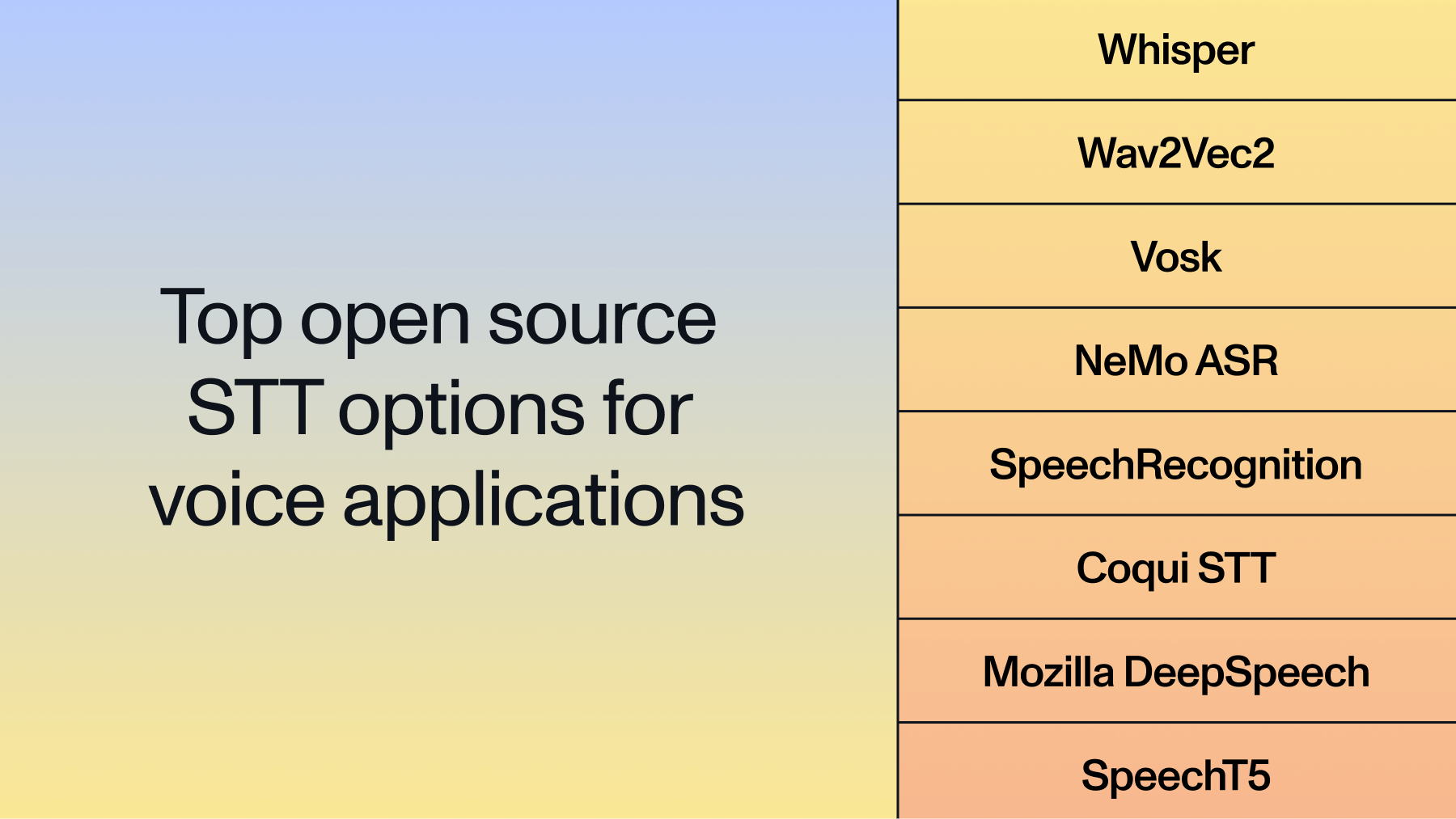
Choosing the right speech toolkit can impact your project’s success. Kaldi stands out among open-source speech processing tools. It offers a flexible and powerful framework. Comparing Kaldi to other toolkits highlights its unique features and challenges. Understanding these differences helps developers decide which toolkit fits their needs best.
Comparison With Whisper
Kaldi focuses on traditional speech recognition methods. It uses Hidden Markov Models and deep neural networks. Whisper relies mainly on end-to-end deep learning models. Whisper offers easy setup and pre-trained models. Kaldi requires more setup but allows deep customization. Whisper works well for quick transcription tasks. Kaldi fits research and complex speech processing projects. Both have active communities supporting users worldwide.
Strengths And Limitations
Kaldi excels in accuracy for custom speech models. Its modular design suits experimentation and algorithm testing. The toolkit supports many languages and dialects. Kaldi needs strong programming skills and time to master. It lacks a simple user interface for beginners. Whisper is easier to start with but less flexible. Kaldi offers detailed control over every processing step. Its documentation is extensive but can be technical.
Use Cases And Applications
Kaldi is ideal for academic research and advanced speech tasks. It is used in voice assistants, speech-to-text services, and language learning apps. Developers use Kaldi to build custom recognition systems. Whisper suits applications needing fast, general-purpose transcription. Kaldi supports noisy environments and varied audio conditions well. It adapts to specific domains like medical or legal transcription. Many companies rely on Kaldi for robust speech solutions.
Future Developments
The future of Kaldi holds exciting possibilities for speech technology. Developers and researchers continue to improve its core features. These updates aim to make Kaldi faster, more efficient, and more versatile. The open-source community plays a vital role in shaping these developments. Their contributions ensure Kaldi stays relevant and powerful in speech processing.
Next-gen Kaldi Enhancements
The next generation of Kaldi will feature improved algorithms. These will boost accuracy in speech recognition tasks. Developers focus on simplifying model training and deployment. New tools will make Kaldi easier for beginners and experts alike. Efforts will increase support for various languages and dialects. This will widen Kaldi’s usability around the world.
Performance Optimizations
Kaldi’s performance will see major improvements in speed. Optimization techniques will reduce computational resource needs. This allows Kaldi to run efficiently on smaller devices. Cross-platform compatibility will get a boost, including mobile and web. Developers target smoother execution for real-time speech applications. Faster processing means quicker results and better user experience.
Expanding Speech Technology
Kaldi will expand beyond traditional speech recognition. Future updates plan to integrate speaker identification and emotion detection. These features add depth to voice-based applications. Kaldi will support more complex audio analysis tasks. This growth opens new opportunities in healthcare, security, and customer service. The toolkit aims to empower developers to create smarter voice systems.
Credit: www.gladia.io

Credit: vapi.ai
Frequently Asked Questions
What Is Kaldi In Open Source Text Processing?
Kaldi is an open-source toolkit for speech and text processing. It helps convert speech into written text using advanced algorithms.
How Does Kaldi Support Speech Recognition Tasks?
Kaldi uses powerful models and tools to recognize and transcribe spoken words. It supports various languages and acoustic environments.
Can Kaldi Run Directly In Web Browsers?
Yes, Kaldi can be cross-compiled for Web Assembly. This allows speech processing to happen inside browsers without extra software.
Who Mainly Uses The Kaldi Project?
Researchers, developers, and engineers use Kaldi for speech recognition research. It is popular in academia and industry for creating voice applications.
Is Kaldi Easy For Beginners To Learn?
Kaldi has a steep learning curve but offers detailed tutorials. Beginners can start with simple examples and grow their skills gradually.
Conclusion
Kaldi offers a flexible and powerful tool for text and speech processing. It works well for researchers and developers alike. The open-source nature invites collaboration and improvements. Users can customize Kaldi to fit various projects easily. Its active community helps solve problems quickly.
Exploring Kaldi can deepen your understanding of speech recognition. Start small, learn step by step, and build your skills. Kaldi remains a solid choice for speech and text processing tasks.