The most likely reason for this issue is a lack of available storage space, as icloud not syncing videos often occurs when your account has reached its limit. You can verify your current storage status by navigating to the Settings app on your iPhone or iPad, tapping your name at the top, and selecting iCloud. If your storage bar is full, your device will pause uploads for large media files until you clear space or upgrade your plan. This happens in the vast majority of cases where media fails to transfer to the cloud.
| Cause | How common | How to confirm it | Fix it yourself? |
|---|---|---|---|
| Full storage quota | Very common | Check Settings iCloud usage | Yes |
| Disabled sync toggle | Common | View Photos settings menu | Yes |
| Unstable network connection | Frequent | Run speed test online | Yes |
| Low power mode active | Occasional | See battery icon color | Yes |
| Corrupt cache files | Rare | Restart the mobile device | Yes |
| Software version outdated | Rare | Check system update menu | No |
Check your iCloud video syncing storage
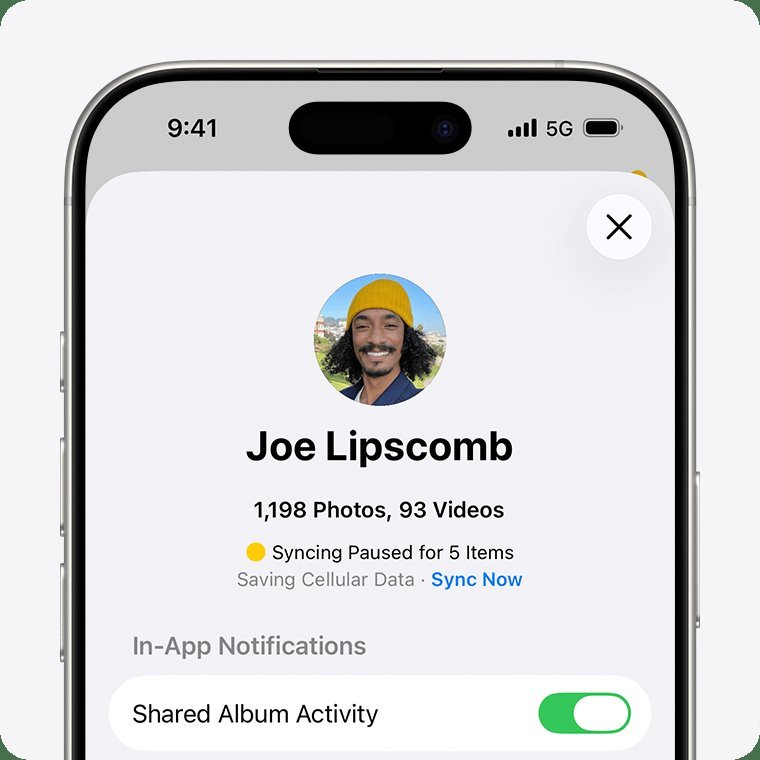
A full storage account is the primary reason your media files remain stuck on your local device. iCloud provides five gigabytes of free space for every user, which fills up quickly when you record high-definition or 4K videos. When you hit this limit, the system stops uploading new content to prevent data loss or service errors.
To confirm this, go to your device settings and look at the storage breakdown bar. If you see that your Photos or Videos section is consuming nearly all available space, you have found the culprit. You can resolve this by either deleting old, unnecessary files or purchasing more storage through the Apple iCloud storage plans page. Upgrading your plan is often the fastest fix if you need to keep your current media library intact.
This process takes only a few minutes to complete once you have chosen your preferred plan. If you choose to delete files instead, remember that removing them from the Photos app also removes them from the cloud if syncing is active. Always check your “Recently Deleted” folder to ensure you have actually cleared the space, as files sitting there still count toward your total quota. If you have a large library, the system may take several hours to recalculate your space after you delete items or change your plan. This assumes you’re using the standard sync feature; for users with shared family albums, remember that shared storage counts against the organizer’s limit.
Network and power settings
If your storage isn’t the issue, your device might be restricting background uploads to save battery or data. Background syncing is designed to pause when the phone detects a weak signal or low battery to ensure your device stays functional for basic tasks.
You can tell if this is the cause by looking at your battery icon; if it’s yellow, your phone is in Low Power Mode. This mode intentionally blocks background tasks like iCloud syncing. To fix this, plug your phone into a power source and ensure you’re connected to a stable Wi-Fi network. Syncing large video files over cellular data is often blocked by default unless you have manually enabled it in your Photos settings.
Check your Photos settings to see if “Optimize iPhone Storage” is selected. This setting moves full-resolution videos to the cloud and keeps smaller versions on your phone. If this is off, your phone will try to push massive files, which takes much longer and requires a very fast connection. If you’re on a slow connection, the sync will appear to hang indefinitely. This varies by model — check the label on your settings menu to see if your specific device version supports faster upload speeds via 5G or Wi-Fi 6. The time it takes to finish depends entirely on your video file sizes and your upload speed, not just your download speed.
Fixing iCloud not syncing videos
Sometimes the internal sync toggle is simply switched off, or a temporary software glitch is preventing the handshake between your device and the server. This happens if you recently restored your phone from a backup or changed your Apple ID settings.
To verify this, go to Settings, tap your name, then tap iCloud, and finally select Photos. Ensure the toggle for “Sync this iPhone” is turned on. If it’s already on, try toggling it off, waiting ten seconds, and turning it back on. This forces the system to re-index your media library.
This fix is usually successful, but it requires the phone to stay connected to power and Wi-Fi while it re-scans your entire library. The time required depends on the number of files you have; if you have thousands of videos, this could take an hour or more. A mistake people often make is closing the Photos app immediately after toggling the switch, which can interrupt the process. Keep the app open or leave the phone charging overnight to let the background process finish properly. If the sync still doesn’t start after a full night of being plugged in, there may be a deeper software issue that requires a technician to inspect your system logs.
The less likely causes
System service outages: Apple may be performing maintenance on their servers. Verify this by checking the official System Status page. If the indicator is yellow or red, wait at least two hours before attempting another upload.
Apple ID authentication: Your session may have expired. Sign out of your Apple ID in Settings, restart your device, and sign back in. This forces a fresh handshake with iCloud servers.
Corrupt video files: A single damaged file can stall the entire queue. If your upload stops at the same percentage every time, delete that specific video. If the queue resumes, the file itself is the culprit.
Restricted background data: Cellular providers often enable data saver settings. Check your cellular settings to ensure “Low Data Mode” is toggled off. If it’s on, your phone will block background uploads to save bandwidth.
Operating system bugs: Outdated iOS versions frequently contain sync-breaking bugs. If your software is more than one version behind, update immediately to restore core functionality.
What a fix usually involves
Most fixes for syncing issues involve changing settings or managing your account data, which costs nothing but your time. Begin by toggling the sync switch off and back on. This simple reset forces the device to re-authenticate with the server.
If you need more storage, you’ll need to pay for a monthly subscription. The cost depends on the tier you choose, ranging from a small monthly fee to a larger amount for massive libraries. You can view these prices directly within your iCloud settings menu.
If your hardware is failing or you have a deeper software conflict, a fix might involve a visit to an authorized service provider. This can be expensive, potentially costing a significant portion of a new device’s price depending on the labor required. Before seeking professional help, always check your warranty status on the manufacturer’s official support portal.
A common mistake is using third-party software that claims to “force” a sync. These tools often corrupt your local data or steal your private login credentials. If your issue persists after checking your storage, network, and settings, contact Apple Support directly.
Use this decision rule: if the device is under warranty or covered by AppleCare, go to an authorized shop immediately. If the device is out of warranty, perform a full factory reset first. If the sync error remains after the reset, the issue is likely a hardware failure that requires professional diagnostics.
Frequently asked questions
Can I sync videos using cellular data?
Yes, you can enable this by going to Settings, then Photos, then Cellular Data, and toggling on “Unlimited Updates.” This assumes your carrier plan has enough data to handle large video files; if your plan has a cap, you may face extra charges. Always check your data usage in the cellular settings menu before turning this on to avoid surprise bills.
Why does my sync stop when I leave Wi-Fi?
It stops because the default settings prioritize battery life and data conservation by blocking large uploads on mobile networks. You can change this in your Photos settings to allow cellular syncing. This is only recommended if you have an unlimited data plan, as high-definition videos consume a large amount of bandwidth very quickly.
How long does a full sync take?
It takes anywhere from a few minutes to several hours, depending on the volume of your media and your upload speed. A library with hundreds of videos on a slow connection will take much longer than a few files on a high-speed fiber connection. Keep the device plugged in to ensure the process doesn’t pause due to low battery.
Is it safe to sign out of iCloud to fix this?
Yes, it’s safe, but be aware that signing out will remove your synced data from the local device cache. Your photos and videos remain stored on Apple’s servers, but they will need to be downloaded again once you sign back in. Ensure you have a stable internet connection before you start this process to avoid any interruptions.
What happens if I delete a video while it’s syncing?
The sync process will likely fail for that specific file, and the file will be removed from your queue. If you delete it from your device, it will be moved to the Recently Deleted folder for thirty days before being permanently removed. If you want to keep the video in the cloud, ensure it has finished syncing before you delete it from your local storage.
Does it matter if my iOS version is old?
Yes, using an outdated version of iOS can cause compatibility issues with current cloud services. Apple frequently updates the syncing protocols to improve security and performance. If you’re running a very old version, the system may simply stop supporting your device for new uploads. Check the software update section in your settings to see if an update is available.
Final Thoughts
If the problem persists after checking your storage, try connecting your device to a reliable Wi-Fi network and leaving it plugged into power overnight. This gives your phone the best chance to finish those pending uploads. You’ll find that your videos sync much more smoothly once you’ve got a stable connection.
Related guides