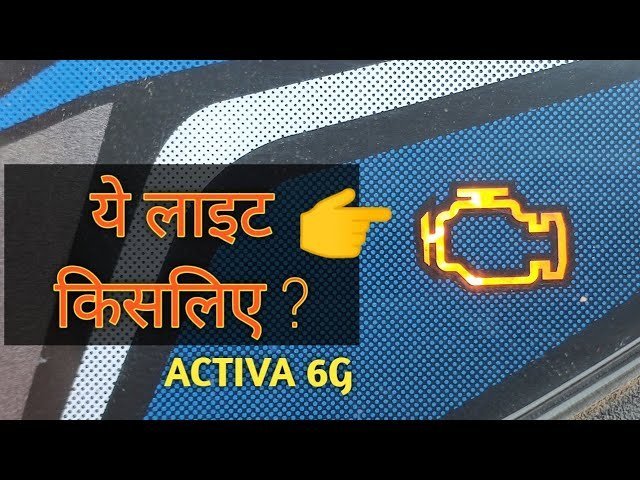
A loose battery terminal or a failing sensor is the primary reason for an activa 6g engine light blinking on your dashboard. You can safely operate the scooter if the light blinks steadily while you ride, but you should avoid long trips until you identify the fault. To check the cause immediately, turn the ignition key to the ‘on’ position and count the number of long and short flashes from the light. This pattern acts as a diagnostic code that points toward the specific sensor or electrical component that needs your attention today.
Why your Activa engine light is blinking
| What you notice | What it usually means | What to do first |
|---|---|---|
| Light blinks constantly | Faulty sensor signal | Check wire connections |
| Flickering while riding | Loose battery terminal | Tighten the screws |
A constant blink often points to a corroded pin in the harness. If you see this, pull the connector and look for green oxidation. A simple spray of contact cleaner usually fixes the signal path.
When the light stays solid, the ECU has lost its handshake with the sensors. A hard reset involves disconnecting the negative battery terminal for ten minutes. If the light returns immediately, the ECU itself may be failing.
Flickering while riding is an electrical issue, typically caused by a loose connection or voltage fluctuation. Vibration causes loose terminals to arc. Check the terminal screws with a screwdriver or socket driver to ensure they’re secure.
If the light blinks with a dim dash, don’t ignore it. A battery with insufficient charge will cause erratic sensor behavior. If you suspect this issue, have a technician test the battery before it leaves you stranded.
Many riders mistake a temporary glitch for a permanent fault. If the light clears after a restart, ride for ten miles. If it stays off, the system is likely healthy. Only worry if the code returns within three ignition cycles.
Sensor connection failure
A poor electrical connection at the sensor plug is the most common cause of the warning light. Vibration from the road often shakes the small plastic clips loose, causing the Electronic Control Unit (ECU) to lose communication with vital engine parts. If the connection is loose, the signal becomes intermittent, which makes the light blink as the system tries to reconnect.
To confirm this, locate the main sensor plugs near the engine block and air filter housing. With the engine off, gently wiggle each connector to see if they feel firm or loose. If a plug moves easily, it’s likely the culprit. You can fix this by unplugging the connector, cleaning any dust or grime from the pins with a dry cloth, and pushing it back until you hear a distinct click.
If the light stops blinking after you secure the plug, the system has regained a steady signal. If the light persists, the issue might be a broken wire hidden inside the protective sleeve. This varies by model — check the label on your specific scooter’s fuse box to see if there’s a dedicated fuse for the Electronic Fuel Injection (EFI) system. If the fuse is blown, the light will continue to blink regardless of the sensor state.
You should never force a plug into place if it feels stuck; doing so can snap the plastic tabs, which often leads to a full wiring harness replacement costing hundreds of dollars.
When inspecting the pins, look for signs of green or white corrosion. This oxidation acts as an insulator, blocking the low-voltage signals required for engine timing. If you see this buildup, apply a small amount of electrical contact cleaner rather than scraping the pins with a metal tool. Metal tools can bend the delicate female terminals, creating a permanent gap that no amount of wiggling will fix.
Use this decision rule: if the connector feels tight but the light remains, check the fuse box first. If the fuse is intact, the problem is likely a frayed wire located within three inches of the plug. This is a common area where engine vibration causes metal fatigue. Inspect this short length of wire for any visible kinks or exposed copper strands before assuming the sensor itself has failed.
Low system voltage
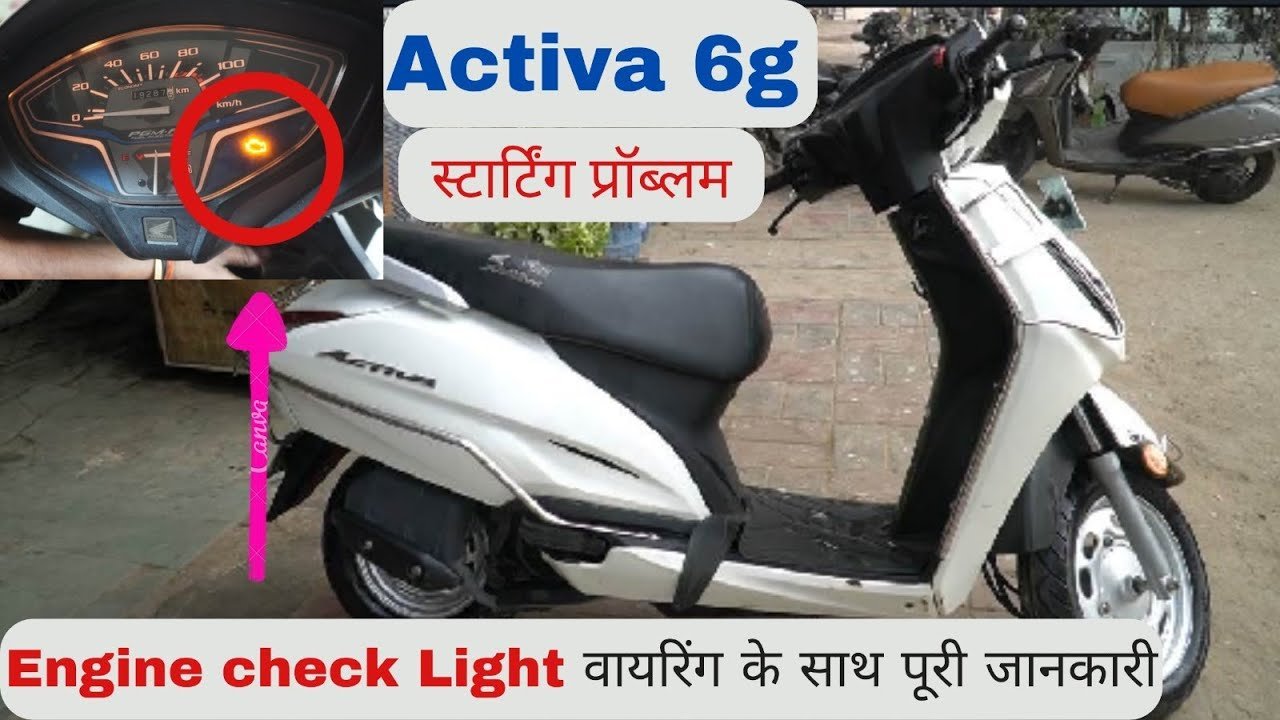
A weak battery often triggers the engine light because the scooter’s computer requires a stable flow of electricity to function correctly. When the battery charge drops below a certain threshold while the engine is off, the ECU marks a “low voltage” fault code. This causes the light to blink as a warning that the electrical system can’t support the fuel pump and ignition timing reliably, a condition that should be diagnosed by a professional.
To check this, have a technician measure the battery charge when the engine is turned off. A healthy battery should read within the manufacturer’s specified range. If the reading is too low, the battery is likely discharged or nearing the end of its life. This assumes the battery is a standard lead-acid type; for lithium-based upgrades, the healthy range can differ, so always consult the official Honda owner’s manual for your specific battery specifications.
The most common mistake is testing voltage immediately after turning the engine off. Surface charge can create a false high reading. Wait at least thirty minutes after riding before taking your measurement to ensure the reading reflects the true chemical state of the battery.
If the voltage is low, try charging the battery for at least four hours using a dedicated motorcycle charger. If the light stops blinking after the battery is fully charged, you have found the issue. However, if the voltage drops again within a few days, the battery can no longer hold a charge and must be replaced.
Use this decision rule: if the battery holds a sufficient charge but the light returns after a ride, your charging system—specifically the stator or regulator—is likely failing. If the battery fails to hold a charge even after a full cycle, the internal plates are sulfated and the battery is dead. This is a job for a technician, as improper testing can lead to a short circuit.
Faulty oxygen sensor
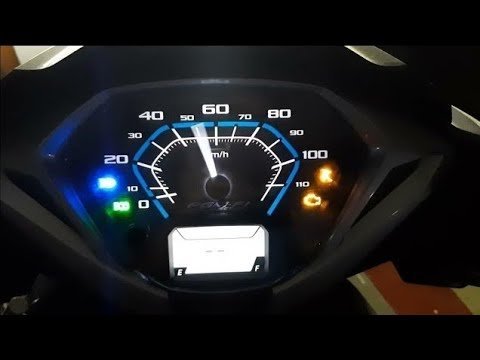
The oxygen sensor monitors exhaust gases to ensure the engine runs efficiently, and it’s a common point of failure on higher-mileage scooters. When this sensor fails, it sends erratic data to the ECU, which triggers the blinking light to alert you that the air-fuel mixture is potentially incorrect. Unlike a loose battery connection, this issue often occurs alongside a noticeable drop in fuel economy or a rough idle.
You can tell this apart from other causes because the light will usually blink in a specific, repeating pattern rather than a random flicker. If the engine also feels sluggish or hesitates when you twist the throttle, the oxygen sensor is the likely cause. To verify this, look at the exhaust pipe for signs of heavy black soot, which indicates the engine is burning too much fuel.
A common mistake is ignoring the light until the engine loses power. This delay forces the ECU to stay in “open loop” mode, which dumps excess fuel into the cylinders. This eventually fouls your spark plug and creates carbon deposits on the piston head. If you notice a drop in mileage exceeding 15 percent, stop riding immediately to prevent permanent internal damage.
If your scooter has covered more than 10,000 miles, the sensor is the first thing a technician will check. If you aren’t comfortable working near the hot exhaust system, take the scooter to a qualified mechanic. They have the diagnostic scanner needed to clear the specific error code from the memory, which is often required to stop the light from blinking permanently. If you replace the unit yourself, always apply anti-seize compound to the threads. Without this, the sensor will fuse to the pipe within 5,000 miles, requiring a complete exhaust replacement.
When to stop and get help
Engine knocking sounds: If you hear deep metallic clunking from the engine, stop immediately to avoid catastrophic internal damage that requires a full rebuild. A rhythmic “pinging” at high speeds often suggests low-grade fuel, but a heavy, low-frequency clunk indicates a loose connecting rod or failed bearing. If you feel a physical vibration through the floorboard that matches the sound, the engine is already suffering internal trauma.
Total power loss: If the scooter shuts off while you’re moving, don’t attempt to restart it as this indicates a severe electrical or fuel system failure. Repeated ignition attempts can fry the starter relay or melt the wiring harness if a short circuit is the culprit. Coast to the shoulder and check the main fuse box for signs of heat damage before touching the ignition switch again.
Burning smell or smoke: Any sign of melting plastic or acrid smoke means an electrical short is present, which carries a high risk of fire. Don’t wait to see if the smoke dissipates. Disconnect the battery terminal immediately if it’s accessible without tools. A single frayed wire touching the frame can ignite the entire fuel line within minutes.
Fuel leakage: If you smell raw gasoline or see drips under the engine, stay away from the scooter and contact a professional to prevent a fire hazard. A leak usually originates from a cracked fuel line or a stuck carburetor float. If the puddle is larger than a dinner plate, don’t move the scooter and contact a professional to address the leak.
If the blinking light persists after you have checked the battery and the sensor plugs, you need a professional technician. They use an OBD (On-Board Diagnostics) scanner to read the exact fault code stored in the ECU. Attempting to bypass these safety systems or ignoring persistent warnings can void your warranty and lead to expensive repairs that you could have avoided by addressing the issue early.
Related guides