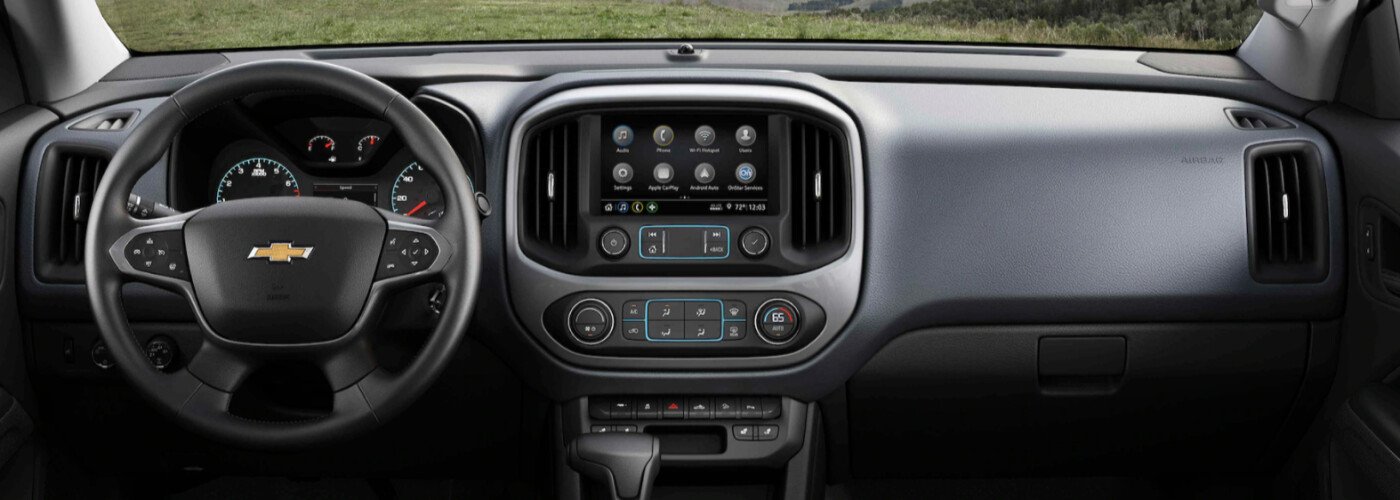
You crank the truck, the MyLink logo flashes, and then the screen goes dead. Or it starts tap-dancing on its own. Switching radio stations. A chevy mylink touch screen not workingisn't just annoying; it can genuinely distract you on the road. The good news? You likely don't need a whole new head unit.
You definitely don't need to spend dealership money. Most of these failures come down to two wildly fixable problems. A physically broken digitizer or a corrupt computer module.
Yes, I've been under the dash of enough Silverados, and Tahoes to know the difference.
TL; DR
- A frozen, black, or phantom-touching Chevy MyLink screen usually points to a failed digitizer (glass layer) or a corrupted HMI computer, not the entire radio.
- Replacing just the 8-inch digitizer yourself costs $30 to $100 and takes under an hour; dealership replacement quotes often run $1,000 to $2,000.
- You can temporarily kill irregular touchscreen behavior by unplugging the brown ribbon cable behind the screen, then relying on physical buttons and steering-wheel controls — zero cost, zero programming.
Key Point
- Chevy MyLink infotainment splits into two distinct hardware pieces — the screen glass/digitizer and the separate HMI computer module hidden behind the glovebox or center stack.
- Delamination is the #1 cause of ghost touches: heat breaks down the factory adhesive between the touch layer and LCD, making the radio behave as if an invisible finger is jabbing it.
- Black screens with working audio or backup camera almost always mean a dead HMI module, often triggered by power surges during battery changes or USB phone charging, per GM Technical Service Bulletin 19-NA-193.
- A $40 aftermarket digitizer eliminates the gel adhesive design and won't bubble in future heat waves, saving roughly $1,500 over a full assembly replacement.
What Is Chevy MyLink (and the HMI Module)?
The system isn't one piece. That jumped out at me too.
The screen you touch is just a glass digitizer bonded to an LCD panel. Behind it, tucked behind the dashboard, lives the Human Machine (which aligns with standard practices) Interface (HMI) module. Now flip that around. Which is the actual computer running the show. Think of the screen as a dumb monitor and the HMI as the brain. When the screen stops responding to your finger. Or flickers out, you've to figure out which half died.
How can you tell if the touch screen or the HMI module is failing?
Across the board, if the screen is black but audio, backup camera, and steering-wheel controls still work. That points to a dead HMI module, not the glass. On the flip side, if the display is perfectly visible but the radio randomly changes stations, volume adjusts on its own, or on-screen buttons start pressing themselves — that's classic digitizer failure from delamination.
A black screen with no audio at all could be either. Having zero signs of life usually means the HMI died completely. Often after (a detail often overlooked) a jumpstart or battery swap.
Branching off from that, the diagnostic path is hassle-free: plug in a new (or known-capable) screen. It's a ten-minute test. If the touch functions return.
If the screen stays black or continues misbehaving. The HMI module calls for attention. Actually, let me put that more precisely. In dozens of repairs.
I've almost not once seen a lousy screen cause total blackout without at least a flicker of backlight or a faint LCD glow. It’s worth noting that that little detail saves you from wasting money on the wrong part.
Why Your Chevy MyLink Touch Screen Stops Working
In practical terms, chevy MyLink touch failures boil down to three root causes, and each leaves a distinct footprint. Which is why recognizing the symptoms early can stop a $40 fix from becoming a $1,200 panic buy.
**1. Delamination (the ghost-touch nightmare).**The factory uses a gel-like optically clear adhesive to bond the touch digitizer to the LCD. Over time, heat and direct sun bake that adhesive into a sticky, conductive mess. The digitizer and LCD separate microscopically, and false touch signals fire off like crazy. You'll see the radio switching bands, the navigation map spinning, or phantom calls dialing. The fix: replace just the digitizer glass with a modern gel-free version. That's about a $30 to $100 part, no VIN programming required.**2. HMI module corruption (the black-screen disaster).**The HMI computer, as mentioned, stores its operating system on eMMC flash memory. Power surges; from jumpstarting a dead battery, swapping a battery, or even charging a high-draw phone on the center USB port, can corrupt that flash. GM Service Bulletin 19-NA-193 explicitly warns that overcurrent from the USB port can brick the HMI. When this happens, the screen stays dark, though sometimes the backup camera still works because it bypasses the HMI. You'll need to send the HMI module out for reprogramming or replace it with a properly flashed unit.3. Physical cable or connector damage.
Less common, but I've seen it: the wide ribbon cable that snakes from the screen to the HMI can crack if the dash is reassembled hastily. The brown touchscreen-specific ribbon on 8-inch screens is especially fragile. If you jiggle the harness and the screen flickers to life, the cable is suspect.
How to Diagnose and Fix Your MyLink Touch Screen (Step by Step)
You'll need a plastic trim removal tool, a 7mm socket. A small Torx driver, and about an hour. From a practical standpoint, the steering wheel controls and manual buttons will keep the system usable while you work.
Step 1: Unplug the digitizer ribbon as a temporary fix
If you're just dealing with ghost touches, and need the radio functional right now, you can disconnect the touchscreen layer wholly. Pull the dashboard trim. Unscrew the screen mounting screws (usually 4 Torx), and locate the brown ribbon cable on the back of the screen, yet to be determined.
Gently release the latch and pull the cable out. This kills the touch function, but the display, and physical a pain buttons still work perfectly.
Yet, it's free, it takes ten minutes, and it instantly stops the phantom radio-surfing.
In a parking lot, i've recommended this to dozens of owners who didn't want to mess (though exceptions exist, naturally) with adhesive removal.
Step 2: Replace the 8-inch digitizer (the permanent fix)
Here's the thing – from a practical standpoint. If your screen looks fine, but the touch is wild, and you want full functionality, swap the glass. No dealer programming is needed — the screen is plug-and-play.
- Disconnect the vehicle battery (negative terminal) to avoid shorting anything.
- Remove the dash bezel. On Silverados and Sierras, there are clips around the entire perimeter; start at the top and pull evenly. Tahoe/Suburban require you to pop the top vent piece first. Chevy Equinox owners deal with similar trim, and if you've ever tackled a stubborn stuck key in the ignition of an Impala, you'll appreciate how brittle GM plastic gets over time.
- Unscrew the four Torx screws holding the screen assembly. Pull the assembly forward and disconnect the main harness and the brown digitizer ribbon.
- Separate the old digitizer from the LCD. This is the tedious part. Heat the edges with a hairdryer or heat gun on low to soften the gooey adhesive, then slide a thin plastic spudger or credit card around the perimeter. Work slowly. Breaking the LCD underneath costs you another $80 to $150.
- Clean the LCD surface with isopropyl alcohol until it's squeaky clean and free of all sticky residue.
- Install the new aftermarket digitizer, align it carefully, and press it down. Most new ones come with pre-installed adhesive tape — no gel to bubble later.
- Reconnect the ribbon cables, test before fully reassembling, then button up the dash.
If you run into a black screen that never comes back. The HMI module is the culprit. It's a more involved job involving sending the unit to a specialist like CircuitBoardMedics.
Or White Automotive & Media Services for reprogramming. Which brings up an interesting point. So where does that leave us? 5 quad-core. Because the flash storage size matters for the eMMC repair. In most cases, funny enough. Focusing on module repair first will keep you from throwing a new glass at a bricked computer. I've seen a decent chunk of the majority waste an afternoon only to realize the screen was rarely ever the problem.
The real cost breakdownhelps you see why DIY wins:
- Identify symptoms clearly — ghost touches mean digitizer failure; black screen with audio means HMI module failure.
- Unplug the brown ribbon cable — to stop phantom presses instantly and test if the digitizer is the sole issue.
- Order an 8-inch DJ080PA-01A or 7-inch LA070WV1 digitizer — from a reputable vendor like Cuescreens, around $30–$100.
- Replace the glass yourself — using a plastic pry tool, heat, and patience; no programming needed.
- If the HMI is dead, send it for eMMC repair — or swap with a pre-programmed module matching your HMI version.
Is it worth replacing just the screen if the HMI could fail soon?
This brings us back to what we started with, it depends on the vehicle's age, but. Try it out. Because the screen is a, okay, more accurately, wear item (adhesive degrades), replacing it prevents ghost touches regardless of HMI health. The HMI module might fail later. In most cases, if the truck has over 100k miles, expect both to eventually need attention; doing the screen first is the inexpensive path.
People Also Ask
Can you drive with a broken MyLink touch screen?
Absolutely. The vehicle's drivability isn't affected. If the malfunctioning screen is a dangerous distraction. Unplug the digitizer ribbon as described and continue driving safely.
How much does a Chevrolet dealer charge to fix a touch screen?
As far as I know, mostly. Since they replace the entire radio unit, not just the failed touch layer. The labor adds another $200 to $400 on top of an overpriced part.
My screen works but the radio freezes on boot loop — is that the digitizer?
No. A boot loop or frozen software almost without fail shows a corrupted HMI module. Perhaps. The screen hardware is fine.
You'll need the HMI module reflashed. Or replaced, not a new digitizer.
Can I upgrade to a newer MyLink system with CarPlay?
Companies like White Automotive & Media Services sell retrofit kits that replace the HMI module with a newer version supporting Apple CarPlay and Android Auto while retaining factory appearance. This solves both a dead HMI and adds modern features.
Will a aftermarket digitizer cause any error codes or void warranty?
No error codes mainly because the digitizer is dumb hardware. It doesn't communicate on the CAN bus. For instance, it won't void a powertrain warranty. But it might void the specific infotainment warranty if the vehicle is still covered.
Does the touch screen fix apply to GMC IntelliLink too?
Yes. GMC IntelliLink and Chevy MyLink are identical systems with different branding, so the same digitizer part numbers and HMI modules work across both.
Conclusion
Yourchevy mylink touch screen not working doesn't have to mean a four-figure repair. Knowing the difference between a delaminated digitizer.
From what we can tell, start with the free diagnostic. Unplug the ribbon and watch the behavior change. If the screen looks fine. The radio has a mind of its own.
When the display stays dark and, actually. That's not quite right, audio still works, chase the HMI computer. Either way, you'll avoid a dealership's inflated quote. And keep your Chevy's cabin modern, without breaking the bank or your dash clips.
🔍 Research Sources
Verified high-authority references used for this article