You’re merging onto a highway at 65 mph and suddenly the tach needle drops. The car loses all pull, you've maybe 25 seconds to find a shoulder before you’re a sitting duck. That’s not a hypothetical nightmare; it’s the terrifying reality of Hyundai’s 8-speed wet dual-clutch transmission (DCT) fail-safe glitch. A defect that triggered a massive recall of over 120,000 vehicles. Make of that what you'll.
In most cases, veloster N, or Elantra N. You could be driving on borrowed time.
TL; DR
- Hyundai's DCT transmissions suffer from a soldering flaw in the electric oil pump, triggering a complete power loss with only a 20–30 second window to pull over safely.
- Over 120,000 vehicles are affected under NHTSA recall 22V746000, but many owners face months-long waits for TCU replacements while experiencing unsettling low-speed jerking.
- The 10-year/100,000-mile powertrain warranty covers the fix for original owners, yet second-hand buyers get slashed coverage, leaving them with repair bills exceeding $3,500 if the DCT fails outside warranty.
Key Point
- Hyundai's fail-safe cuts power abruptly — not gradually, so you lose acceleration during critical maneuvers like merging.
- The electric oil pump's circuit board soldering cracks under heat cycles, causing the TCU to misread pressures and shut down the transmission.
- Dealerships often dismiss low-speed shuddering as "normal DCT behavior," but if you feel regular jerking, it’s worth pressing for a software update.
- Used car buyers must verify recall repair completion; without it, you’re gambling with a $3,500+ repair bill on a 5-year/60,000-mile warranty.

What Are Hyundai Transmission Problems All About?
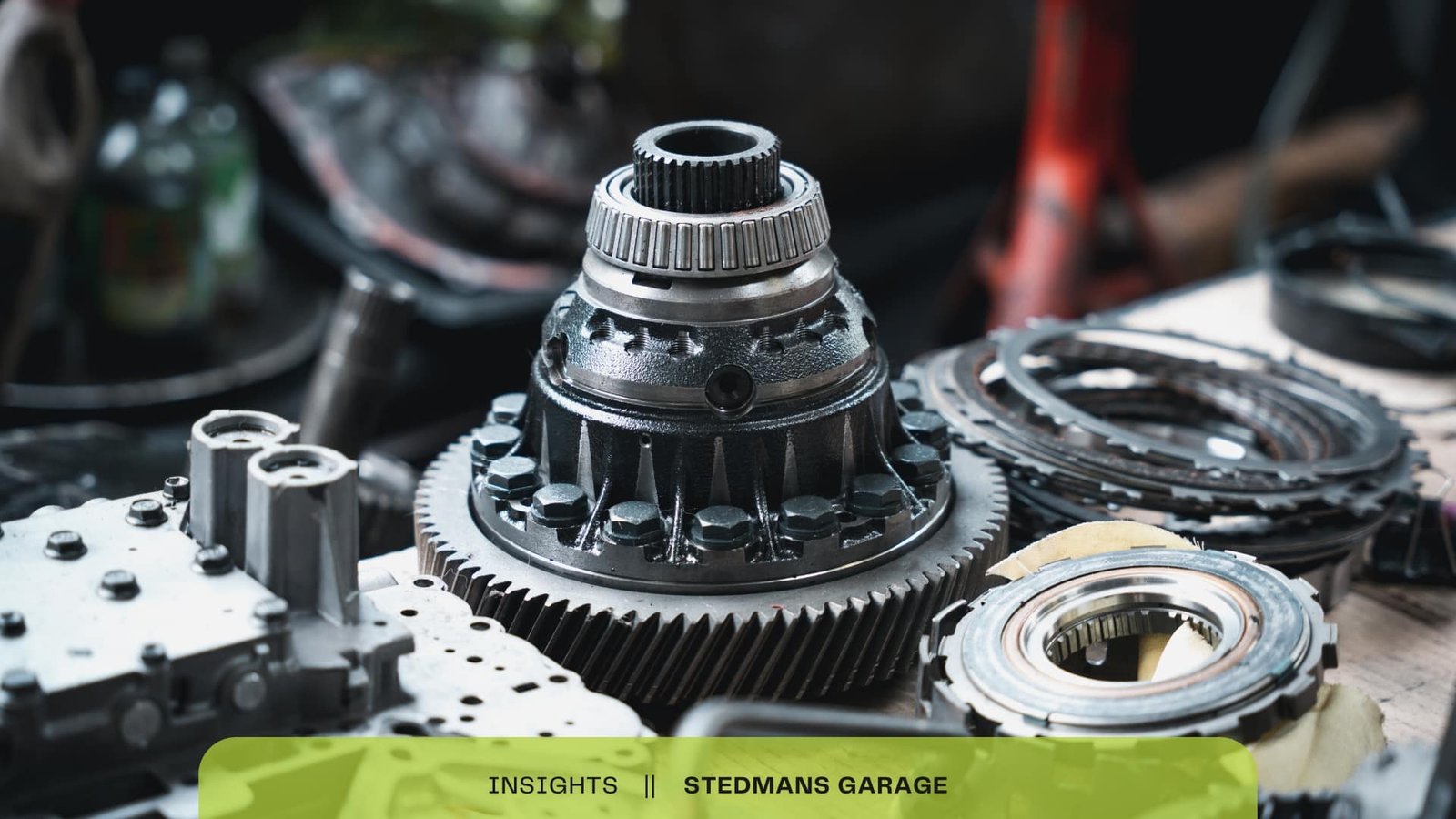
Hyundai transmission problems center on a manufacturing defect in the 8-speed wet DCT's electric oil pump, which can cause a sudden loss of drive power, the car basically shuts itself off to protect internal components, leaving the driver stranded with just seconds to react.
Now, recall ID NHTSA 22V746000 covers over 120,000 units, including 2021–2022 Santa Fe, Sonata, Veloster N, Elantra N, and Kona N. That's not a small shift. The root cause? A hairline crack in the solder joint on the electric oil pump’s circuit board. When that happens, the transmission control unit (TCU) sees implausible pressure readings and throws the transmission into a complete clutch disengagement.
No warning, no gradual loss, you’re coasting. Actually, the fail-safe logic is supposed to protect the internals from total destruction.
“The biggest risk isn't just the mechanical failure, but the 'fail-safe' logic that cuts power completely to protect the internals, sometimes at the worst possible moment on the road.”
Because Hyundai and Kia share the same DCT platform. Similar issues plague the Kia Soul, something we covered in 7 Warning Signs of Kia Soul Transmission Problems. Aside from the DCT drama, Hyundai’s Intelligent Variable Transmission (IVT) in the Elantra, so where does that leave us? Venue has its own grating habits. Including belt slippage that feels like the engine free-revving. Read about that in 5 Hyundai Elantra Transmission Problems That Can Leave You Stranded.
The Electric Oil Pump Flaw That Triggers the Limp Mode
A hairline crack in the oil pump’s circuit board solder joint is all it takes to convince the transmission control unit that line pressure is dangerously low, so it commands an instant clutch disengagement; and you’re coasting.
) The 8-speed wet DCT is a performance unit capable of fast shifts. That's a significant gap, and high torque handling, but the soldering on the oil pump’s circuit board was a clear manufacturing weakness.
“The 8-speed wet DCT is a high-performance unit, but the soldering on the oil pump's circuit board was a clear manufacturing weakness that triggered a massive safety response.”
When the solder joint cracks from repeated heat cycling. Erratic pressure values flow to the TCU. The software, Granted, is programmed with narrow fault tolerances, any mismatch trips the fail-safe, and honestly, the recall service updates the TCU to widen those tolerances.
If needed, replaces the oil pump, but here’s the kicker: if the physical crack is severe. A software patch only masks the problem.
What Driving a Hyundai With a Failing DCT Feels Like
You’ll experience a sudden, complete loss of acceleration; engine revs up but nothing moves, often described as the car “just stopped revving.” There’s no warning, and you've about 20 to 30 seconds of momentum to get to safety.
Owners describe a gut-wrenching helplessness when it happens.
“I was merging onto the interstate when the car just stopped Revving. I had almost no time to get to the shoulder.”
In most scenarios, apart from total power loss. Many feel a low-speed lurch that dealers dismiss as “normal dual-clutch behavior.” Another user said:
“The dealership says the ‘jerking’ at stoplights is normal for a dual-clutch, but it feels like the car is about to stall.”
Looking at this from another angle, that shuddering can be the early sign of a flaky oil pump. Unlike the Chevy Colorado’s transmission shudder that feels like rumble strips. Hyundai’s DCT failure is a clean, terrifying cut of power. Read about that shudder phenomenon in Chevy Colorado Transmission Problems That Feel Like Rumble Strips.
The Warranty Gap That Could Bankrupt You
Original owners get Hyundai’s stellar 10-year/100,000-mile powertrain coverage, which pays for the DCT repair. Used car buyers, however, are only covered for 5 years or 60,000 miles, meaning a post-warranty failure could set you back over $3,500 out of pocket.
From a broader view, then again, that warranty drop is brutal, and honestly, what this means is a dual-clutch assembly replacement can easily hit $3,500 to $4,500, and the electric oil pump part alone is pricey.
Hyundai may cover a rental during the repair for original owners, but the communication is all the time terrible, many waited two months. If you're a second owner, you’re on your own once that 60,000-mile mark passes — which is why similar financial shocks await Kia Forte drivers (see our 7 Kia Forte Transmission Problems You’ll Wish You Knew About Sooner) when the contamination spreads. That's not a small shift.
Store this one. It ties everything together later.
Your Emergency Playbook When the Transmission Dies
If you lose power while driving, hit your hazards immediately, hold the wheel steady, and coast to the shoulder. Don't attempt to restart the car while rolling — that can clear error codes the dealer needs for diagnosis and might cause further damage.
After coming to a stop. The evidence is there. You can try turning off the ignition, waiting a minute, and restarting. Sometimes limp mode resets, and you can limp to a safe location, but For instance, pick up it towed.
“Drivers often confuse the natural mechanical engagement of a DCT with a transmission slip. It's an automated manual, not a traditional torque-converter automatic.”
That means what feels like a violent slip can be the DCT’s clumsy engagement, but when it fails entirely, the shut-down is unmistakable.
- Activate hazard lights and coast — maintain steering control; do not slam brakes.
- Shift to Neutral, then stop safely — once on the shoulder, shift to Park and shut off engine.
- Wait one minute, then restart — if the transmission re-engages, drive gently to the nearest dealer or safe location.
- Call roadside assistance and insist on a flatbed tow — Hyundai’s roadside may cover it under the warranty or recall.
Frequently Asked Questions
Is the Hyundai transmission recall still active?
Yes. NHTSA Campaign 22V746000 remains open, and Hyundai continues to repair affected vehicles free of charge. Even if you didn’t get a letter, your VIN may still qualify, check the official portal.
Can I drive my Hyundai if it has gone into limp mode briefly?
You might be able to restart the car, and drive a short distance, but it’s risky. Limp mode is a protection triggered by a failing sensor. Or circuit; the problem will likely recur. Potentially at higher speed.
Does a software update fix the transmission problem permanently?
Not always. The recall software tweaks the TCU’s pressure monitoring thresholds. Masking erratic readings from a cracked solder joint. But if the physical board damage worsens, the pump must be replaced.
What’s the average repair cost if I’m out of warranty?
Picking up that thread from before, replacing the dual-clutch assembly or the electric oil pump can exceed $3,500. Some independent shops may offer rebuilding services. But finding parts can take weeks.
Conclusion
But then again, hyundai’s DCT issue is serious and can strand you without warning. By staying told, verifying recall completion, and knowing your emergency steps. You can keep yourself safe and avoid massive repair bills.
If you’re a used buyer. Actually, I’d rather own a car with a recall that’s well-understood than one with hidden random failures. At least there’s a known action plan.
Check your VIN today. Push for the latest software. ” Your safety isn’t (and rightly so) up for debate.
🔍 Research Sources
Verified high-authority references used for this article