The most common reason for an indesit fridge light not working is a burned-out bulb or a stuck door switch that prevents the light from activating when the door opens. You can usually fix this by replacing the bulb or cleaning the switch area. If the appliance has a LED module, the repair is more complex and often requires a professional technician.
Why your Indesit fridge light not working
The light system in your refrigerator relies on a simple circuit that closes when the door opens. When the switch is depressed by the closed door, the light turns off to save power and prevent heat buildup inside the cool compartment.
The most frequent cause is a simple filament failure in an incandescent or halogen bulb. These bulbs have a limited lifespan and vibrate every time the door is moved. Eventually, the filament snaps, and the light stops glowing. If your model uses an LED light, the failure is rarely the bulb itself but rather the control board or the wiring harness that powers the module.
Another common cause is a stuck or dirty door switch. This is a small button located in the door frame. Over time, food spills, dust, or sticky residue can cause the button to stay in the “closed” or depressed position even when the door is open. If the fridge thinks the door is shut, the light remains off.
Finally, check your power supply. If the fridge itself is running but the light is off, the issue is internal. However, if the fridge is also not cooling, the unit may have tripped a breaker or lost power at the outlet.
Check the door switch
The door switch is the small, spring-loaded button usually found near the top or side of the fridge door frame. This fix is for people who suspect the light is fine but is simply not receiving the signal to turn on.
If you press the button with your finger and it feels stuck, gritty, or does not “click” back out, it’s likely jammed. Use a clean, damp cloth to wipe around the edges of the switch. If there’s sticky residue, use a very small amount of mild soap on the cloth, but ensure no liquid drips into the internal wiring.
If the switch feels loose or doesn’t spring back at all, it may be broken internally. Don’t attempt to pry the switch out of the housing, as this can damage the plastic frame or pull wires loose. If cleaning doesn’t restore the “click,” you have reached the limit of a do-it-yourself repair. This is the point where you should contact a professional service technician. If you’re under warranty, don’t attempt any modification to the switch, as this often voids your coverage. Always verify your warranty status before calling a repair service to avoid unnecessary costs.
Replace the light bulb
If the switch is working correctly, you should inspect the bulb. This fix is for units that use standard screw-in or push-fit bulbs. Before you start, unplug the refrigerator from the wall outlet to ensure there’s no risk of electrical shock.
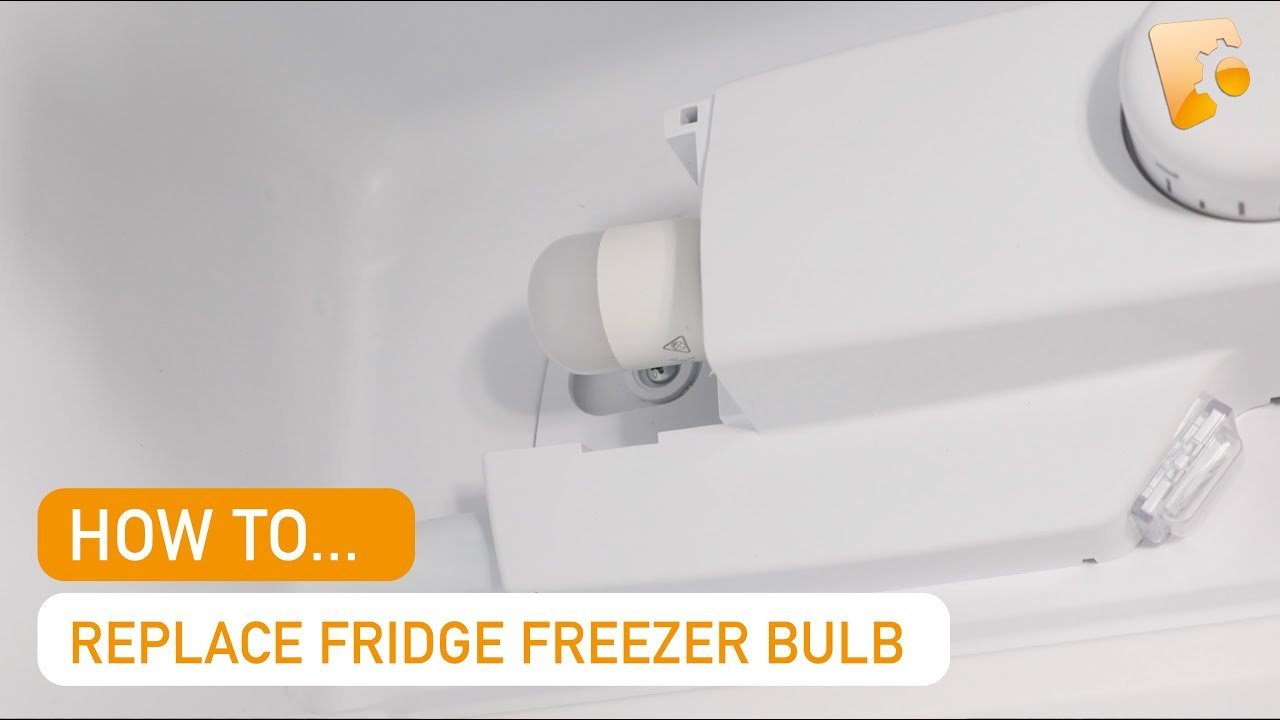
Locate the light cover inside the fridge, usually near the top shelf. Most covers have a small tab you can gently press to release the plastic housing. Once removed, check the bulb. If the glass is dark or the filament inside looks broken, it needs replacement.
When buying a new bulb, you must check the label inside your fridge or the original user manual for the exact wattage and base type. If your fridge uses a screw-in bulb, twist it to remove it; if it uses a push-fit bulb, pull it straight out. Never force a bulb that doesn’t fit easily.
Using a bulb with higher wattage than the manufacturer recommends can generate excessive heat, which may damage the plastic light housing or the fridge’s temperature sensors. A common mistake is using a standard household incandescent bulb instead of an appliance-rated one. Standard bulbs aren’t designed to withstand the cold, moist environment of a freezer or fridge, leading to premature failure.
If you see charred plastic around the socket, don’t install a new bulb. Instead, call a qualified repair person to inspect the socket wiring. This discoloration indicates an electrical short that could pose a fire hazard if left unaddressed. Always ensure the replacement bulb is rated for appliance use to prevent similar damage.
Consult a professional technician
When the light is an integrated LED module, the fix isn’t a simple bulb swap. LED systems are typically hard-wired into the fridge’s control board. If the light doesn’t work and the door switch is clean, the issue often lies with the control board or the LED strip itself.
This is the point where you must stop and call a professional. Working with integrated electronics carries a risk of voiding your warranty or causing further electrical damage to the appliance. A professional has the tools to test the voltage at the socket and determine if the control board is sending power to the light.
It’s rarely worth trying to bypass these systems or perform soldering on control boards yourself. If you aren’t comfortable with electrical repairs, a certified technician is the safest choice. They can confirm if the failure is a simple wiring harness issue or a faulty main board. If the quote for repair is close to the cost of a new fridge, you should weigh the age of your appliance against the cost of the repair. Never attempt to open the control board housing or touch internal components, as some parts, such as the capacitor, can hold a lethal electrical charge even when the unit is unplugged.
What not to do
Don’t use a metal screwdriver to pry the light cover off. Metal edges easily crack the brittle plastic housing or cause a short circuit if you graze live terminals. Use a plastic trim tool or a dull butter knife instead.
Don’t replace an LED module with a generic bulb found online. These modules are proprietary and require specific voltage regulation. Using an incompatible bulb triggers the control board to error out, often disabling the entire lighting circuit.
Don’t ignore a burning smell near the light housing. This scent indicates a wiring fault or overheating insulation that requires immediate professional attention. Ignoring this sign can lead to a fire hazard within the appliance cabinet.
Don’t force the door switch with excessive pressure. You’ll likely snap the delicate plastic mounting clips, leaving a permanent gap in the door seal that compromises temperature regulation. If the switch feels stuck, use a damp cloth to clean sticky residue from the plunger first.
Don’t attempt to bypass the door switch by taping it down or using magnets. This keeps the light on constantly, generating enough heat to damage nearby food or melt the interior liner. If the light stays on with the door closed, the switch is faulty and must be replaced.
How to stop it happening again
Keep your fridge light working by maintaining the door seal and keeping the light cover free of dust. This varies by model; check the label inside your fridge for the maximum bulb wattage allowed.
| If you’re doing this | Do this instead | Why |
|---|---|---|
| Slamming the fridge door | Close it gently | Protects the switch and bulb filament |
| Storing tall items near the light | Move them to the bottom | Prevents damage to the bulb cover |
| Leaving the door open too long | Close it promptly | Reduces heat stress on the bulb |
| Using high-wattage bulbs | Use the recommended rating | Prevents melting the light housing |
Most people make the mistake of replacing a flickering bulb without checking the switch plunger first. If the light stays off after a new bulb is installed, press the spring-loaded switch manually. If the light remains dark, the switch is likely stuck or faulty, not the bulb.
If you notice condensation inside the light housing, your door gasket has failed. A compromised seal allows warm air to enter, which forces the compressor to run longer, but it doesn’t affect the light’s operation. Replace the gasket immediately to prevent electrical shorts and premature bulb burnout.
Frequently asked questions
Can I fix my own fridge light?
Yes, you can fix the light yourself if it’s a simple bulb replacement or a stuck door switch. If your fridge uses an integrated LED module or the wiring appears damaged, you must contact a professional technician. Always unplug the appliance before inspecting any electrical component to ensure your safety.
How long do fridge bulbs last?
Most fridge bulbs are designed for intermittent use and can last for several years, though this depends on how often you open the door. If you find yourself replacing bulbs regularly, check that the door switch isn’t sticking, as a switch that stays “on” will significantly shorten the lifespan of any bulb.
Is it safe to use the fridge without a light?
Yes, it’s perfectly safe to use your refrigerator while the light is broken. The light is a convenience feature and doesn’t affect the cooling performance or food safety of the unit. You can continue to store food as normal until you have the time to purchase the correct replacement bulb or schedule a repair.
Why is my fridge light flickering?
A flickering light often indicates a loose bulb that needs to be tightened or a connection issue within the socket. First, ensure the bulb is screwed in firmly. If the flickering continues after a new bulb is installed, the socket or the control board may be failing, and you should contact a professional to avoid potential electrical hazards.
What happens if I use the wrong bulb?
Using a bulb with the wrong wattage or base type can cause the plastic light cover to melt or damage the internal wiring of your fridge. Always verify the specifications in your user manual or on the sticker inside the fridge cabinet. Never use a bulb that exceeds the maximum wattage listed on the socket housing.
Final Thoughts
If your fridge stays dark after you’ve tried these simple fixes, don’t hesitate to reach out to a local repair service. They’ll have the right tools to diagnose any hidden electrical faults quickly. You shouldn’t have to struggle in the dark, so get it sorted soon to keep your kitchen running smoothly.