When your 5k app not syncing occurs, it is usually due to a lost internet connection or dropped Bluetooth pairing. Check your device settings to confirm your Wi-Fi or cellular data is active and your wearable appears as “connected.” If the issue persists, refresh your connection or restart the software to resolve potential cache errors.
The causes, most likely first
| Cause | How common | How to confirm it | Fix it yourself? |
|---|---|---|---|
| No internet connection | Very common | Check signal bars | Yes |
| Bluetooth disconnected | Very common | Check device menu | Yes |
| App needs update | Common | Check app store | Yes |
| Cache error | Common | Clear app cache | Yes |
| Firmware outdated | Occasional | Check device settings | Yes |
| Server maintenance | Rare | Check official status | No |
Connection failures often stem from hidden network switches. If your signal bars appear full but data fails, toggle Airplane Mode for ten seconds to force a fresh handshake with the nearest tower.
Bluetooth issues frequently arise from “ghost pairing.” If your device refuses to connect, it’s likely tethered to a nearby tablet or laptop you used earlier. Forget the device in your settings and re-pair it from scratch to clear the conflict.
Many users mistake a cache error for a hardware failure. If an app crashes immediately upon opening, clearing the cache is your first move. However, don’t confuse this with “Clear Data,” which wipes your login credentials and saved preferences.
When checking for server maintenance, avoid third-party “status” websites. These sites often aggregate user reports that are delayed by up to an hour. Always consult the developer’s official X account or status dashboard for real-time updates.
Finally, if your firmware is outdated, don’t ignore the prompt. Skipping updates often breaks the security handshake required for modern encrypted connections, rendering the device useless even if the internet signal is perfect.
Fixing a 5k app not syncing
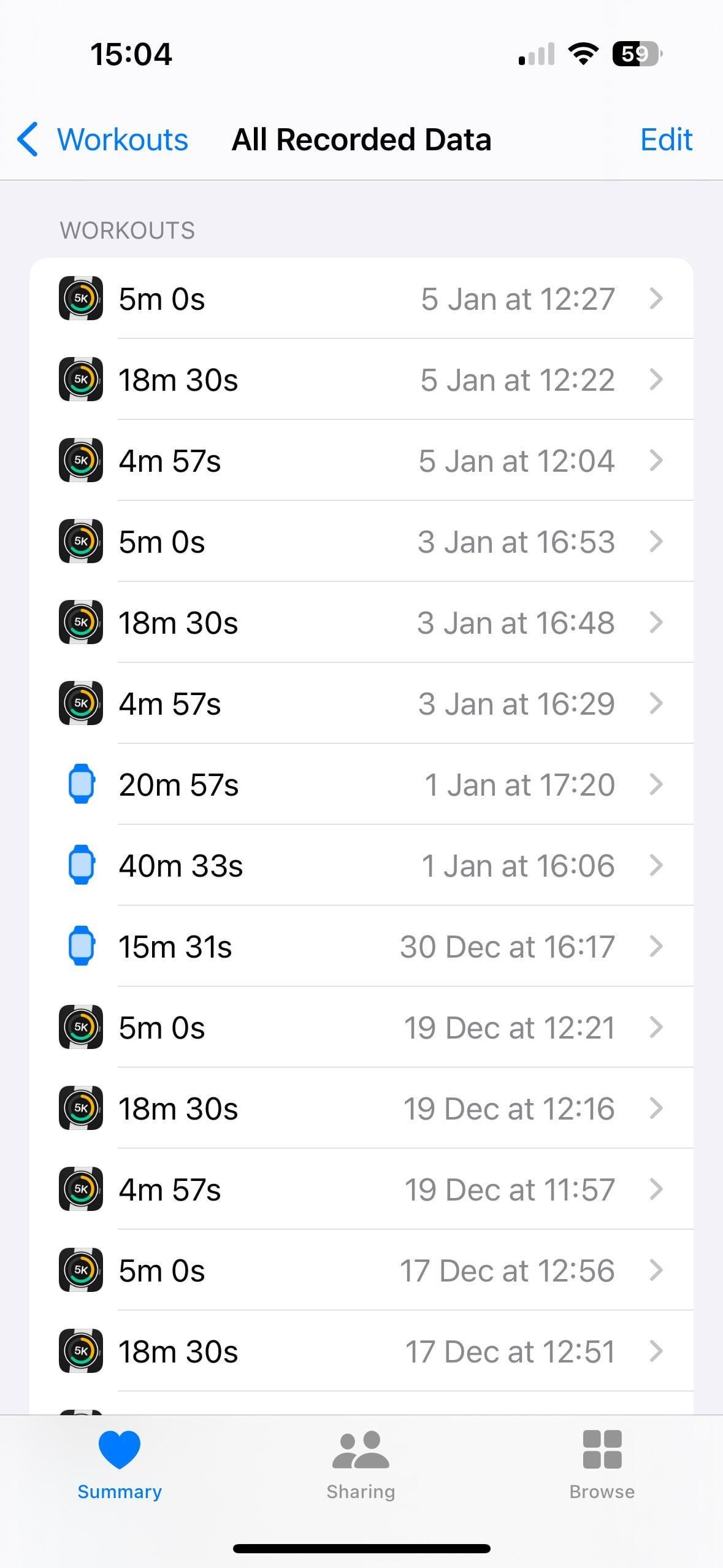
A weak or missing connection is the primary reason data fails to move from your running device to your smartphone. When your phone can’t reach the servers, the app can’t upload your workout history. You should first verify that your phone isn’t in “Airplane Mode” and that you have a stable signal. If you’re using a wearable tracker, it must maintain a steady Bluetooth link to your phone throughout the sync process.
To confirm your status, open your phone’s system settings. Look for the Bluetooth menu and ensure your tracker is listed as “Connected.” If it shows “Disconnected” or “Pairing,” toggle your phone’s Bluetooth off for five seconds, then turn it back on. If the device still doesn’t sync, force the app to close and reopen it. This forces the software to re-scan for nearby hardware.
If you’re wondering about the security of these connections, Bluetooth technology standards provide the framework for how these devices talk to each other reliably. This process usually takes less than a minute. If you have a strong signal but the data still doesn’t appear, verify that your app is set to “Auto-sync” in the settings menu. If you have a large amount of stored data from multiple runs, the sync might take longer than usual. For very old devices, this varies by model — check the label or the manufacturer’s manual for specific pairing requirements.
Software and cache issues
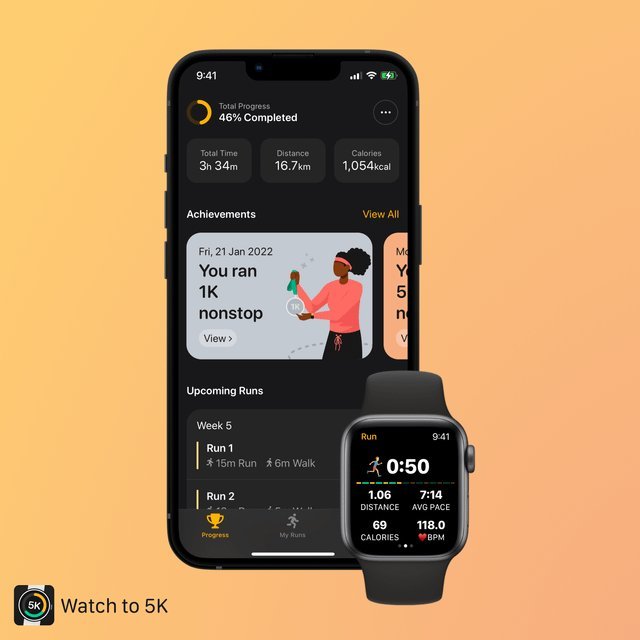
Outdated app versions often stop communicating correctly with the server because the communication protocols have changed. If you haven’t updated your app in a few weeks, the older version may no longer be supported. You can verify this by visiting the App Store or Google Play Store to see if an “Update” button is waiting for you. Always install these updates, as they often contain fixes for known bugs that cause syncing failures.
Clearing the app cache is another effective step when the software becomes sluggish. This doesn’t delete your progress, but it removes temporary files that might be corrupted. On most Android devices, you can do this by going to Settings, selecting Apps, finding your 5k app, and tapping “Clear Cache.” For iPhone users, the system handles this automatically, so you may need to offload and reinstall the app if the sync issues persist.
This isn’t for users who haven’t backed up their data to the cloud, as a full reinstall can sometimes wipe local settings. Before reinstalling, check the app’s internal settings menu to ensure your “Last Sync” timestamp is recent. If the timestamp is older than 24 hours, your data is currently trapped locally. In this case, don’t reinstall; instead, toggle your Wi-Fi off and on to force a fresh handshake with the server.
If you find your app is still failing, check if your phone’s operating system is also up to date. A mismatch between a brand-new app version and an ancient phone operating system often breaks the sync link entirely. This is a common mistake that costs users time, as they often blame the app instead of their phone’s software. If your OS is more than two major versions behind, the app’s security certificates will likely fail to validate.
Server and firmware limitations
Server maintenance or high traffic on the developer’s side can temporarily stop your app from syncing correctly. When the developer’s servers are down, your app will show an error message or simply sit on a “loading” screen indefinitely. You can confirm this by checking the developer’s official social media pages or status website for outage reports. If there’s a global outage, you must wait until they fix the problem on their end.
If the status page shows “operational” but you still can’t sync, the issue is likely local to your device. A common mistake is assuming a simple app restart fixes server-side handshake errors. In reality, you should toggle your phone’s Bluetooth off and on to force a fresh connection handshake. If the sync fails after three attempts, wait at least sixty minutes before trying again to avoid triggering a temporary API lockout.
Firmware on your wearable device also plays a role in how well your data transfers. If your tracker is running on old internal software, it may not be able to format the data for your newer phone app. Check the device manufacturer’s website to see if a firmware update is available for your specific model. You’ll usually need to connect the device to a computer or use a dedicated utility app to push this update to the hardware.
This varies by model — check the label on the back of your tracker to confirm the version number. If you’re using a professional-grade monitor, you might need specific software drivers that aren’t included in the standard mobile app. If your device is older, it may no longer be compatible with current app updates. In such cases, the hardware has reached its limit and will no longer support modern syncing features.
The less likely causes
Low Battery: If your tracker has less than 10% battery, it often disables Bluetooth to save power, which stops syncing. You can verify this by checking if the device’s LED indicator flashes red when you press the main button.
Storage Full: Your phone may stop accepting new data if your internal storage is completely full. If you have less than 500MB of free space, the operating system often blocks background data writes. Clear out old video files or unused apps to restore functionality.
Permissions Denied: If you accidentally blocked the app from accessing your location or Bluetooth, it can’t function. On Android, ensure “Nearby Devices” permission is toggled to “Allow.” On iOS, check that the app is listed under Settings > Privacy > Bluetooth.
Third-Party Conflicts: Other fitness apps running at the same time can “grab” the Bluetooth signal. This happens most often when two apps attempt to poll the same sensor simultaneously. If you use a heart rate monitor with multiple apps, force-close every other sports tracker before initiating a sync to prevent data collisions.
What a fix usually involves
Fixing a sync issue usually involves basic troubleshooting steps that require only your time and a stable internet connection. Most software-based fixes, like clearing the cache or updating the app, are free and take only a few minutes. If the problem is your hardware, you might need a charging cable to connect the device to a computer for a firmware update.
A common mistake is attempting a factory reset before checking the app’s background data permissions. If your phone restricts background activity to save power, the device will never sync automatically. Check your system settings to ensure the app is set to “unrestricted” usage. If the sync resumes after this change, you have saved yourself the hour of work required to re-pair the device.
If the internal battery or the Bluetooth module has failed, professional repair costs can approach the price of a new unit. Before paying for service, check the manufacturer’s website for warranty status. If your device is less than one year old, most manufacturers cover hardware defects at no cost.
Contact the support team directly with your serial number for an accurate quote. If the repair estimate exceeds 40% of the retail price of a new model, it’s almost always more cost-effective to replace the device.
Never pay for a “syncing service” from an unverified third party. These are often scams that don’t provide legitimate support. Always consult the official documentation for the exact steps specific to your model. If the manual doesn’t mention a specific error code, skip the third-party forums and escalate the ticket to the official support channel.
Related guides