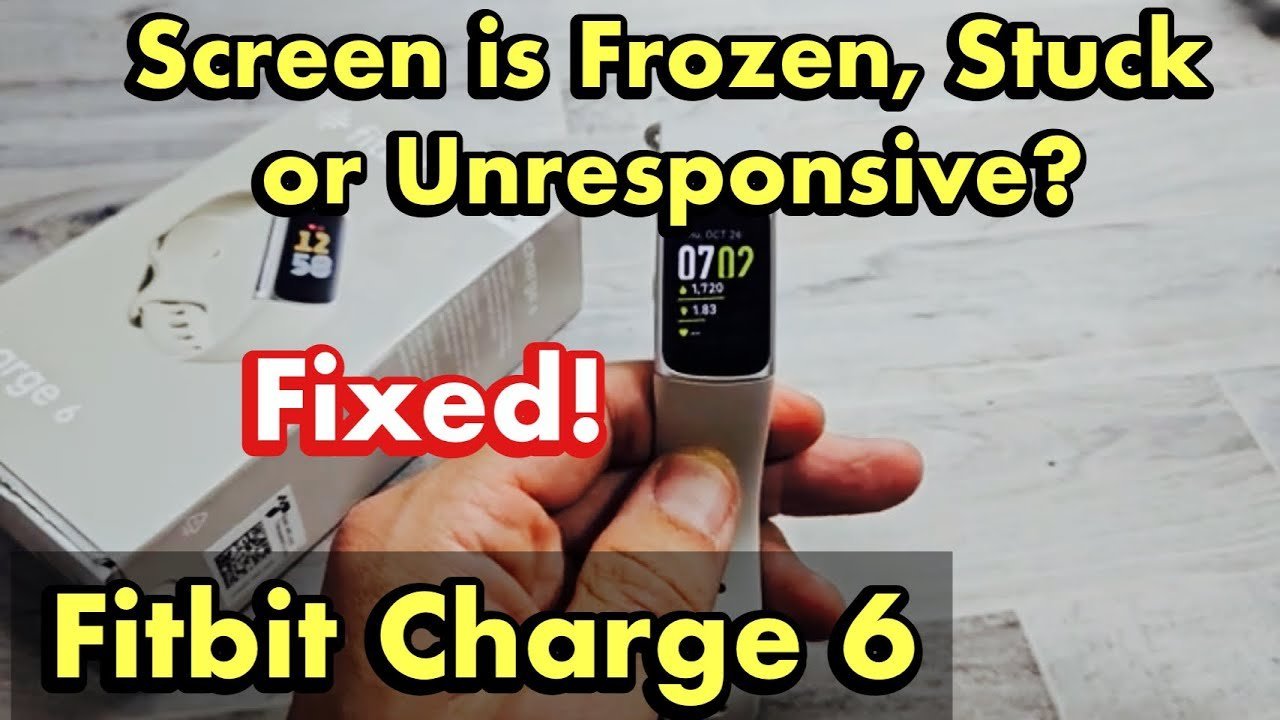
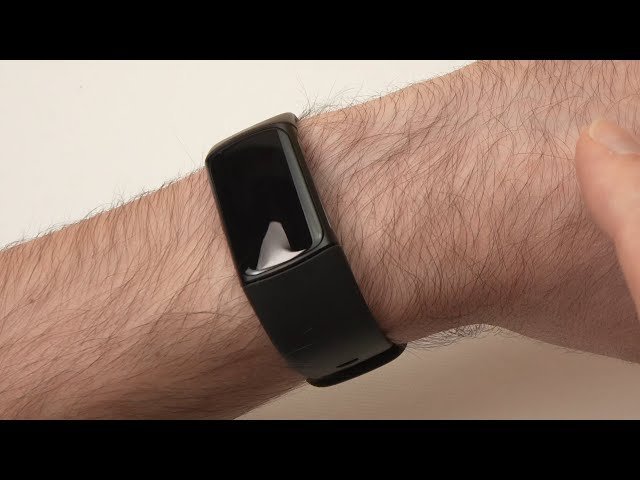
A dead battery or a frozen software state is the most common reason for a fitbit charge 6 screen not working, and you can confirm this by checking if the device vibrates when placed on its charging cable. If it doesn’t respond, the problem is likely a lack of power or a system crash that needs a simple reset. You should start by ensuring your charging connection is clean and secure. If the screen stays dark after a full charge, the issue might be a deeper hardware fault.
Why your Fitbit Charge 6 screen not working
| Cause | How common | How to confirm it | Fix it yourself? |
|---|---|---|---|
| Depleted battery | Very common | No vibration on charger | Yes |
| Software freeze | Common | Device feels warm | Yes |
| Dirty charging pins | Common | No charging icon | Yes |
| Corrupt firmware | Rare | Screen flickers | Yes |
| Water damage | Rare | Visible condensation | No |
| Internal hardware failure | Rare | No response at all | No |
If your battery is depleted, leave it on the charger for 30 minutes before attempting a restart. A device that remains cold after an hour indicates a dead battery or faulty cable, not a software issue.
When checking for dirty pins, use a wooden toothpick to gently clear debris from the port. Metal tools will short the circuit and permanently destroy the charging logic board.
If the device feels warm, a background process is likely hung. Perform a hard reset by holding the power and volume buttons for 15 seconds. If the screen flickers during this process, the firmware is corrupt and requires a factory restore via a computer.
Water damage is confirmed if you see fog under the lens or sensor. If this occurs, stop charging immediately to prevent terminal corrosion. Never use rice; it introduces dust that clogs the port and accelerates internal oxidation.
Power and charging issues
A drained battery is the most frequent cause of a blank display. If the tracker has been sitting unused for several weeks, the battery may have entered a deep discharge state, which requires more time to wake up than a standard daily charge. To test this, connect the device to its official charging cable and plug it into a verified USB power source. Wait at least two hours without removing it. If the battery is healthy, you’ll see a charging icon or a vibration within that window.
If you see no response, check the charging port on the back of the tracker. Tiny bits of lint or dirt often block the metal pins, preventing the flow of electricity. Use a soft, dry toothbrush to gently clear the contact points. Never use metal tools like needles or paperclips, as these can scratch the gold plating and permanently ruin the connection.
This assumes you’re using the original cable provided with your device; using third-party chargers may lead to inconsistent voltage delivery. If you’re using a third-party cable, try switching to an original one before assuming the device is broken. If the device remains unresponsive after cleaning the pins and charging for two hours, the battery may have reached the end of its life. This varies by model — check the label or the official Fitbit device support page to see if your specific unit is still under warranty for battery defects.
System software freezes
Sometimes the internal software hangs, leaving the screen stuck in a black state even if the battery is full. You can tell if this is the issue because the tracker might feel slightly warm to the touch, or it might have been working perfectly until the very moment the screen went dark. A forced restart is the only way to clear this state.
To perform a restart, locate the button on the side of the device. Press and hold this button down for about 10 seconds. You must keep holding it until you see the Fitbit logo appear on the display or until the device vibrates. If it doesn’t restart on the first try, wait 30 seconds and repeat the process.
This fix is intended for software glitches only. If you try this three times and the screen remains completely black, the problem is likely a hardware failure rather than a software hang. A mistake people often make is letting go of the button too early; if you don’t see a response, you must hold the button for the full duration. This isn’t for people who see a “battery low” icon, as that indicates the device is working but needs power. If the device is physically damaged or has been submerged in water, a software restart won’t help.
External hardware damage
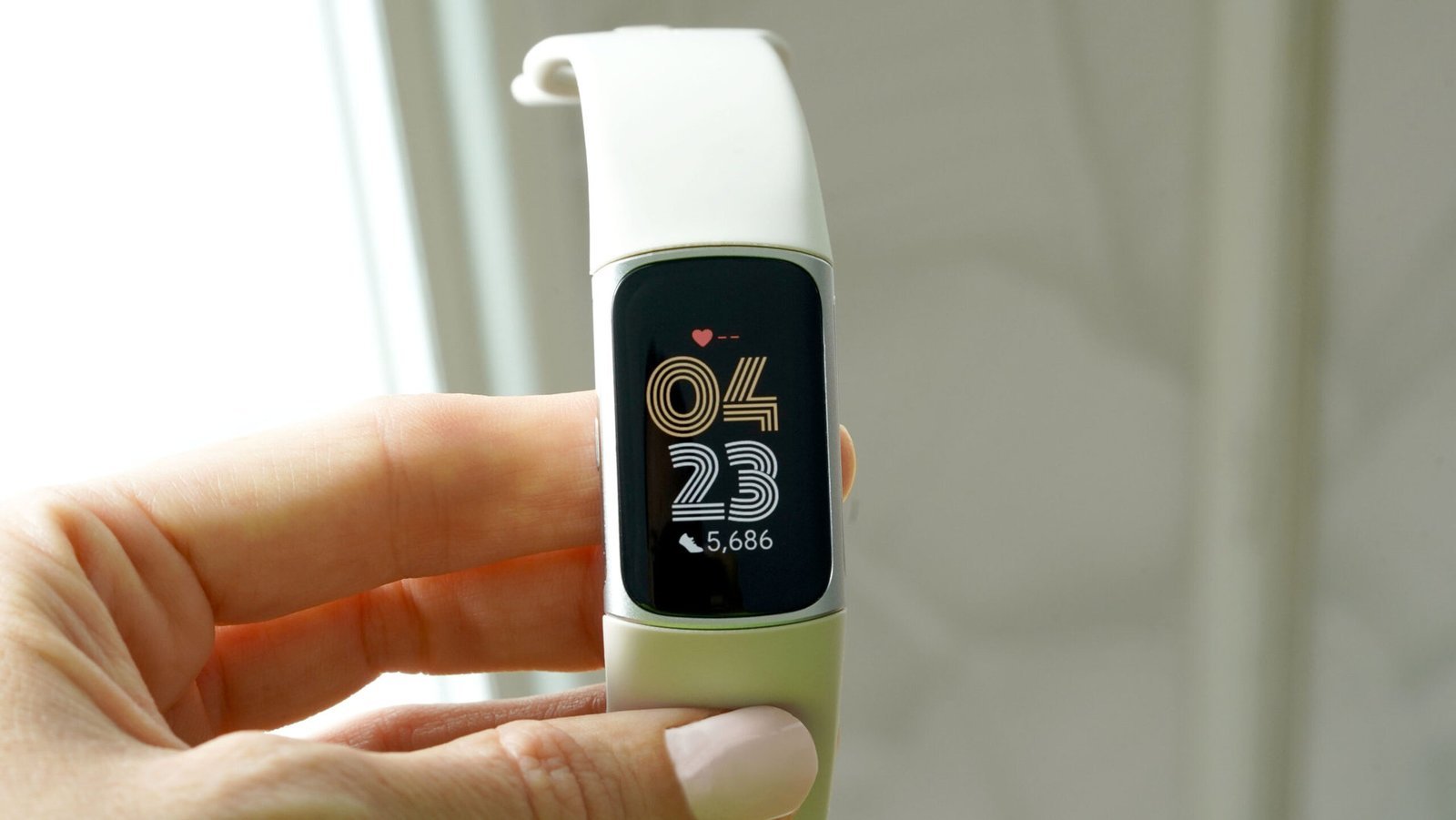
Hardware failure occurs when the internal display ribbon cable disconnects or the screen panel itself suffers a crack. You can tell this apart from software issues because there will be no vibration, no logo, and no warmth from the device even when it’s plugged in for a long time. If you notice visible cracks on the glass or moisture trapped under the screen, the device has suffered impact or liquid damage.
This isn’t for users whose trackers are still showing a faint image; those devices might have a backlight failure. If the screen is completely dead, don’t try to pry it open. The components inside are fragile and glued in place. If the device is out of warranty, the cost of a professional repair often exceeds the price of a new unit. Check your purchase receipt to confirm your coverage status before contacting the manufacturer.
The less likely causes
Firmware update failure: The screen may stay blank if an update was interrupted, which requires a factory reset via the mobile app. To confirm this, check your router’s connected devices list; if the unit appears as an “unknown” or “bootloader” device, the firmware is corrupted.
Display backlight failure: If you look very closely under a bright lamp, you might see faint text, meaning the screen works but the light is dead. This usually indicates a blown capacitor on the power board.
Magnetic interference: Strong magnets near the charger can trick the device into thinking it’s already docked, preventing it from waking up. Keep the unit at least six inches away from speakers or magnetic closures.
Extreme temperature exposure: Leaving the device in a hot car can cause the display to fail, which is often permanent. If the screen remains unresponsive after cooling for two hours, the internal ribbon cable has likely detached from the heat.
What a fix usually involves
Most fixes for a screen that doesn’t work involve only your time and basic cleaning supplies. A soft cloth and a dry brush are the only tools you should ever use. If the issue is a software freeze, the time investment is usually under five minutes. If the device requires a replacement, you’re looking at a much larger expense, often representing a significant portion of the price of a new unit.
The cost of professional service depends on your warranty status. If you’re within the limited warranty period, the manufacturer may provide a replacement at no cost. If the warranty has expired, you’ll likely be offered a discount on a new tracker rather than a repair. Always check the official support portal for your specific region to see if they offer an out-of-warranty replacement program. Never pay for third-party repairs for these devices, as the cost of labor and parts rarely makes financial sense compared to buying a new, functional device.
Frequently asked questions
Can I fix a black screen by leaving it on the charger overnight?
Yes, leaving it on the charger for several hours can sometimes revive a battery that was completely drained. If the battery is simply deep-discharged, it needs a long, steady flow of power to reach the minimum voltage required to turn the screen back on. If it doesn’t wake up after eight hours, the battery is likely dead beyond recovery.
Is it safe to put the tracker in rice if it got wet?
No, putting a tracker in rice doesn’t remove moisture effectively and can introduce dust or debris into the charging port. Instead, wipe the device with a soft, dry cloth and let it air dry in a well-ventilated area for 24 hours. Don’t use heat, such as a hair dryer, as this will damage the internal seals and the screen.
How long does a factory reset take?
A factory reset takes about 10 minutes from start to finish. You must have your smartphone nearby with the app installed, as the device will need to sync and re-download its firmware once the reset is complete. This process will erase all your current stats and settings, so ensure you have synced your data to the cloud before starting.
Does the screen turn off to save battery?
Yes, the screen is designed to turn off when you aren’t using it to preserve battery life. If you raise your wrist and the screen doesn’t wake up, it may be set to “sleep mode” or “don’t disturb.” Check your settings in the app to ensure these modes are disabled if you want the screen to wake up with movement.
Why does the device vibrate but the screen stays black?
The vibration indicates that the processor is working, but the display panel or the backlight has failed. This is a sign of internal hardware damage that you can’t fix through a restart or a charge. If this happens, your only option is to contact the manufacturer to see if the device is eligible for a warranty replacement or a repair service.
Final Thoughts
If your display remains unresponsive despite these efforts, don’t worry. It’s time to reach out to Fitbit’s customer support team for further guidance. They’ll help you determine if your device is still under warranty or if you’re eligible for a replacement, so you can get back to tracking your daily goals soon.