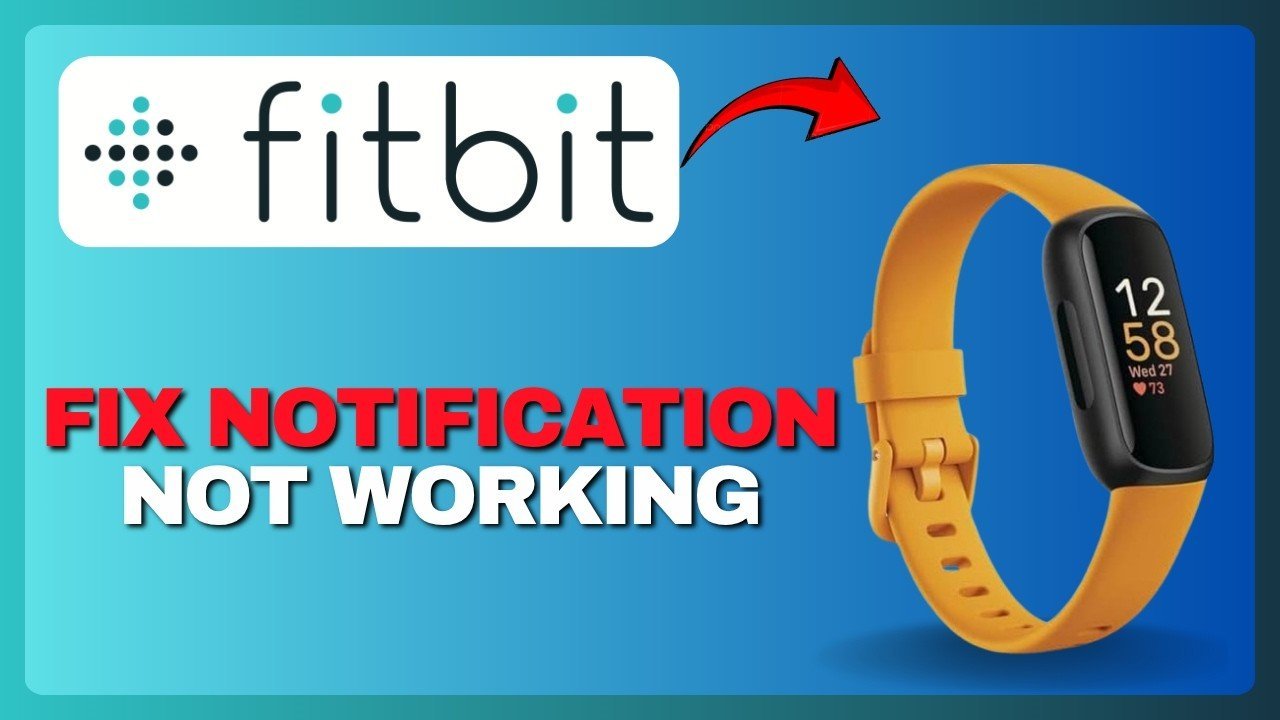
Most of the time, the reason for your fitbit not getting notifications is a simple Bluetooth disconnect or a setting that was turned off during an app update. To check this quickly, look at the Bluetooth menu on your phone to see if your device shows as “Connected.” If it does not, toggle your phone’s Bluetooth off and back on again, then wait about 30 seconds for the handshake to refresh. This resolves the sync issue in a vast majority of cases without needing to reset your hardware.
Troubleshooting: Fitbit Not Getting Notifications
| Cause | How common | How to confirm it | Fix it yourself? |
|---|---|---|---|
| Bluetooth disconnected | Very common | Check phone settings | Yes |
| Do Not Disturb active | Common | Check phone status bar | Yes |
| App permissions missing | Common | Check privacy settings | Yes |
| Firmware outdated | Frequent | Check app dashboard | Yes |
| Phone battery saver | Occasional | Check battery status | Yes |
| Hardware failure | Rare | Attempt factory reset | No |
Bluetooth drops often occur when your phone prioritizes battery life over constant connectivity. If your device disconnects every time the screen locks, toggle off the “Battery Optimization” setting for your specific companion app.
Do Not Disturb mode is the silent culprit behind missing alerts. Check if your phone is in “Focus” or “Sleep” mode, as these settings frequently suppress external hardware notifications.
If you suspect hardware failure, perform a factory reset. If the device remains unresponsive after the reset, you’re dealing with a permanent internal component failure. Don’t attempt to open the casing yourself, as this voids your warranty and rarely solves the underlying electrical fault.
A common mistake is assuming a device is broken when it simply lacks location permissions. Android and iOS require precise location access to maintain a stable handshake with Bluetooth peripherals. If your app lacks this permission, the connection will time out every 60 seconds.
Connection status and signal range
Bluetooth connectivity acts as the bridge between your phone and your wearable. If this signal drops, your watch stops receiving data alerts immediately. You can confirm this by opening your mobile app; if the dashboard shows “Syncing” indefinitely or displays a red exclamation mark, the connection is lost. To fix this, first turn off Bluetooth on your phone and leave it off for 15 seconds. Turn it back on and wait for the device to pair. If it fails, restart both the watch and the phone simultaneously. This clears temporary cache errors that block signal handshakes.
Be aware that distance plays a major role here. Most models maintain a stable link within 20 to 30 feet, provided there are no thick walls in between. If you’re further away, the signal weakens and notifications stop arriving. If you have a larger home, you might notice this happens whenever you walk into a different room. This varies by model — check the label or the official Fitbit setup guide for specific range details. If you’re still not receiving alerts after a fresh restart, your phone might be holding onto a “ghost” connection from a different device, such as a tablet or laptop. Turn off Bluetooth on those other devices to see if the watch reconnects to your phone.
Software settings and permissions
Notifications only work if your phone gives the app permission to “see” your messages and calls. If you have checked your Bluetooth and everything seems fine, the issue is often a buried privacy setting. Go to your phone’s settings menu and look for the list of apps. Find your wearable app and ensure that “Notifications” or “Background Refresh” is toggled to the “On” position. If these are already on, try toggling them off and back on again. This resets the handshake between your operating system and the app.
A common mistake people make is enabling “Do Not Disturb” or “Focus Mode” on their phone without realizing it blocks external alerts. If this mode is active, your phone suppresses all incoming pings, and your watch will remain silent by design. Check your phone’s status bar for a crescent moon or a bed icon. If you see one, turn it off. Another limit to keep in mind is battery saver mode. If your phone is low on power, it often kills background processes, including the ones that send data to your wearable. If your phone is below 20% charge, it will likely stop pushing notifications to save energy. In this case, plug your phone into a charger and wait a few minutes. The notifications should resume automatically once the phone exits power-saving mode.
Device firmware and app updates
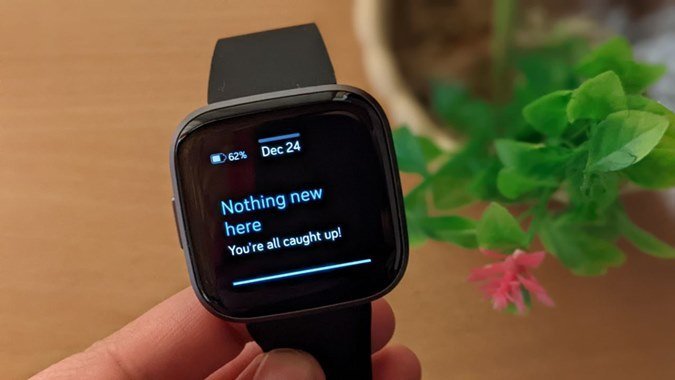
Outdated software creates a mismatch between your phone’s operating system and your wearable. If your phone recently updated its software, the app might need an update to stay compatible. Open the app store on your phone and check for any pending updates for your wearable app. After the app is current, open it and check the device icon in the corner. If there’s a small arrow or a “Firmware Update” prompt, follow those steps. This can take anywhere from 5 to 15 minutes depending on your internet speed and the size of the update.
This process requires a stable Wi-Fi connection. If your internet is slow, the update may fail halfway, which can leave your device in a temporary “frozen” state. If you see an error during the update, don’t panic. Simply restart the app and try the update again. If the device remains unresponsive after three attempts, it’s time to stop. Don’t try to force a manual reset if the screen is black or the device is unresponsive to buttons, as this can void your warranty. Contact the manufacturer’s support team instead. If you have an older model, be aware that some versions lose support for newer phone operating systems over time. Check the official device page to see if your phone version is still listed as compatible.
The less likely causes
Corrupted Cache: Temporary data often traps the sync process in a loop. Clear the app cache in your phone’s storage settings to force a fresh handshake. If the sync fails after thirty seconds, the cache was likely the bottleneck.
Multiple Paired Devices: Your phone may prioritize an old tablet over your watch. Toggle Bluetooth off on all nearby devices except your watch. If the sync succeeds, you have a signal conflict.
Notification Filter: You may have accidentally blocked specific alerts within the wearable app’s settings. Check the “App Permissions” list to ensure your messaging apps are toggled to “On.”
Corrupted Pairing: If the device appears connected but remains silent, the handshake is broken. Navigate to your phone’s Bluetooth menu, select “Forget Device,” and restart the pairing process. Skipping this “Forget” step often keeps the old, broken configuration active, costing you hours of troubleshooting.
What a fix usually involves
Fixing notification issues generally requires only your time and a clear understanding of your phone’s menu structure. Most software-based fixes take less than 10 minutes. If you need to reinstall the app, you’ll spend a bit more time logging back into your account, but you won’t need to buy any new parts or pay for professional help. The only time you might face a cost is if the hardware itself has failed. If a factory reset doesn’t work, you’re likely looking at a hardware fault. In that case, the cost depends on your warranty status; if the device is out of warranty, a repair can sometimes cost most of the price of a new one. Before assuming the worst, check your manufacturer’s warranty page to see if you’re still covered for technical defects. If you need a professional opinion, the manufacturer’s support site is the only place to get a real quote for a repair or a replacement.
Frequently asked questions
Can I fix this if my phone is old?
Yes, but check the compatibility list on the manufacturer’s website first. Older phones may no longer support the latest app versions or Bluetooth protocols required for newer wearables. If your phone’s operating system is many years old, it might not be able to maintain the constant connection needed for notifications. You can verify this by checking if your phone can still download the latest app update from the store.
Why do my notifications stop at night?
About 8 hours of silence is normal if you have “Sleep Mode” enabled on your device. Many models have an automatic sleep schedule that silences alerts to prevent the screen from lighting up while you rest. Check the device settings inside the app to see if a “Sleep Mode” or “Do Not Disturb” schedule is active. You can manually disable this if you want alerts around the clock.
Is it safe to perform a factory reset?
Yes, but you’ll lose any data that hasn’t synced to the cloud yet. Before you reset, make sure your app dashboard shows a successful sync. A factory reset wipes the device back to its original state, which clears out deep-seated software glitches. Only use this as a final step if all other troubleshooting methods have failed to bring your notifications back.
How long does a firmware update take?
About 10 to 15 minutes is the standard time for most updates. The duration depends on the size of the update and the strength of your Bluetooth connection. Keep your phone and your wearable close together throughout the entire process to prevent the signal from dropping. If the update takes longer than 30 minutes, it’s likely stuck and you should restart the process from the beginning.
Does it matter if I have an Android or iPhone?
Yes, because the settings menus for permissions look different on each platform. iPhones require you to enable “Share System Notifications” in the Bluetooth menu, while Android phones require you to grant the app “Notification Access” in the privacy settings. Both systems have the same goal, but the path to get there varies. Check your phone’s specific manual or the manufacturer’s support page for the exact steps for your operating system.
Final Thoughts
If you’re still having trouble after these quick fixes, don’t worry. Sometimes a simple restart of both your phone and tracker clears out stubborn glitches. If that doesn’t work, reach out to the support team through the app. They’ll help you get everything running smoothly again so you don’t miss another alert.
Related guides