A 4th gen kindle not syncing usually happens because your device is disconnected from the network or needs an update to its registration settings. In most cases, you can restore your library by manually toggling the Wi-Fi or restarting the e-reader to force a connection to the Amazon servers. This model relies on older security protocols, which often means it struggles to handshake with modern, high-security wireless routers. If a restart doesn’t work, you must verify your account status and network signal strength directly through the device settings menu.
Why your 4th gen kindle not syncing
| Cause | How common | How to confirm it | Fix it yourself? |
|---|---|---|---|
| Weak Wi-Fi signal | Very common | Check signal bars | Yes |
| Firmware version outdated | Common | Check device info | Yes |
| Account registration error | Occasional | View account settings | Yes |
| Router security mismatch | Occasional | Test other networks | Yes |
| Internal cache error | Rare | Perform hard reboot | Yes |
| Hardware component failure | Very rare | Try USB transfer | No |
Weak Wi-Fi is the primary culprit when your device drops packets. If your signal strength shows fewer than two bars, move within ten feet of the router to test for interference. Walls containing metal studs or large mirrors often degrade performance significantly.
Outdated firmware frequently causes handshake failures. Check your manufacturer’s support portal for the latest version number. If your device is more than two major revisions behind, it may lose compatibility with modern security protocols like WPA3.
Account errors usually manifest as “Unauthorized” or “Sync Failed” messages. Navigate to your profile settings to verify your status. If the account appears active, log out and back in to refresh the authentication token.
Router security mismatches occur when your device can’t negotiate a handshake with the firewall. Connect to a mobile hotspot to rule out your home network configuration. If the connection works elsewhere, update your router’s security settings to WPA2-AES.
A rare internal cache error forces the system into a loop. A hard reboot clears the temporary memory. Hold the power button for thirty seconds to force a full power cycle.
Hardware failure is terminal. If a direct USB transfer also fails, the internal storage or controller is likely physically damaged.
Connection and signal issues
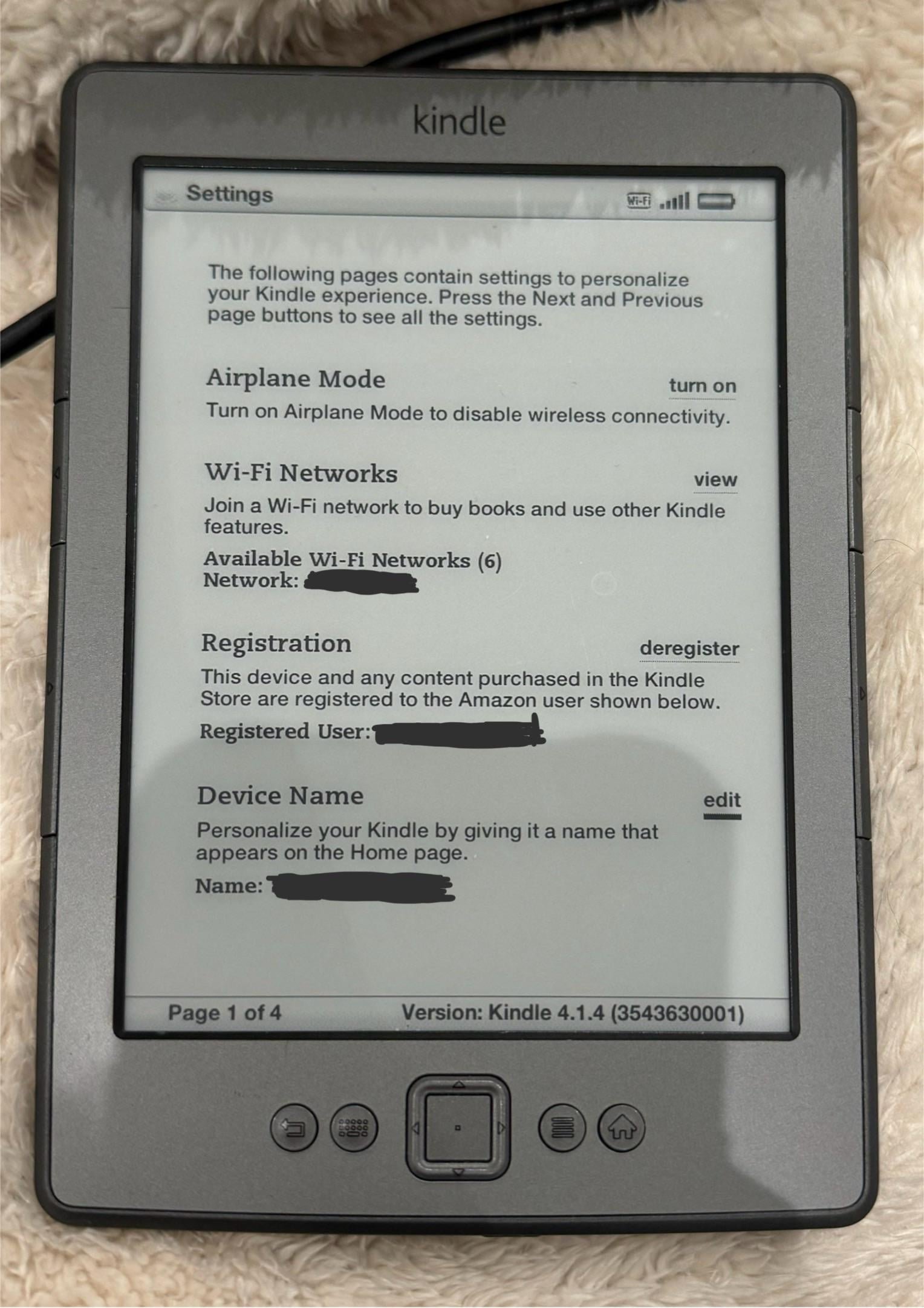
Weak Wi-Fi connectivity is the primary reason your device fails to reach the cloud. The 4th gen Kindle uses an older wireless radio that’s sensitive to distance and interference from modern household electronics. If the signal bars in the top corner show fewer than two lines, the device can’t maintain a stable enough connection to complete a sync.
To confirm this, move the device within five feet of your wireless router and attempt to sync again. If the sync succeeds, the issue is your home network range, not the device. If it still fails, you must check the official Amazon device support page to confirm your specific model’s network compatibility requirements.
If you’re using a 5GHz network, be aware that this older model only connects to 2.4GHz bands. If your router combines both bands into one network name, the Kindle might attempt to negotiate a connection on the unsupported frequency. This mismatch often results in a “Wi-Fi Error” message even when your password is correct.
You can fix this by temporarily disabling the 5GHz radio on your router settings page to force the device onto the 2.4GHz channel. This process usually takes ten minutes of configuration time. If you don’t have access to your router settings, try connecting to a mobile hotspot set specifically to 2.4GHz to rule out the router as the bottleneck.
Most users make the mistake of assuming a dual-band router is “smart” enough to handle the handshake automatically. This assumption costs you time and leads to unnecessary factory resets. If you see your network name but the device refuses to authenticate, your router is likely prioritizing the 5GHz band. Use the decision rule: if the device sees the network but fails to connect, manually isolate the 2.4GHz band. If the device fails to see the network entirely, the issue is likely a security protocol mismatch, such as WPA3, which this older hardware doesn’t support.
Firmware and registration status
An outdated firmware version prevents the device from talking to the current Amazon servers. If your Kindle has been powered off for a long time, it likely missed critical security patches required for modern encryption. To check your current version, go to the Home screen, select Menu, choose Settings, and then select Device Info.
Compare this number against the latest version listed on the manufacturer’s website. If your version is lower, you must download the update file to a computer and transfer it via USB cable. This is a manual process that requires a micro-USB cable and about twenty minutes of your time. If your firmware is current but the device still doesn’t sync, check your account registration. If the device says “Deregistered” or shows a different name, the sync will always fail. Select “Register” from the settings menu and re-enter your login credentials.
A common mistake is typing the password incorrectly without realizing the older keyboard interface is case-sensitive and slow to respond. This costs users time because the device often times out during the login process. If you have two-factor authentication enabled on your Amazon account, you may need to enter your password followed immediately by the security code in the same password field. This varies by model — check the label on the back for the exact serial number to ensure you’re downloading the correct firmware file.
Network and system settings
Internal cache errors sometimes cause the device to hang during the sync process. When the software becomes stuck, it ignores new commands to check for books. A hard reboot clears the temporary memory and forces the Kindle to reload its network drivers.
To perform this, slide and hold the power button for exactly forty seconds. Don’t release it before the time is up, even if the screen flashes. After forty seconds, release the button and wait for the device to reboot completely. This takes about two minutes. Once it restarts, verify that the date and time are set correctly in the Settings menu.
If the date is wrong, the Kindle can’t verify the security certificates needed to connect to the Amazon store. Many users mistakenly assume the sync failure is a Wi-Fi issue and spend hours resetting their router. If your date is off by more than 24 hours, the server will reject your connection regardless of your internet signal strength.
If the date is correct but the sync still fails, check for a “Sync and Check for Items” option in the menu. If this option is greyed out, the device has lost its handshake with the server. If you have many books in your cloud library, the initial sync can take up to ten minutes to populate the list.
If you see an error message specifically mentioning “Internal Error,” you should factory reset the device as a last resort. This deletes all downloaded content, so you’ll need to re-download your books afterward. Before taking this step, ensure your device is charged to at least 40 percent to prevent the update process from failing mid-way, which could brick the operating system.
The less likely causes
Corrupted book metadata: One single file with a bad header can halt the entire sync process. Delete any recent purchases from the device to see if the queue clears. If the sync resumes, re-download the books one by one to identify the specific corrupted file.
Expired security certificates: Older devices sometimes lose the ability to verify SSL certificates. This requires a manual firmware update performed via a computer. Check the device’s “About” menu; if the software version is more than three years old, it’s likely incompatible with current server security protocols.
Server-side service changes: Amazon occasionally updates its infrastructure. Check the official help pages to see if your specific generation is undergoing a scheduled service disruption. If your device is a first or second-generation model, it may no longer be supported for wireless syncing.
Internal battery degradation: If the battery can’t hold a charge, it may not provide enough power to the Wi-Fi radio. This often manifests as the device dropping the connection the moment a download begins. Professional repair is rarely cost-effective compared to buying a certified refurbished unit.
What a fix usually involves
Fixing sync issues usually requires either a simple software reset or a manual file transfer. A standard reboot is free and takes only three minutes. If you need to manually update the firmware, the cost is the price of a standard micro-USB cable if you don’t already own one. These cables are inexpensive and available at most electronics retailers.
If the internal hardware, such as the Wi-Fi antenna, has failed, the repair cost could represent 60% of the price of a used replacement device. Before paying for any repairs, check the manufacturer’s website for the current support status of your specific serial number. If the device is marked as obsolete, the manufacturer may no longer offer software updates or repair services.
The most common mistake is assuming a sync failure is always a hardware fault. If your device connects to a computer but fails to see the network, the issue is likely the radio. If the computer also fails to recognize the device, the fault is usually the port.
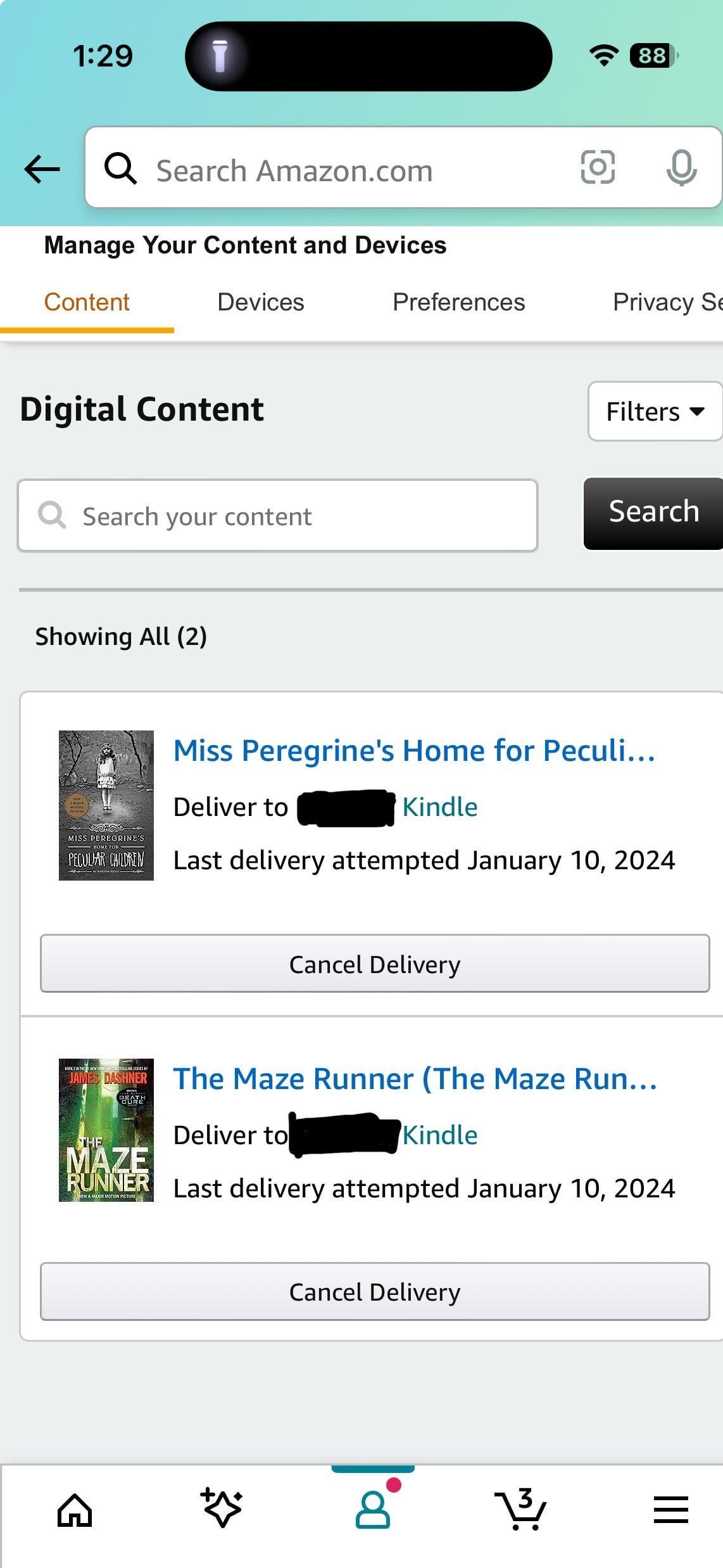
In these cases, the most practical solution is to use a computer to manage your library via the “Manage Your Content and Devices” page on the Amazon website, then transfer files manually using the USB cable. This bypasses the need for the device’s wireless radio entirely. If you have a choice between a cheap repair and a slightly more expensive used replacement, always choose the replacement to avoid future hardware fatigue.