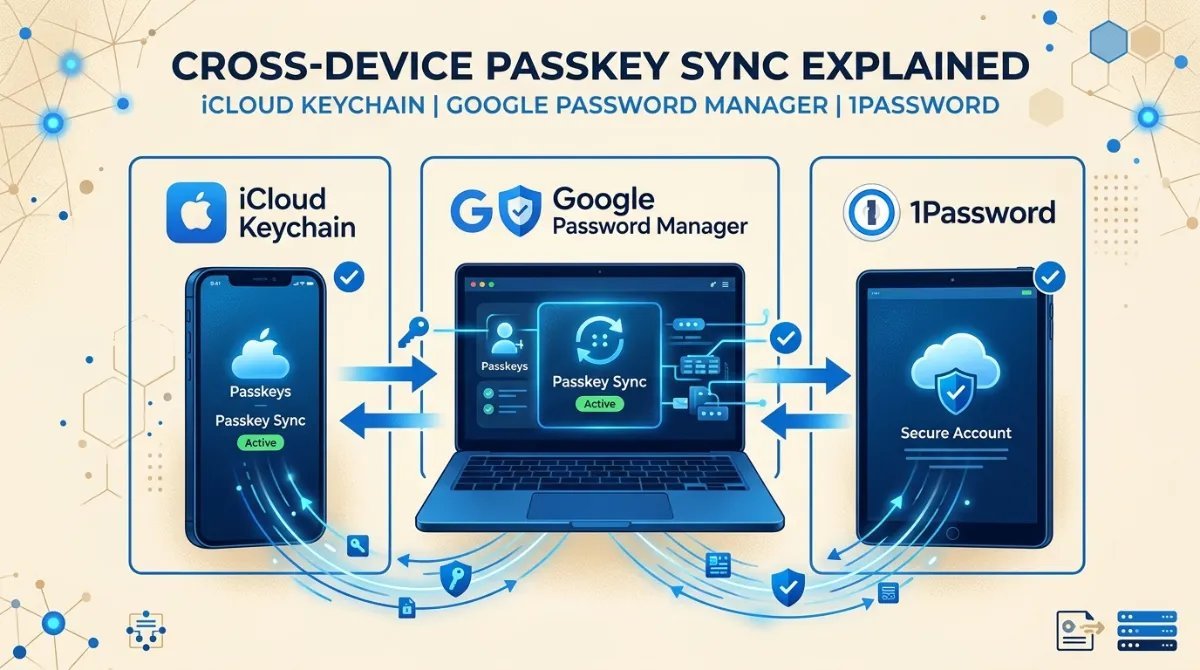
If your 1Password app not syncing, it is usually due to a network error or an outdated version. Confirm your internet status and verify that every device runs the same software. If the connection is stable but data remains stale, the issue often involves a locked account or a pending update. Check your app store to ensure your operating system meets the requirements.
Troubleshooting 1Password app not syncing
| Cause | How common | How to confirm it | Fix it yourself? |
|---|---|---|---|
| Network disruption | Very common | Try loading a website | Yes |
| Outdated application | Common | Check app store version | Yes |
| Account lock state | Common | Sign in to web portal | Yes |
| Server-side maintenance | Occasional | View status page updates | No |
| Local cache error | Uncommon | Refresh local vault data | Yes with care |
| Firewall interference | Rare | Disable VPN or proxy | Yes |
Network disruption is the most frequent culprit, usually signaled by a “Connection Timed Out” error. If your browser fails to load a simple page, check your router’s status lights. A steady red light indicates a physical line fault that no software reset can fix.
Outdated applications often fail silently when API protocols change. If you see a “Version Mismatch” error, update immediately. Skipping this step often costs users their saved local data during a forced sync.
If the web portal confirms your credentials work but the app rejects them, your local token has expired.
Distinguish between a local cache error and server maintenance by checking the official status page. If the status page shows green, clear your application cache. If the page shows red, stop troubleshooting; you must wait for the provider to restore service. Never attempt to force a sync during maintenance, as this can corrupt your local database.
Connection and network errors
Network instability is the most frequent reason for sync failures because the application requires a clear path to the cloud servers to push and pull encrypted data. When your device loses its handshake with the server, the vault can’t update its local copy. You can confirm this by opening a web browser and confirming that you can reach other secure websites without delay. If your browser loads pages but the app does not, the issue is specific to the application’s communication channel.
If you’re using a cellular data plan, toggle your Wi-Fi on and off to rule out a weak signal. If you’re on a corporate network, your office firewall might block the ports that 1Password requires for official server communication. If you’re at home, restart your router to clear any stuck packets. If X is a public Wi-Fi network, do A (use a VPN); if Y is your secure home network, do B (check your router’s security settings). A common mistake people make is trying to force a sync while a heavy file download is active on the same connection, which consumes the bandwidth needed for the secure handshake. It costs you a few minutes of time but usually requires no financial expense beyond your existing internet bill. Always ensure your device date and time are set to “Automatic,” as a mismatch of even a few minutes will prevent the encryption keys from matching the server’s request.
Software version mismatches
Running different versions of the software on two devices is a major cause of sync conflict. The application needs to translate your encrypted data using specific protocols that change as the software evolves. If your laptop runs a new version but your phone runs an old one, the phone may not recognize the data structure sent by the server.
You can tell this apart from a network error by checking the “About” screen in the settings of both apps. If the version numbers don’t match, perform a manual update through your device’s app store. This isn’t for someone who has disabled automatic updates and prefers to manage legacy software manually, as they may face compatibility issues that require a full manual migration. The trade-off is that updating may change the interface layout or remove support for older operating systems you might rely on. This process takes about five minutes to complete. If you’re still seeing sync errors after both devices show the same version number, sign out of the app entirely, restart the device, and sign back in to force a fresh connection to your vault. This clears the temporary session tokens that might be holding onto old sync instructions.
Account and vault access states
An account that’s locked or in a “read-only” state will fail to sync because the application can’t write new changes to the server vault. This usually happens if you have changed your Secret Key or Master Password on one device but not yet updated it on the others. You can confirm this by attempting to sign in to the official web portal using your credentials. If you can’t access your items on the web, the problem is your account status, not the application itself.
If the web portal works, your local vault is likely stuck in a “pending” state. To fix this, navigate to the sync settings within the app and look for a button labeled “Reset Sync” or “Re-sync.” This forces the app to discard the local cache and pull a fresh copy from the cloud. A mistake people make is deleting the app entirely before checking their Secret Key; if you don’t have your emergency kit handy, you’ll lose access to your data permanently. The cost of this fix is your time spent re-authenticating your devices, which takes about ten minutes.
The less likely causes
- System time drift: If your device clock is manually set and off by more than a few minutes, the server will reject your sync requests for security reasons.
- VPN or proxy interference: Some security software intercepts traffic, which breaks the end-to-end encryption used by the app; try disabling these tools temporarily to see if sync resumes.
- Full device storage: If your phone or computer has zero bytes of free space, the app can’t create the temporary files needed to process a sync.
- Server-side outages: In very rare cases, the provider’s infrastructure may be down; check the official status page, as this requires no action on your part until the service is restored.
What a fix usually involves
Fixing a sync issue almost always involves a small amount of time and patience rather than money. Most of the time, the fix is a simple software update or a network toggle, which costs nothing. If you need to reinstall the app, it’s a free process that takes roughly fifteen minutes of your time. If the issue is related to your account credentials, you’ll need to spend time recovering your account via your emergency kit, which is a free service provided by the company. If you suspect your hardware is failing or your operating system is too old to support current security standards, you might eventually face the cost of a new device. You can check your device’s compatibility on the official documentation page of the software provider. Never pay for a third-party “repair” service for this issue, as your data is managed entirely through your own account controls. If you can’t resolve the sync error after these steps, contact the official support team through their website for a secure, guided investigation of your account logs.
Frequently asked questions

Can I force a sync manually?
Yes, you can trigger a manual sync by navigating to the “Sync” or “Vault” section in your application settings and selecting the “Sync Now” option. This forces the application to compare your local data with the cloud version immediately. If the button is greyed out, it usually means the app is already in the process of syncing or currently lacks an active internet connection.
Why does my phone say “syncing” forever?
Close the application completely, check your internet signal strength, and reopen it. If the issue persists, the app might be struggling to process a corrupted entry, which may require you to sign out and back in.
Is it safe to delete and reinstall the app?
Yes, it’s safe to reinstall the app as long as you have your master password and secret key stored in a secure location. Your data isn’t stored inside the app itself but on the secure cloud servers linked to your account. Deleting the app only removes the local cache, and it will automatically download your vault again once you sign back in.
How long does a sync take?
About ten seconds is the average time for a sync to complete on a standard connection. If it takes longer than that, check your network speed, as a slow upload rate will drastically increase the time needed to confirm your changes.
Does it matter which device I use to sync?
No, it doesn’t matter which device you use to sync because all changes are pushed to the central cloud server. Once one device finishes the sync, the server updates your account, and all other connected devices will pull the new information automatically. You should ensure your primary device has the most recent changes before you start a sync on a secondary device.
What happens if I lose my secret key during a sync?
No, you won’t lose your data if you lose your secret key during a sync, but you’ll lose access to your account. The secret key is required to decrypt your vault on any new device or after signing out. Always keep a digital or physical copy of your emergency kit in a safe place, as the company can’t recover this key for you.
Final Thoughts
If these quick checks don’t get your vaults moving again, don’t worry. You can reach out to the support team directly through their website. They’re happy to help you investigate deeper, so you’ll be back to accessing your secure passwords across all your devices in no time at all.
Related guides