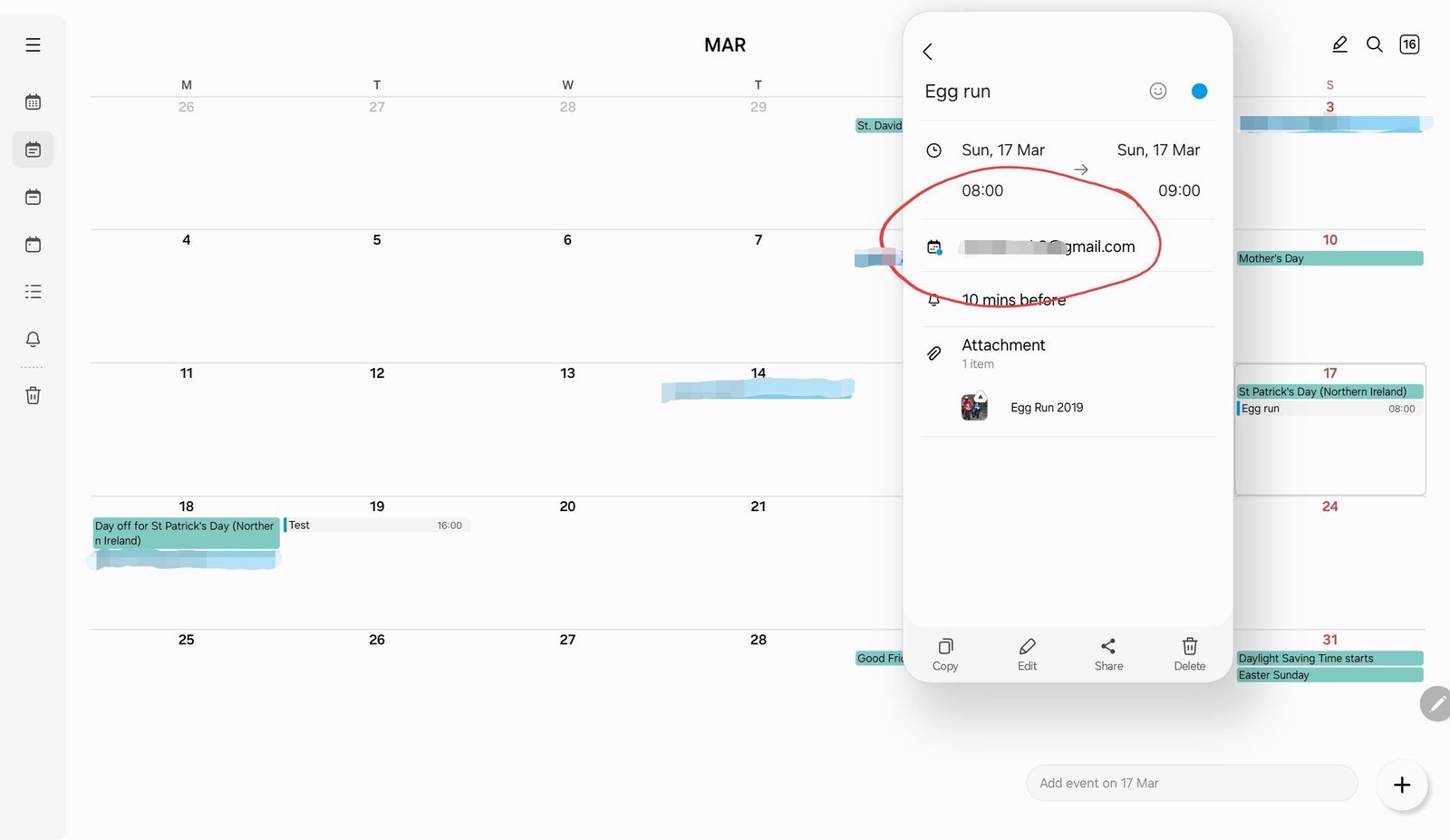
A weak internet connection or a disabled sync setting is the most common reason for samsung calendar not syncing across your devices. In most cases, you can fix the issue by toggling your account settings or refreshing the app’s background data permissions. When the calendar fails to update, it’s usually because the device has lost its handshake with the Google or Samsung server rather than a permanent hardware failure.
Fixing a Samsung calendar not syncing
| Cause | How common | How to confirm it | Fix it yourself? |
|---|---|---|---|
| Disabled sync switch | Very common | Check Settings menu | Yes |
| Poor internet signal | Very common | Try loading a webpage | Yes |
| Cache data error | Common | App settings menu | Yes |
| Outdated app version | Common | Check Play Store | Yes |
| Corrupt account login | Occasional | Re-add the account | Yes |
| Server-side outage | Rare | Check status page | No |
Most users assume a server outage when sync fails, but that’s rarely the culprit. If your status page shows green, look at your connection first. If you see a “no connection” icon, toggle Airplane Mode for ten seconds to force a handshake with the nearest tower.
A common mistake is clearing the entire app cache when only the sync metadata is corrupted. This wipes your local preferences and saved drafts. If that fails, re-adding your account is the definitive test. If the account re-syncs, the local database was the issue. If it hangs during the login attempt, the problem is likely a firewall or a restrictive VPN blocking your outgoing traffic. Always disable your VPN before assuming the account itself is broken.
Sync settings are toggled off
The most frequent cause of missing entries is a disabled toggle within your account settings. When this switch is turned off, your phone stops pushing new data to the cloud, meaning your changes stay stuck on the device. To confirm this, open your phone’s Settings app, tap on “Accounts and backup,” and select “Manage accounts.” Choose your Google or Samsung account and look for “Sync account.” If the toggle next to “Calendar” is grey, it isn’t active.
You can fix this by simply tapping the toggle to turn it blue. Once enabled, wait about 30 seconds for the phone to establish a connection. If the toggle was already blue, turn it off, wait five seconds, and turn it back on to force a refresh. This process is generally quick, though it depends on your current network speed. If you’re on a metered or restricted Wi-Fi network, the system might block this background sync to save data; in that case, you must switch to a stable connection or allow background data usage in your network settings. If you have multiple calendars under one account, ensure you have selected the correct sub-calendar for display in the app’s side menu.
App cache errors blocking updates
Temporary files stored by the app can sometimes become corrupted, which stops the calendar from syncing new events properly. You can tell if this is the issue if your events show up on a web browser but not on your phone. To clear the cache, go to your phone’s Settings and tap “Apps.” Find the Samsung Calendar or Google Calendar app in the list and select “Storage.” Tap the “Clear cache” button to remove the temporary files.
This fix is safe and won’t delete your actual calendar events, as those are stored on the server. After clearing the cache, restart your phone to force the app to rebuild its data index. This takes about a minute of your time. If you use a third-party calendar app, you might need to clear its cache instead. A common mistake people make is clearing “App Data” instead of “App Cache.” Clearing “App Data” will remove all your local settings and preferences, so be careful to select only the cache. If the sync still doesn’t start after a restart, you should verify your permissions by checking the official Samsung mobile support guide for application management. This resource details how to grant necessary permissions if the app has been restricted by a recent system update.
Network and account authentication limits
A lost connection to your Google or Samsung account prevents the calendar from reaching the cloud. You can identify this if you see a sync error icon, often a small exclamation mark, near your account name in the settings menu. If your account is showing an authentication error, you must remove the account from your device and add it again.
To do this, go to “Accounts and backup” in Settings, select the account, and choose “Remove account.” Restart your phone and add the account back by tapping “Add account.” This forces the server to re-verify your credentials and rebuild the sync link. This isn’t for people who have forgotten their passwords, as you’ll need your login details to re-add the account. If you have a professional work account, you may need permission from your IT department to re-authenticate. The trade-off here is time: removing and re-adding an account can take several minutes because the phone has to re-download your contacts, emails, and calendar entries. If you have a very large calendar with years of history, this process might take longer as the phone fetches all historical data from the server. Always ensure you have a backup of your important files before removing an account.
The less likely causes
Power saving mode: This restricts background activity to preserve battery, often pausing syncs until you plug the phone in. If your calendar stops updating only when the battery icon turns yellow, toggle “Background Data Usage” to “Always Allow” in your settings to bypass this restriction.
Storage full: Check your storage settings; if you see less than 1GB free, delete large video files or cached app data to restore sync functionality.
Wrong date and time: Always keep “Set time automatically” enabled. If you travel across time zones, toggle Airplane Mode on and off to force a fresh network handshake.
System software update: Pending updates often lock system databases. If a sync error persists after a reboot, check for a pending patch. Installing these updates usually resolves low-level permission conflicts that block background data.
What a fix usually involves
Fixing a sync issue usually requires only a few minutes and no special tools. Most solutions involve navigating through your phone’s settings menus, which is free and built into the operating system. If the issue is caused by a full storage drive, you might need to delete old photos or unused apps to make room for new calendar data. If the problem persists after these steps, you may be facing a server-side issue, which is rare but requires waiting for the service to come back online.
For persistent issues, you might need to contact the support team of your service provider. Checking the official service status page for Google or Samsung is a good way to see if the problem is on their end. A technician might eventually suggest a factory reset, but this should be your last resort, as it deletes all personal data. Always check your manufacturer’s documentation or the official help site before taking drastic steps.
Frequently asked questions
Is it safe to remove my account?
Yes, it’s safe to remove your account from your phone to fix sync issues. Your data, including calendar events and contacts, is stored on the cloud servers. Once you sign back in, your phone will automatically download all your information again. This is a standard troubleshooting step recommended by manufacturers to resolve authentication errors that prevent background syncs from working correctly.
How long does a manual sync take?
A manual sync usually takes about 30 to 60 seconds depending on your internet speed and the number of events. If you have a large calendar with thousands of entries, it might take a few minutes to fully refresh. Ensure you’re connected to a stable Wi-Fi network for the fastest results, as cellular data can sometimes throttle background syncing processes.
Why do my events show on the web but not my phone?
This happens because your phone has lost the link to the server or has a cache conflict. Check your account settings to ensure the sync toggle is enabled and that your device is connected to the internet. If the settings look correct, clearing the app cache as described earlier usually forces the phone to pull the latest data from the web.
Does it matter if I use the Samsung or Google calendar app?
No, it doesn’t matter which app you use, as both sync with the same cloud servers. The only difference is the interface and the way they display your events. If you use both, ensure that you have enabled permissions for both apps in your system settings to avoid conflicts where one app blocks the other from updating.
Can a low battery cause sync issues?
Yes, a very low battery or “Power Saving” mode often stops the phone from syncing to save energy. If your battery is below the threshold set in your phone’s power settings, the system will disable background syncs. Plug your phone into a charger or turn off power-saving mode to allow the calendar to sync normally.
What happens if I clear my app data?
Clearing app data resets the calendar app to its factory state, deleting your local preferences and display settings. You won’t lose your actual calendar events, as these are saved on your account server, but you’ll have to re-select which calendars you want to view inside the app once it restarts. Use this only if clearing the cache doesn’t fix the problem.
Final Thoughts
If these adjustments don’t restore your schedule, don’t worry. Sometimes a quick restart is all your phone needs to clear out temporary glitches. If the problem persists after a reboot, it’s a good idea to check for any pending software updates, as they’ll often patch these minor bugs for you.