You can resolve the app not installed error by removing older versions of the same software or clearing enough storage space on your device. This error message typically appears when your operating system detects a conflict between the new file you’re downloading and existing data on your internal memory. If you have enough space but the installation still fails, the package signature might be the culprit.
Reasons for the installed error
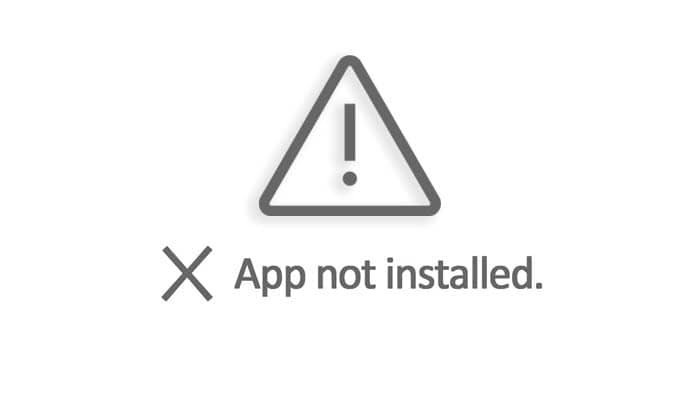
This issue usually occurs because of three main technical conflicts. First, the most frequent cause is a version mismatch. If you have a version of the app already installed that’s signed with a different certificate than the one you’re downloading, the system will block the update to protect your data. You must uninstall the old version before the new one can take hold.
Second, your device might be running out of storage. While phones often show an “insufficient storage” warning, sometimes the OS triggers a generic installation error instead. This varies by model — check your settings menu to see your exact available gigabytes. If your internal partition has less than one gigabyte free, many Android packages will refuse to unpack.
Third, the file itself might be corrupted or incompatible. If you downloaded the file from a third-party source rather than the official store, the package may be incomplete. Android systems verify the integrity of these files before allowing them to run. If the check fails, the installation halts immediately. You can find official guidance on how to manage app permissions and installation requirements on the Android Help center.
Clear space and remove conflicts
If you’re trying to install an update, you must remove the existing version first to clear the conflicting signature. Go to your settings menu, select the app list, and find the application that’s causing the trouble. Tap it and select “Uninstall.” Once it’s gone, try to run the new installer file again.
If the app wasn’t previously installed, focus on your storage levels. This gives the operating system enough “breathing room” to extract the installation files safely.
This fix is for users who have confirmed they have sufficient memory but still see the error message. If you’re using an SD card for storage, try moving the installation to your internal device memory instead. Many apps refuse to install on external cards because of read/write speed limitations or security protocols. If the install works after moving it to internal memory, the SD card is likely the bottleneck. For those with older hardware, this is a common trade-off between having extra storage space and the ability to install modern, larger applications.
Adjust security settings
Sometimes your device settings prevent the installation of files from unknown sources. This is a built-in safety feature designed to stop malicious software. If you’re certain the file is safe, you must grant your browser or file manager permission to install apps.
To do this, go to your security settings and look for “Install unknown apps.” You’ll see a list of applications that can request this action, such as Chrome or your default file manager. Toggle the switch to “Allowed” for the specific app you’re using to open the installer. After you change this, try the installation again. If it works, you’ll see a prompt asking for confirmation.
This isn’t for people who frequently download files from unverified websites, as it lowers your device’s security barrier. If you enable this, you’re responsible for the safety of the files you install. If you remain unsure about the file’s source, don’t proceed. If the error persists after enabling this, the file itself is likely broken or designed for a different version of the operating system. You should delete that file and attempt to find a version that matches your Android build number, which you can locate in your phone’s “About” section.
Repair corrupted download files
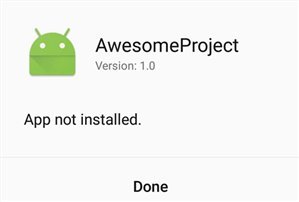
When a file download is interrupted, the package becomes unusable. This happens if your internet connection flickers or if the server hosting the file times out. The system can’t complete the installation because it can’t read the full data structure.
The only way to fix this is to delete the current installer and download a fresh copy. Don’t try to “resume” a failed download, as the partial file is already tainted. Use a stable Wi-Fi connection rather than cellular data to ensure the packet transfer remains consistent. Check the file size before you start; compare the size of the file you downloaded to the size listed on the official source page. If your file is even a few kilobytes smaller, it’s incomplete.
This is a manual process that requires patience, but it works for almost all cases where the file was simply truncated. If you download the file again and the error remains, the problem isn’t your connection, but the file itself. In this case, stop trying to use that specific file. It might be incompatible with your processor architecture, such as a 64-bit app trying to run on a 32-bit system. If you see the error after a clean download, you have reached the limit of what you can do yourself; check the app developer’s support page for specific compatibility requirements.
What not to do
- Don’t use third-party “repair” tools: Many apps claiming to fix install errors are actually adware that will compromise your device security.
- Don’t ignore storage warnings: If your phone says it’s full, don’t try to force an install by repeatedly tapping the button, as this can corrupt your system cache.
- Don’t disable Play Protect entirely: Turning off your main security scanner just to force an install is a mistake that leaves your data vulnerable to real threats.
- Don’t restart your phone during an install:
How to stop it happening again
Keep your device clean and your sources verified to avoid these errors in the future.
| If you’re doing this | Do this instead | Why |
|---|---|---|
| Downloading from random sites | Use the official app store | Verified files have valid signatures |
| Keeping full storage | Keep 10% free space | The OS needs room to unpack files |
| Using old installer files | Delete and re-download | Files can expire or become corrupted |
| Installing on SD cards | Install to internal memory | Internal storage is faster and safer |
Most users fail by ignoring the “10% rule” until the system crashes.
If you’re unsure if a file is safe, check the file extension. Never execute a script that ends in an unusual format. If the file size is suspiciously small, it’s likely a malicious wrapper.
When in doubt, use the decision rule: if the download source isn’t a primary developer site or a major app store, delete the link immediately.
Frequently asked questions
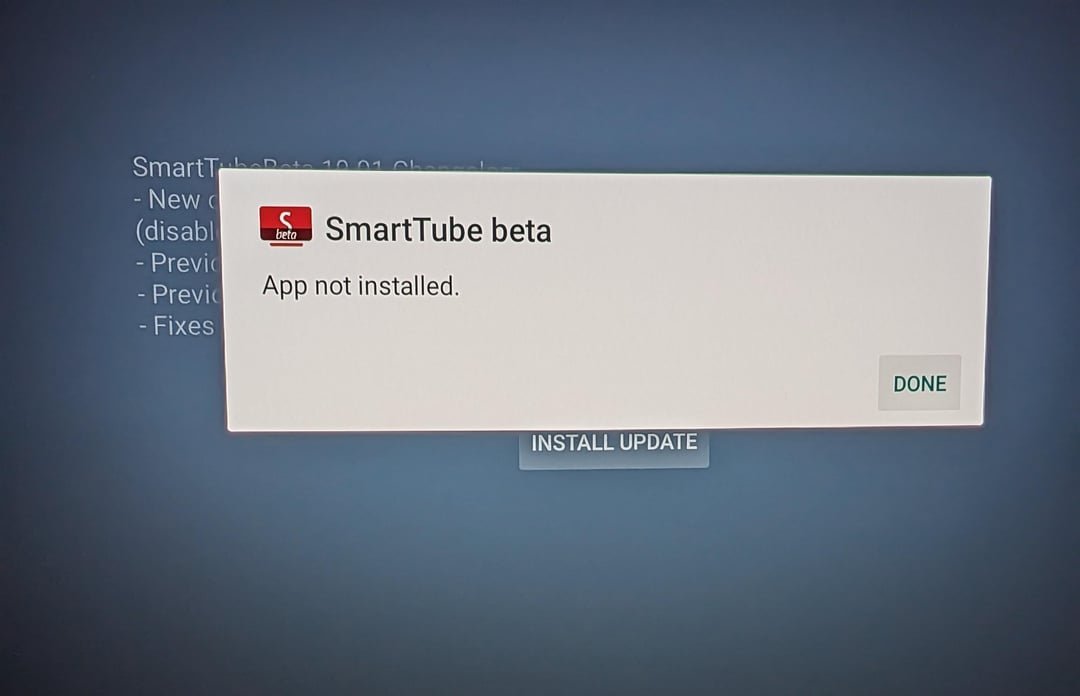
Can I fix the app not installed error without deleting data?
Yes, you can often fix it by clearing your app cache or freeing up space without losing your personal files. Go to your storage settings and clear the “Cache” for your browser and the Google Play Store app. This removes temporary data that might be blocking the new installation. If the error continues, it means the conflict is deeper, and you may need to clear the data for the specific app you’re trying to update. Always back up your important photos and documents before clearing any app data.
Why does the app not installed error happen on new phones?
It often happens because the new phone is running a different Android version than your previous device. If you’re moving an app from an old phone to a new one, the new operating system might block the file because it’s outdated or lacks the required security certificates. Always check the app store for a version built for your current Android version. If the app is no longer supported, the error is the system’s way of preventing a crash.
How long should I wait for an app to install?
If the progress bar hasn’t moved for two minutes, the process is likely hung or the file is corrupted. Don’t keep waiting for ten or twenty minutes, as this won’t help. If it stays stuck, cancel the install, clear your cache, and try the download again. If it fails a second time, the file is likely incompatible with your phone.
Is it safe to bypass the app not installed error?
No, it isn’t safe if the error is caused by a security certificate mismatch or a “blocked by Play Protect” warning. These errors exist to stop malware from taking control of your device. If you bypass these warnings, you risk giving an app access to your private data, microphone, or camera. Only ignore these prompts if you’re absolutely certain the source is legitimate and the app is reputable. If you’re in doubt, it’s safer to find a different, verified application.
What happens if I keep getting the app not installed error?
If you keep getting the error after trying all the fixes, your device may be incompatible with the app’s requirements. This often happens if the app requires a specific hardware component, like a gyroscope or a specific screen resolution, that your phone lacks. It could also mean your Android OS is too old for the latest version of the application. At this point, the best approach is to contact the developer directly or look for a compatible alternative in the official store.
Final Thoughts
If these quick fixes don’t do the trick, it’s a good idea to reach out to the app developer for further help. They’ll often have specific insights into why their software isn’t playing nice with your device. Don’t worry, you’ll likely get everything running smoothly with just a little extra guidance.