The most common reason for an electrolux oven light not working is a simple burnt-out light bulb that needs a basic replacement. Before you assume the appliance has a major electrical fault, check the bulb, as these components have a limited lifespan and fail periodically through normal use.
Why your Electrolux oven light not working
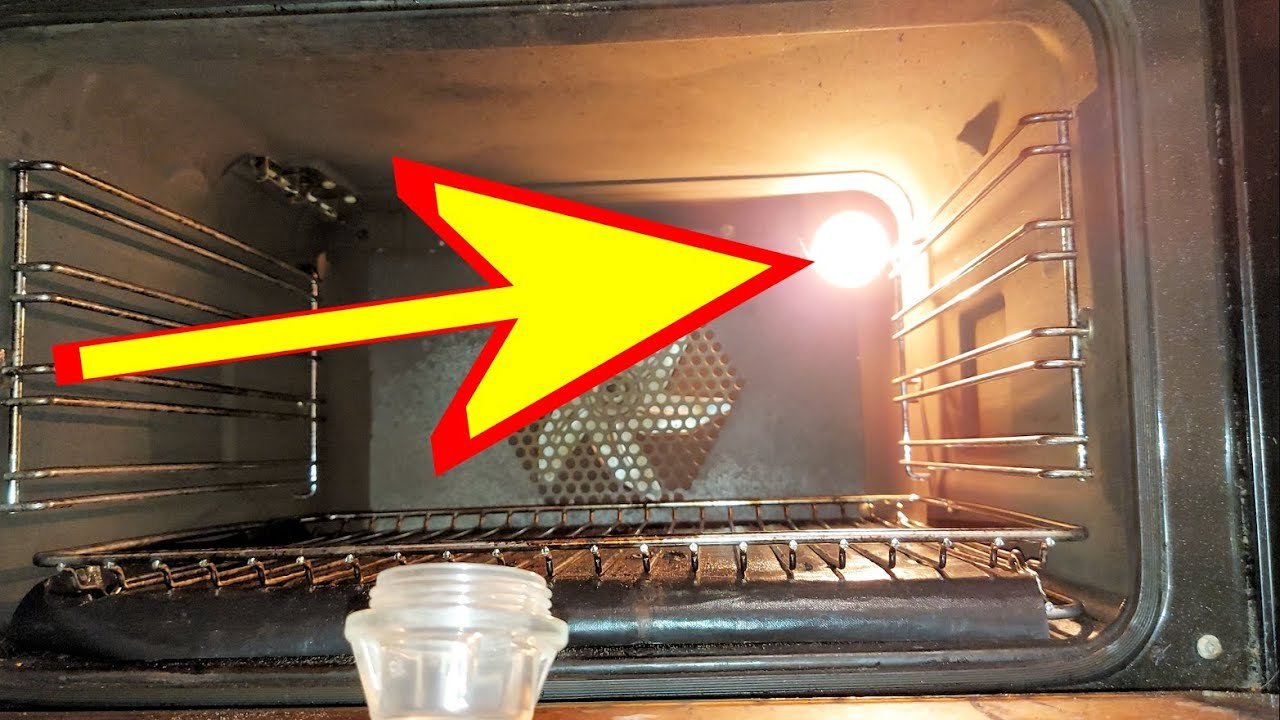
Oven lights fail because the filament inside the bulb eventually snaps due to the intense, repeated thermal cycling of the oven environment. Every time you heat your appliance to high temperatures, the metal components expand and contract, which wears down the delicate parts of the bulb. This isn’t a sign that the appliance is broken, but rather a standard maintenance task you should expect over the life of your unit.
Another possible cause is a loose connection at the bulb socket. Over time, the vibration of the oven fan or the heat expansion of the metal housing can cause the bulb to back out slightly, breaking the electrical contact. This is common if the bulb wasn’t tightened fully during the last change.
Finally, the issue may involve the door switch. Modern ovens are designed to turn the light on when the door opens and off when it closes to save energy. If the switch gets stuck in the “closed” position due to grease buildup or a mechanical failure, the light will remain off even if the bulb is perfectly fine. You can often identify a faulty switch if the light fails to activate when you manually press the door plunger. This varies by model — check the label or manual for the specific location of your door sensor.
Replace the bulb
If the light is out, your first step should be replacing the bulb with a compatible unit. This fix is for anyone who can safely reach the bulb housing inside the oven cavity. Ensure the oven is completely cold and the power is disconnected at the breaker before you touch any part of the light assembly.
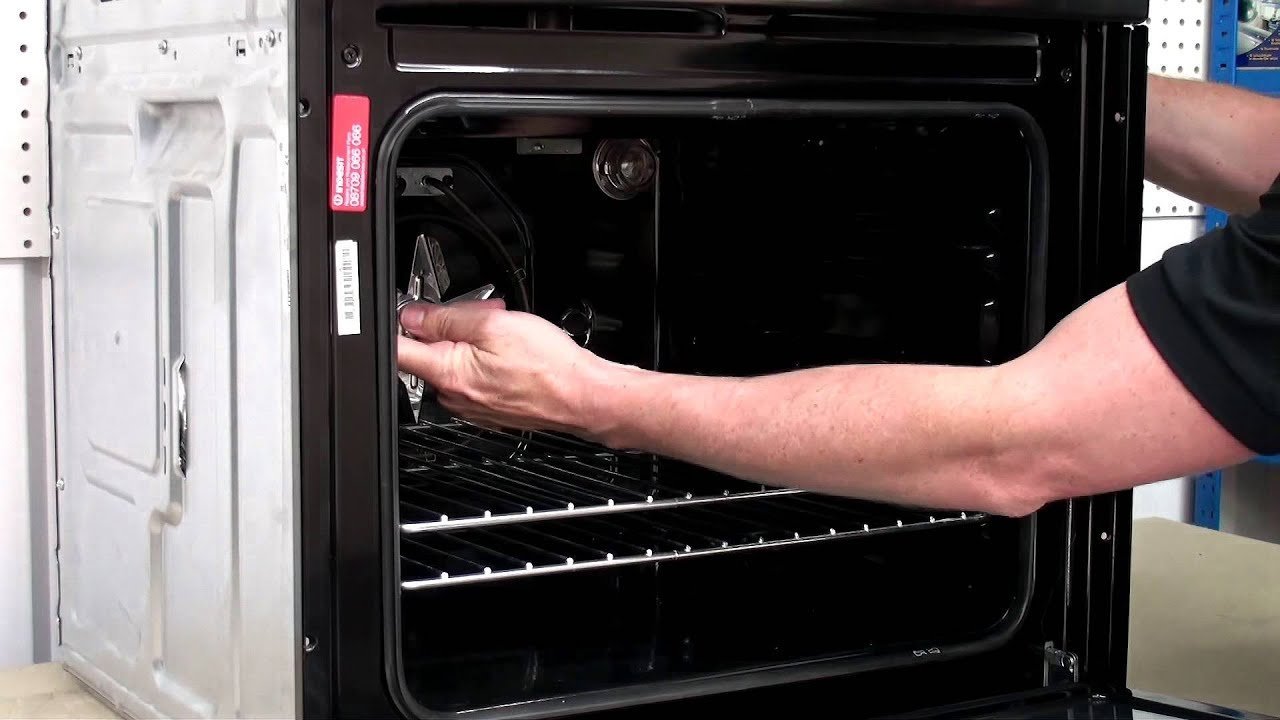
To replace it, remove the glass cover, which usually unscrews by turning it counter-clockwise. If the cover is stuck due to baked-on grease, use a soft cloth to get a better grip, but don’t use metal tools that could crack the glass. Once the cover is off, unscrew the old bulb and install a new one that matches the specific wattage and base type required by your manual.
It’s vital to use only the bulb type specified by the manufacturer, as using a bulb with too high a wattage can melt the plastic housing or damage the wiring. Electrolux support resources provide specific guidance on identifying the correct parts for your model. If you find the new bulb still doesn’t light up, the problem lies deeper in the wiring or the control board. At that point, stop all attempts to fix it yourself, as internal electrical components require a qualified technician to handle them safely.
Clean the switch
If you have replaced the bulb and the light still doesn’t turn on, the door switch is the next likely culprit. This fix is for those who notice the light doesn’t flicker or turn on even when the door is fully open. The switch is usually a small, spring-loaded plastic plunger located in the door frame.
Often, these switches get stuck because of food debris or grease. Use a clean, dry cloth to wipe around the plunger. If it feels sticky, you can use a cotton swab lightly dampened with a small amount of isopropyl alcohol to clean the edges of the plunger. Push the plunger in and out several times to work the cleaner into the mechanism and ensure it moves freely.
If the switch remains stuck or does not “click” when you press it, the internal spring has likely failed. If the switch doesn’t trigger the light after cleaning, don’t attempt to disassemble the door frame or remove the switch assembly yourself. This involves accessing internal wiring, which is a job for a professional service technician. If you aren’t comfortable cleaning near the electrical sensor, call the manufacturer’s support line to request a professional inspection.
Check the power supply
Sometimes the issue isn’t the oven at all, but the power reaching the unit. This fix is for cases where the oven display is also blank or the fan doesn’t start. Check your home’s main circuit breaker panel to ensure the breaker for the oven hasn’t tripped.
If you find a tripped breaker, flip it to the “off” position and then back to “on.” If it trips again immediately, this indicates a short circuit that you must not ignore. If the oven has power but the light is still off, the issue may be a loose wire behind the control panel. If you see signs of burning, hear a buzzing sound, or smell smoke, leave the unit off and call a professional immediately.
This is a trade-off: you can handle a simple bulb replacement, but you must avoid touching any internal electrical components. If you’re ever unsure about the state of your wiring, it’s safer to pay for a professional repair than to risk a fire or electric shock. A technician has the training to safely test the control board and internal circuits without damaging the appliance or voiding your warranty.
What not to do
Don’t use metal tools to pry off the light cover: You’ll likely chip the glass or scratch the oven interior. These micro-fractures compromise the seal, leading to rust or shards of glass falling directly into your food. Use a silicone or plastic tool designed for delicate surfaces, or a soft cloth to improve your grip.
Don’t attempt to bypass the door switch: Connecting wires together to force the light on creates a severe fire hazard. It also confuses the oven’s control board, which may prevent the unit from entering its proper heating cycle. If the light stays off, check the bulb first; if that fails, the issue is likely a faulty relay rather than the switch.
Don’t touch the light socket with your fingers while the power is on: Even if the bulb is removed, the socket can hold a residual charge. You risk a serious electric shock. Always flip the circuit breaker at the main panel, not just the oven switch.
Don’t use a standard household bulb: These aren’t designed for extreme heat. They will shatter or burn out within minutes. Only use an appliance-rated bulb labeled for high-temperature service.
How to stop it happening again
Regular maintenance and gentle cleaning are the best ways to keep your oven light functional. If you’re doing this, you’ll likely avoid the most common failure points.
| If you’re doing this | Do this instead | Why |
|---|---|---|
| Forcing the light cover off | Use a soft, dry cloth | Prevents glass breakage |
| Touching bulbs with bare hands | Use a clean paper towel | Oil from skin causes hot spots |
| Ignoring a flickering light | Replace the bulb early | Prevents the filament from exploding |
Most owners wait until the bulb burns out completely before taking action. This is a mistake. A flickering bulb often indicates a failing socket connection, which can arc and melt the plastic housing if left unattended. If you notice a dimming light, inspect the socket for charred residue immediately.
If the socket looks clean but the light remains dim, check your voltage levels. If you see discoloration on the bulb glass, it’s already compromised. Replace it before the glass shatters inside your oven cavity. If the replacement bulb fails prematurely, the socket may be damaged or corroded and should be inspected by a professional.
Frequently asked questions

Can I use an LED bulb in my oven?
No, you shouldn’t use a standard LED bulb unless the manufacturer explicitly states it’s rated for high-temperature oven use. Most LED bulbs contain electronic components that will fail or melt when exposed to the extreme heat of an oven. Always check your owner’s manual to verify if your specific Electrolux model supports LED replacements, as standard household LEDs aren’t built to withstand these conditions.
Why is my oven light flickering?
A flickering light usually indicates that the bulb is nearing the end of its life or the connection at the base is loose. If the bulb is loose, try tightening it gently while the oven is cold and the power is off. If it continues to flicker after you have tightened it, the filament is likely damaged and the bulb will soon stop working entirely.
How long does an oven bulb usually last?
There’s no fixed lifespan for an oven bulb, as it depends entirely on how often you use the oven and at what temperatures. Bulbs that are subjected to frequent high-heat roasting will fail much faster than those in ovens used only for occasional baking. If you notice the light is dimming or flickering, it’s a good sign that the bulb is reaching the end of its functional life.
Is it safe to use the oven if the light is out?
Yes, it’s perfectly safe to use your oven even if the light isn’t working. The light is a convenience feature and doesn’t affect the heating elements, the temperature control, or the safety of the cooking process. You can continue to cook your meals as usual, provided the oven is heating properly and the door seals are intact.
What happens if I touch the new bulb with my skin?
If you touch the glass of a new halogen bulb with your bare fingers, the oils from your skin will transfer to the surface. These oils create hot spots on the glass when the bulb heats up, which can cause the bulb to crack or burn out prematurely. Always use a clean, dry paper towel or a pair of cotton gloves when handling or installing a new oven bulb.
Final Thoughts
If the illumination still doesn’t return after you’ve swapped the bulb, there’s likely a loose connection or a faulty socket. Don’t hesitate to contact a professional technician if you’re unsure about internal wiring. It’s better to be safe than sorry when you’re dealing with your kitchen’s electrical components.
Related guides