
To end kernel panic not syncing, you must force a hard reboot to reset the system and investigate recent hardware or software changes. Because the operating system has stopped responding, you cannot use the standard shutdown menu. Instead, hold the power button until the machine turns off.
Understanding why you get end kernel panic not syncing
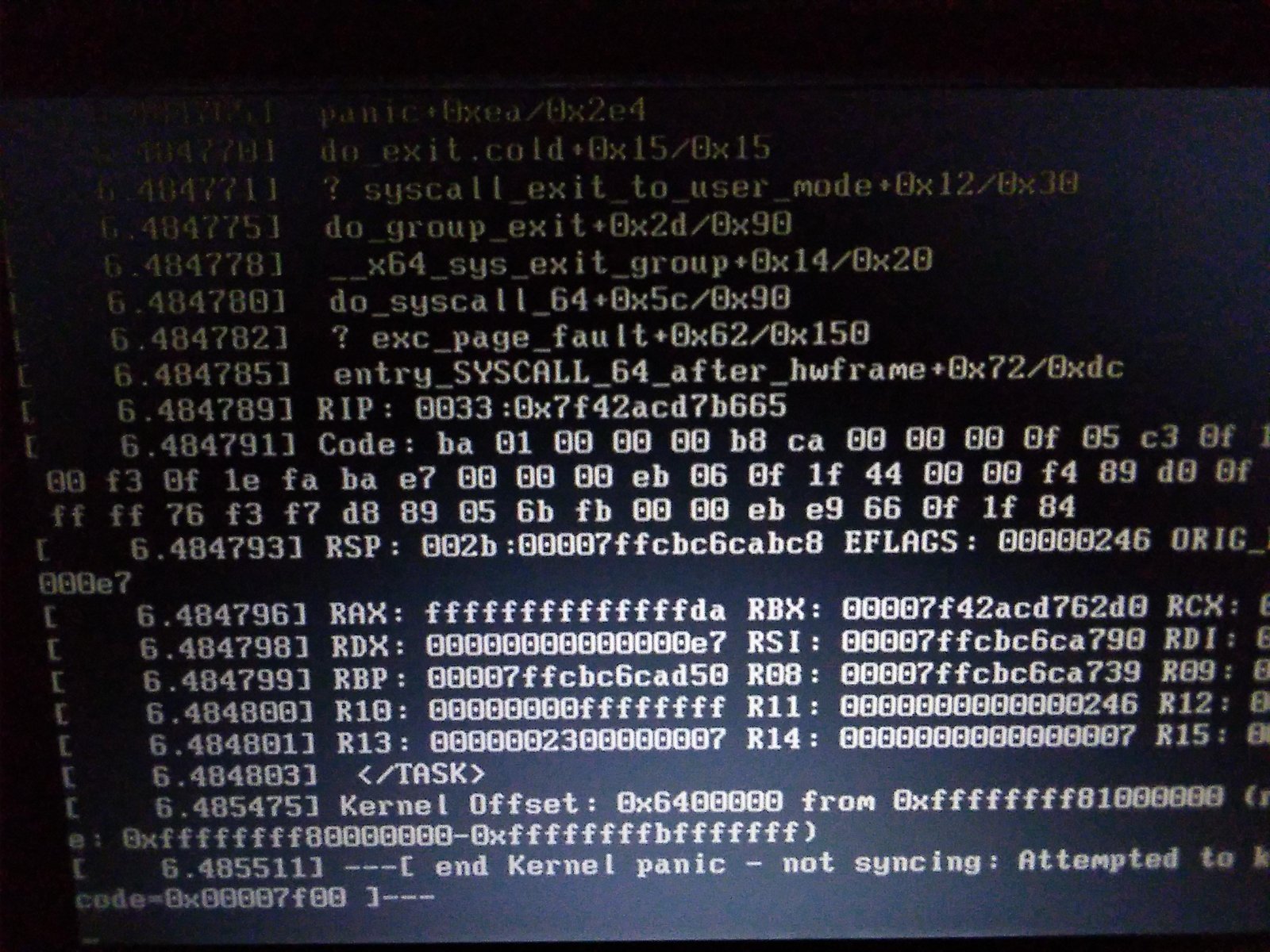
A kernel panic occurs when the operating system detects a critical failure in the software or hardware that prevents it from continuing safely. The “not syncing” portion of the message means the kernel has lost the ability to write data to the disk or communicate with other system components, effectively freezing the computer to prevent data corruption.
The most common cause is a conflict with a hardware driver. If you recently installed new hardware, such as a graphics card, network adapter, or external storage drive, the software controlling that device may be sending instructions the kernel doesn’t understand. When the kernel receives these invalid commands, it shuts down the system immediately to protect the integrity of your files.
Another frequent cause involves corrupted system files. If a vital component of the operating system is missing or has been altered, the kernel may fail to load properly during startup. This is often triggered by an interrupted software update or a failing hard drive. If your disk is physically damaged, the system may struggle to read the files it needs to run, leading to a crash.
Finally, hardware failures like faulty RAM modules are common culprits. If the memory responsible for storing temporary instructions contains errors, the information the processor receives will be incorrect. The kernel detects this inconsistency and triggers a panic.
Check your recent hardware changes
This fix is for users who have added new components or peripherals to their machine within the last few days. If you have installed a new device, it’s likely the source of the conflict. Start by unplugging all non-essential hardware, including USB drives, webcams, printers, and secondary monitors. Leave only your keyboard and mouse connected.
Attempt to start the computer again. If it boots successfully, one of the devices you disconnected is causing the issue. Reconnect them one at a time, restarting the computer after each connection, to identify which piece of hardware triggers the crash. Once you find the problematic device, check the manufacturer’s website for updated drivers.
If you recently added internal hardware, such as a new graphics card or a memory stick, you must physically remove it to see if the system recovers. If the computer runs fine without the new part, the component may be defective or incompatible with your system configuration.
This approach isn’t for those who lack experience opening computer cases, as you risk damaging sensitive electronic components. If you’re uncomfortable handling internal hardware, take the device to a professional technician. Always ensure the power supply is disconnected before touching any internal parts to avoid electrical shock.
Run a file system check
This fix is for cases where software corruption or an improper shutdown has damaged your disk structure. When the file system is inconsistent, the kernel can’t read the boot instructions, leading to a panic. To repair this, you need to boot your computer into a recovery environment or use a live installation media, such as a USB drive containing your operating system.
Once you’re in the recovery shell, you must identify your system partition. On most systems, this is a command-line tool like fsck. You’ll need to run the command with the correct flags to scan and repair the errors found on your drive. If you’re using a standard Linux distribution, the command is typically fsck -y /dev/sdX, where “X” represents your specific drive identifier.
The -y flag tells the system to automatically fix any errors it finds without asking for confirmation for every single repair. This is a powerful command, so be sure you have selected the correct drive, or you may inadvertently damage other partitions. If the tool reports that it has fixed several errors, shut down the system and attempt a normal boot. If the process fails or reports that the disk is beyond repair, your hard drive may have reached the end of its physical lifespan and will require replacement.
Reset your BIOS or UEFI settings
This fix is for users who have modified low-level system settings or who are experiencing stability issues after a firmware update. Sometimes, the settings stored in your motherboard’s firmware can conflict with the operating system’s requirements. If you have overclocked your processor, adjusted memory timings, or changed the boot order, these settings might be causing the kernel panic.
To perform a reset, restart your computer and enter the BIOS or UEFI menu by pressing the designated key, which is usually F2, F12, or Delete, depending on your motherboard manufacturer. Once inside, look for an option labeled “Load Optimized Defaults” or “Reset to Default Settings.” Select this option, save your changes, and exit.
This is a safe operation that won’t delete your files, but it will revert any performance tuning you have applied. If the system boots normally after this reset, one of your previous custom settings was likely causing the instability. If the system still crashes, the issue is deeper, and you may need to update your BIOS firmware. Updating firmware carries a risk of “bricking” your motherboard if the power cuts out during the process, so ensure you’re on a stable power source. If you’re unsure how to navigate your specific BIOS, refer to your motherboard manual for the exact steps to restore factory settings.
What not to do
- Don’t repeatedly force a reboot by pulling the power cord while the system is trying to load, as this causes further file system corruption.
- Don’t attempt to reinstall your entire operating system before backing up your personal files, because you could lose your data during a format.
- Don’t ignore the error message by hoping it will go away on its own, as kernel panics usually indicate a persistent hardware or software issue that will recur.
- Don’t open the power supply unit to fix a crash, as the capacitors inside hold a lethal electrical charge even when unplugged.
- Don’t change multiple BIOS settings at once, because you won’t know which change fixed the issue or which one made it worse.
How to stop it happening again
Regular maintenance and cautious updates are the best way to prevent future kernel panics.
| If you’re doing this | Do this instead | Why |
|---|---|---|
| Overclocking hardware | Run at factory speeds | Prevents memory and CPU errors |
| Skipping OS updates | Install stable releases | Patches known kernel bugs |
| Ignoring disk warnings | Run disk health checks | Finds failing drives early |
| Installing beta drivers | Use signed, stable drivers | Ensures kernel compatibility |
Frequently asked questions
Can a kernel panic damage my computer?
No, a kernel panic doesn’t physically damage your hardware. It’s a protective measure that stops the system to prevent corrupted data from being written to the disk. Note that damage often results from the underlying hardware failure or improper forced power-offs rather than the panic itself.
Why does my computer crash only when playing games?
Your crashes likely occur because gaming places high demands on your graphics card and memory, exposing failing hardware. When components are defective, they may work fine for light tasks but produce errors under load. Ensure your graphics drivers are updated and check your internal fans for dust buildup.
How long does a file system check take?
The time required depends on your drive size and error count, typically taking between fifteen minutes and two hours. Don’t interrupt the check once it has started, as doing so can cause significant data loss.
Is it safe to continue using a computer that had a kernel panic?
No, you shouldn’t continue using the machine until you have resolved the root cause of the crash. Frequent panics indicate that your system is unstable and ignoring them often leads to permanent file system corruption. Use the troubleshooting steps provided to find the source of the error.
What happens if I ignore the error?
Ignoring the error will likely increase crash frequency, eventually leading to complete system failure. Many kernel panics serve as a final warning sign before a hard drive or RAM module dies completely. Addressing the cause early can help you save your data and avoid expensive hardware replacements.
Final Thoughts
If the problem persists, it’s a good idea to check your system logs for recurring error messages. Don’t worry if you can’t find the cause right away; reaching out to a technical support forum often helps. You’ll likely get your computer running smoothly again once you identify the underlying conflict.
Related guides