Most of the time, an energex street light not working is caused by a simple power outage or a faulty photocell sensor that isn’t detecting darkness correctly. In most cases, these issues are handled by the network provider, and you shouldn’t attempt to fix or touch the electrical components yourself. You can quickly confirm if the problem is localized to one pole or affecting the whole street by checking if your neighbors’ lights are also dark. If you see multiple lights out, the issue is likely a larger grid fault.
| Cause | How common | How to confirm it | Fix it yourself? |
|---|---|---|---|
| Grid power outage | Very common | Check nearby street lights | No |
| Faulty photocell sensor | Common | Light stays off at night | No |
| Blown lamp bulb | Common | Light is dark every night | No |
| Damaged wiring | Occasional | Exposed wires or sparks | No |
| Vegetation interference | Rare | Branches touching the pole | No |
| Blown distribution fuse | Rare | Multiple lights out nearby | No |
Energex street light not working: Power issues
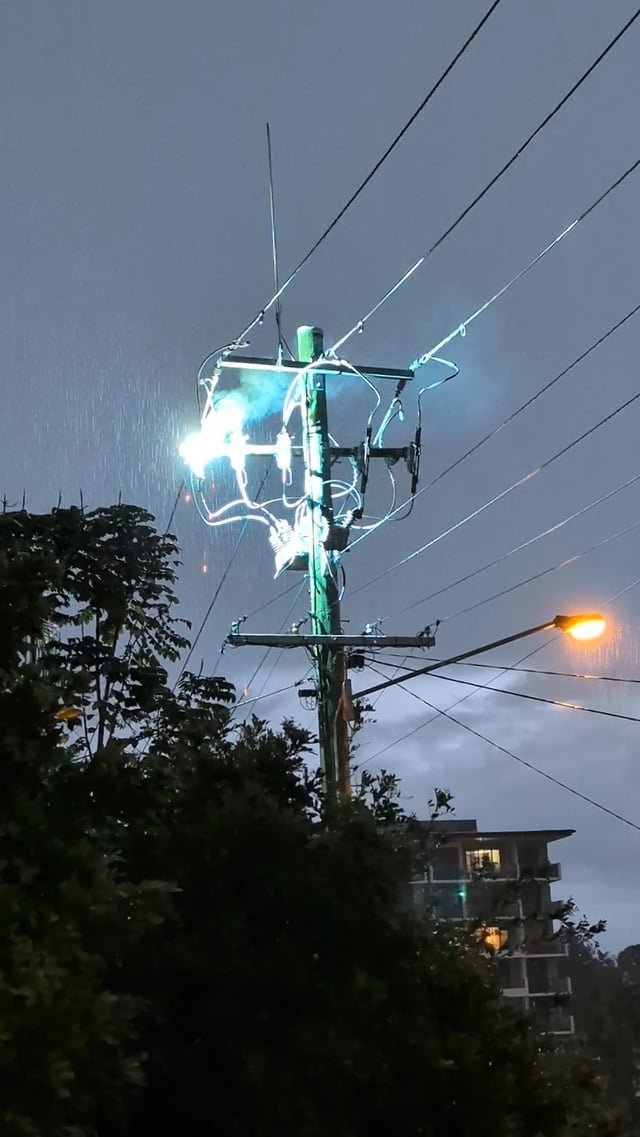
A grid-wide power failure is the most frequent reason for a dark street, often caused by local transformer issues or planned maintenance. When the power supply to the entire circuit is interrupted, the street lights will naturally stay off. You can confirm this by looking at the lights on the next street over; if they’re also out, it’s a system-wide problem rather than an individual unit failure.
Most residents make the mistake of calling local council offices for grid outages. This adds a layer of bureaucracy that delays repair times by up to 24 hours. Instead, check the network operator’s live outage map first. If your street appears on their map as an active incident, the utility is already aware and a crew is likely en route.
Because street lighting is part of the public infrastructure, it’s managed by the network operator, and you should report the outage through their official Energex street light reporting page. This isn’t a task for homeowners, as working with high-voltage equipment requires specialized training and protective gear. Attempting to access the pole or the light housing is dangerous and against safety regulations.
If you’re ever unsure about the safety of a pole, especially if there’s visible damage to the base or wires, stay at least eight meters away and call the emergency line immediately. Never assume a downed wire is dead, as back-feeding from solar installations can keep lines energized.
Photocell sensor failure
The photocell is the small sensor at the top of the street light that tells it when to turn on as the sun goes down. If this sensor is dirty, blocked by debris, or has reached the end of its life, the light will fail to switch on even when it’s completely dark outside. You can identify this issue if the light stays off during the night but the grid power in your house is working fine.
This isn’t a repair you can perform, as the sensor is mounted high up on the pole and requires a bucket truck to reach safely. If you try to fix this yourself, you risk a fall or electrical injury, and you’ll likely void the safety compliance of the public equipment. If you see a light that stays on all day, this is also a sign of a failing sensor that needs a report. The utility provider tracks these failures to maintain consistent lighting levels across the neighborhood. Always check the light for three consecutive nights before assuming the sensor is the culprit, as temporary shadows or bright light sources like security lamps can sometimes trick the sensor into staying off.
Lamp or internal component failure
The light bulb inside the fixture, often a high-pressure sodium or LED module, can burn out or fail due to age. This is a common occurrence as these lights run for thousands of hours each year. You can tell this is the issue if only one specific light is dark while others on the same street are working perfectly.
This isn’t a do-it-yourself job. Street lights operate at voltages that are lethal to untrained people, and the repair process involves specialized tools and high-reach equipment. Attempting to access the fixture yourself is a violation of municipal safety codes and can result in severe electrical burns or a fall from height.
The cost of the repair is managed by the local council or network provider as part of their public service budget, so there’s no cost to you as a resident. If you notice a flickering light, that’s often a precursor to a total lamp failure.
When you report the light, provide the specific pole number, which is usually a metal tag located about two meters up the pole. This helps the crew find the exact location without needing you to stand by. If the tag is missing, provide the address of the nearest property.
The time to fix a single lamp is usually short, but the crew might wait until they have a full load of repairs in your area to maximize efficiency. If a light remains dark for more than ten business days after your report, escalate the ticket by referencing your initial report number.
The less likely causes
Damaged wiring: If the pole shows signs of a vehicle collision, the underground or internal wiring may be severed, which requires urgent professional attention. Check the base of the pole for concrete cracks or deep gouges in the metal. If you see exposed copper, stay at least thirty feet away and report it as a downed line immediately.
Vegetation interference: Large tree branches may be blocking the light’s path or pressing against the sensor, which the utility provider handles by trimming the growth.
Blown distribution fuse: If a whole section of a street is dark, a fuse in the local distribution box may have tripped. This is a grid-level failure rather than a single bulb issue.
Incorrect installation: If a new light never worked, the wiring connections might be loose. This is a warranty issue for the installing contractor.
What a fix usually involves
A repair for a street light involves specialized equipment and a qualified crew, as the components are mounted at significant heights. The fix typically requires a utility truck with a hydraulic lift, a set of specific replacement parts like a new LED driver or a lamp housing, and a technician who understands high-voltage safety. The cost of these repairs is covered by the network provider or local municipality, meaning it’s free for the person reporting the issue.
When you report a fault, the time to completion depends on the availability of crews and the complexity of the repair. A simple bulb replacement is a quick task, but if the issue is a damaged underground cable, it may take longer. You can check the current status of your reported fault through the official tracking portal provided by the network operator. This ensures you don’t need to follow up multiple times, as the system automatically updates once the work is completed.
Why is my street light blinking?
A blinking light is usually a sign that the lamp is reaching the end of its life and is failing to maintain a steady arc. You should report this to the network provider, as it will likely go completely dark soon. Don’t attempt to fix it, as the internal components can be unstable.
Is it safe to park under a dark street light?
It’s safe to park your vehicle, but stay aware of your surroundings if the area is unlit. If the light is dark because of a damaged pole or exposed wires, keep a safe distance. Report the hazard to the local utility provider immediately so they can secure the area.
How long does it take for a light to be fixed?
The utility provider prioritizes repairs based on safety risks and the number of reports for a specific location. You can check the expected service times on the provider’s website.
What happens if I try to fix the light myself?
You risk serious injury from high-voltage electricity and may face legal consequences for tampering with public utility infrastructure. These systems aren’t designed for DIY maintenance, and any intervention can void the safety standards of the equipment. Always leave the work to the authorized professionals who have the proper training and safety equipment.
Does it matter if the street light is LED or older?
The reporting process is the same regardless of the technology, but the repair method differs significantly. LED lights are modular and often replaced as a unit, while older lamps require specific bulb types. The utility provider uses the pole number to identify the exact light type and sends the correct crew and parts.
Can I request a new street light for my street?
You can request additional lighting through your local council, but there’s no guarantee it will be approved. The decision depends on local traffic safety rules and the current density of lighting in your area. Contact your council’s infrastructure department to find out their specific criteria for new installations and the process for submitting a formal request.
Final Thoughts
Once you’ve reported the outage through the official website, you’ll receive a reference number to track the repair progress. It’s best to keep an eye on your street over the next few evenings. If the area doesn’t brighten up after a few days, don’t hesitate to follow up with them again.
Related guides