Signing out of your Apple ID and signing back in again is the most effective way to resolve an icloud not syncing unknown error on your device. This process forces your phone or computer to re-authenticate its connection with Apple’s servers, which often clears temporary glitches in your cloud data. If you’re using a shared family plan, this assumes you have the correct password; for users with multiple Apple IDs, note that iCloud data doesn’t merge across different Apple IDs.
Causes of the iCloud syncing error
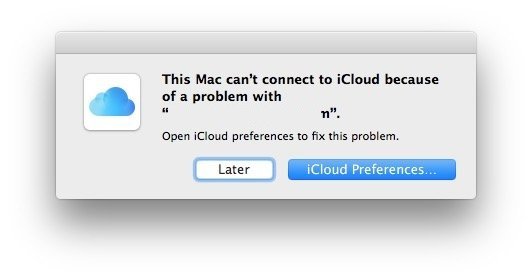
Most sync issues occur because of a breakdown in the secure “handshake” between your device and the Apple System Status page. When your device loses its token—the digital key that proves your identity—it can’t update your files, leading to that vague error message.
Another common cause is a conflict in your local storage. If your device is completely full, it can’t download the metadata required to sync new changes. This happens because the system needs a small buffer of empty space to manage temporary sync logs.
Finally, outdated software can cause communication errors. Apple updates its cloud protocols periodically to improve security. If you’re running a version of iOS or macOS that’s several years old, your device might be using a protocol that the servers no longer support. This varies by model—check the label on your device settings under “Software Update” to see if a newer version is available. If your hardware can’t run the latest OS, you may be limited in how you can sync your data.
Check your network connection
This fix is for users who suspect their internet is blocking the sync process. If you’re on a public Wi-Fi network at a coffee shop or office, the network firewall often blocks the ports Apple uses for iCloud.
To test this, switch from your current Wi-Fi to a cellular data connection or a different, private home network. If the sync starts working immediately, your router or workplace firewall is the culprit. You can try turning off your router for 30 seconds and turning it back on to clear the local network cache. If you’re using a VPN, turn it off completely. VPNs often hide your IP address in a way that makes Apple’s security systems think your device is in an unauthorized location, which triggers the sync error.
This isn’t for users who have a stable, private connection. If you’re at home and still seeing the error, don’t waste time resetting your router; move to the next fix instead. If you require a secure connection for work, check with your network administrator to ensure the specific ports for iCloud services aren’t being filtered.
Update your system time
Incorrect date and time settings are a frequent but overlooked cause of sync failures. iCloud uses time-stamped security certificates to encrypt your data. If your device thinks it is 2022 when it’s actually 2024, the security certificate will appear expired to the server, and the connection will be rejected.
Go to your device settings and find the “Date & Time” menu. Ensure the toggle for “Set Automatically” is turned on. If it’s already on, toggle it off, wait five seconds, and toggle it back on. This forces the device to ping a time server and reset its internal clock. Once the clock matches the actual time, restart your device to refresh the connection.
This fix is simple but vital. It works for almost all users who have recently traveled across time zones or let their battery die completely. If your clock is correct and you still see the error, the issue isn’t with your time settings. This is a common mistake people make when trying to fix sync issues; they assume the time is correct because the phone shows the right hour, but the internal system clock may be misaligned by seconds or milliseconds, which is enough to break the secure handshake.
Sign out and sign in again
This is the most thorough way to refresh your account data without deleting your personal files. Before you start, ensure you have a backup of your important documents or photos on a computer or external drive.
To perform this, navigate to your account settings and select “Sign Out.” When prompted, choose to keep a copy of your data on the device. Once you’re signed out, restart your device completely. After it reboots, go back to the same menu and sign in again with your Apple ID and password.
This process clears the corrupted cache files that are often hidden deep in the system. It’s a trade-off: you’ll have to wait for your photos and files to re-index, which can take anywhere from ten minutes to a few hours depending on the amount of data in your account. If you have over 50 gigabytes of data, expect the initial re-sync to take longer. This isn’t for users who don’t have their Apple ID password handy. If you can’t remember your password, you must reset it through Apple’s official recovery site before signing out, or you’ll be locked out of your own device.
What not to do
Don’t delete your iCloud photos or files. This doesn’t fix the sync error and will permanently remove your data from all other devices linked to your account. You can’t recover these files from the cloud once the sync command processes the deletion.
Don’t download “iCloud repair” apps. These are almost always malicious software designed to steal your credentials or install tracking files on your system. If an app asks for your Apple ID password to “fix” a sync issue, it’s a phishing attempt.
Don’t factory reset your device immediately. This is a drastic step that deletes all your apps and settings. Instead, sign out of your Apple ID and sign back in. This simple refresh solves the problem in most cases without the risk of data loss.
Don’t change your Apple ID password repeatedly. Doing this too often can trigger a security lockout from Apple. If you’re locked out, you may be unable to access your account for 24 to 48 hours, making the original sync error impossible to troubleshoot.
How to stop it happening again
Keep your device software updated and maintain a consistent storage buffer to ensure your files move smoothly.
| If you’re doing this | Do this instead | Why |
|---|---|---|
| Filling storage to capacity | Keep 5% free space | Allows room for sync logs |
| Using old software | Install latest updates | Supports newer protocols |
| Using public Wi-Fi | Use a private network | Avoids port blocking |
Most users mistake a full drive for a minor inconvenience, but it actually forces your operating system to overwrite temporary swap files constantly.
If your device starts running hot or stuttering during routine tasks, check your disk usage immediately. If you see less than 2GB of headroom, delete your cache folders first. If the lag persists after clearing space, you’re likely dealing with a corrupted background process rather than a storage bottleneck. In that specific case, perform a clean reinstall of your sync client to reset the local database.
Frequently asked questions
Can I fix this without losing data?
You can fix this error without losing data by choosing “Keep a copy” when signing out of your Apple ID. This option preserves your local files while clearing corrupt connection tokens. Ensure your critical files are backed up to a secondary location before starting.
Fixing iCloud not syncing unknown error
Your phone shows a sync failure because your security token has expired or become corrupted. This security feature prevents unauthorized access to your cloud storage. This often occurs after software updates, network changes, or device clock drifts.
How long does it take for iCloud to sync?
A full sync for 10 gigabytes of data typically completes within 30 minutes over a stable Wi-Fi connection. Sync times vary significantly based on your total storage capacity and file volume. If the progress bar stalls for over four hours, restart your device.
Is it safe to sign out of iCloud?
It’s safe to sign out of iCloud if you follow the prompts to keep a copy of your data. Choosing to delete data during sign-out removes it from your device while keeping it in the cloud. Verify “Find My” is active before signing out.
What happens if I ignore the error?
Ignoring this error will cause your device to stop backing up new photos and documents until the connection is restored. You’ll be unable to recover recent information if your device is damaged. Additionally, your other devices will stop receiving updates, causing data fragmentation.
Final Thoughts
If these connection issues persist after you have signed back in, it’s a good idea to check Apple’s System Status page online. Sometimes the problem isn’t on your end at all, and you’ll just have to wait for their team to fix the service. Don’t worry; you’re almost there.