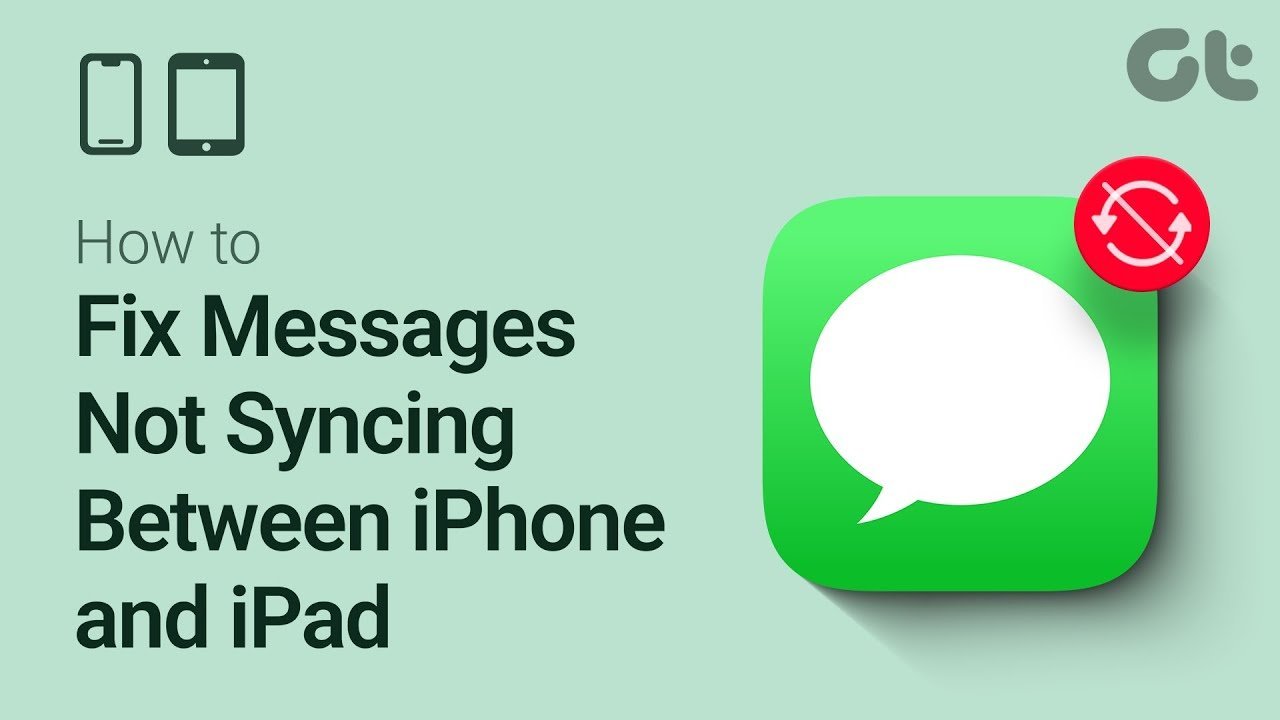
The most common reason your ipad not syncing with iphone is that both devices aren’t signed into the same Apple ID or have iCloud features disabled. You should first check the Settings app on both devices to ensure the Apple ID email matches exactly. If the accounts are correct, toggle the specific iCloud switches off and back on to force a refresh of your data. This simple step often resolves minor communication errors between your hardware.
Fixing an iPad not syncing with iPhone
Data synchronization issues usually stem from a mismatch in account credentials or a temporary glitch in the network handshake. When you expect your notes, reminders, or photos to appear across devices, your hardware relies on the iCloud servers to act as the middleman. If one device has a “stale” connection, it stops sending or receiving updates even if the internet appears active.
Another frequent cause is the state of your network settings. If you use a VPN or a restrictive firewall on your Wi-Fi, it may block the specific ports Apple uses for its sync services. Apple explains these system requirements for iCloud to ensure your devices maintain a constant, secure connection. If your software versions are too far apart, the newer device might use a sync protocol the older device can’t understand. This is a common trade-off; keeping an older device allows you to use it, but you may lose access to the latest sync features.
Finally, storage limits play a significant role. If your iCloud account is full, the server will stop accepting new data from your devices. You’ll often see a notification in your settings, but if you have ignored it, the sync process will simply hang indefinitely. This varies by model — check the label on your storage menu to see if you have crossed the capacity threshold.
Check your Apple ID settings
This fix is for users who suspect their devices are talking to different accounts. Open the Settings app on your iPhone and tap your name at the top of the menu. Note the email address listed there. Now, open the Settings app on your iPad and compare the email address under the same menu. If they don’t match, you must sign out of the incorrect account and sign in with the one used on your iPhone.
If they match, look for the “iCloud” section and tap “Show All.” Review the list of apps using iCloud. If you want your notes to sync, the toggle for “Notes” must be green on both devices. If the toggle is already green, turn it off, wait ten seconds, and turn it back on. This forces the device to re-index your data.
Who this is NOT for: This doesn’t fix issues caused by a lack of internet connectivity. If you can’t reach the internet, no amount of toggling will help. A common mistake people make is trying to sync while in Airplane Mode, which costs them time and frustration. If you’re on a public network, ensure you have completed any “log-in” or “accept terms” pages in your browser, or the sync will fail.
Update your system software
This fix is for users who have confirmed their accounts are identical but still see no new data. Software updates often include patches for the communication protocols that handle syncing. Check for updates by going to Settings, then General, and finally Software Update. If an update is available, plug your device into a power source and run the update.
This process requires a stable Wi-Fi connection. If you have a slow connection, the update may take a long time; don’t force a restart during this process, as it could corrupt your system files. If you’re using a managed device from a workplace or school, you may need to contact your IT administrator to approve or trigger the update.
If both devices are already on the latest version, try a “Force Restart.” On an iPad without a home button, press and quickly release the volume up button, press and quickly release the volume down button, then hold the top power button until the Apple logo appears. This clears temporary memory caches that can block background processes. If this doesn’t work, the issue may be a hardware-level failure in the Wi-Fi antenna, which is a professional repair job.
Manage your iCloud storage
This fix is for users who have tried the above steps but still see no progress. When your iCloud storage reaches its limit, the system freezes all new uploads from your devices. Go to Settings, tap your name, and then tap “iCloud” to see a bar graph of your storage usage. If the bar is solid red or says “Full,” you must delete old backups or photos to make space.
It’s worth the extra time to prune your “Manage Storage” list if you aren’t ready to pay for more space. Delete old backups of devices you no longer own or clear out large video files from your Photos app. If you delete files, the sync will resume within a few minutes once the server detects the new free space.
If you have plenty of space, this step is likely not the solution. Don’t spend time deleting files if your storage bar is less than ninety percent full. If you’re unable to clear space because you need all your data, you’ll have to upgrade your storage plan through the Apple ID menu. This is a financial decision, and there’s no free workaround if your cloud storage is genuinely exhausted.
What not to do
- Don’t reset your device to factory settings as a first step, because you’ll lose all local data that hasn’t yet synced to the cloud.
- Don’t sign out of your Apple ID and sign back in repeatedly, as this can trigger security locks that require a password reset or identity verification.
- Don’t install “sync fixer” apps from the App Store, as these are often marketing tools that can’t access system-level sync protocols.
- Don’t turn off your internet connection to “refresh” the sync, as the devices require a constant link to the Apple servers to complete the handshake.
How to stop it happening again
To keep your devices synced, you must maintain consistent settings and network health.
| If you’re doing this | Do this instead | Why |
|---|---|---|
| Using different IDs | Use one Apple ID | Syncing relies on a single shared account. |
| Ignoring updates | Update regularly | Newer code fixes sync bugs. |
| Filling up storage | Delete old files | Servers reject data when full. |
| Using public Wi-Fi | Use a secure network | Public portals block sync ports. |
Most users fail by ignoring the “Background App Refresh” toggle. If this is disabled, your data stays trapped on the device until you manually open the app. Check your settings under General to ensure it’s toggled on.
If you struggle to identify the culprit, check your iCloud storage breakdown. If your “Documents” category exceeds 80% of your total limit, the sync engine will prioritize system files over your personal data. In this case, clear your cache before attempting another sync. If the error persists after clearing space, toggle your Wi-Fi off and on to force a fresh handshake with the server.
Frequently asked questions
Can I sync my iPad and iPhone without iCloud?
No, Apple devices sync primarily through iCloud. While you can manually transfer files using AirDrop or third-party services, these lack the seamless, real-time background synchronization provided by iCloud for system apps. Note that manual transfers require you to move files individually whenever you need them updated.
Why do my photos not show up on my iPad?
Photos won’t sync if the iCloud Photos setting is disabled. Navigate to Settings, tap Photos, and ensure the iCloud Photos toggle is enabled on both devices. Keep in mind that syncing requires a stable Wi-Fi connection and sufficient battery power to complete successfully.
How long does it take for data to sync?
Sync times vary by data volume, with small text items typically syncing in under one minute. Large libraries of high-resolution photos or videos can take several hours depending on your upload speed. Check the status bar at the bottom of the app to monitor progress.
Is it safe to sign out of iCloud?
Yes, it’s safe to sign out, but you must choose to “Keep a Copy” of your data when prompted. If you select “Delete from my iPhone” or “Delete from my iPad” during the sign-out process, your local files will be removed. Always ensure you have a separate backup of your important documents before you sign out, as this is the best way to prevent accidental data loss during a troubleshooting session.
What happens if I have different Apple IDs?
Devices using different Apple IDs won’t sync automatically because iCloud can’t merge data between separate accounts. If you wish to merge data, you must manually export information from one account to import it into the other. This is a complex process, so consolidating to one account is recommended.
How do I know if the sync is finished?
You can confirm sync completion when the “Syncing” or “Updating” notification disappears from your app menus. The Photos app will display “Synced with iCloud” at the bottom of your library once finished. Avoid restarting your device while a progress bar is visible to prevent potential data conflicts.
Final Thoughts
If these quick adjustments don’t get your devices talking again, don’t worry. It’s a good idea to restart both gadgets, as a fresh start often clears up lingering glitches. If you’re still having trouble, you shouldn’t hesitate to reach out to Apple Support for a little extra help with your setup.