Your santander app not working is usually caused by an outdated version of the software or a temporary connection error on your phone. Most users find that refreshing their network settings or updating the app via the official store restores full access instantly. If the problem persists, it’s often due to a regional service outage or a device setting that conflicts with the bank’s security protocols. You should check the official Santander service status page to confirm if the bank is currently experiencing technical issues before you attempt to change your own settings.
Why the Santander app not working
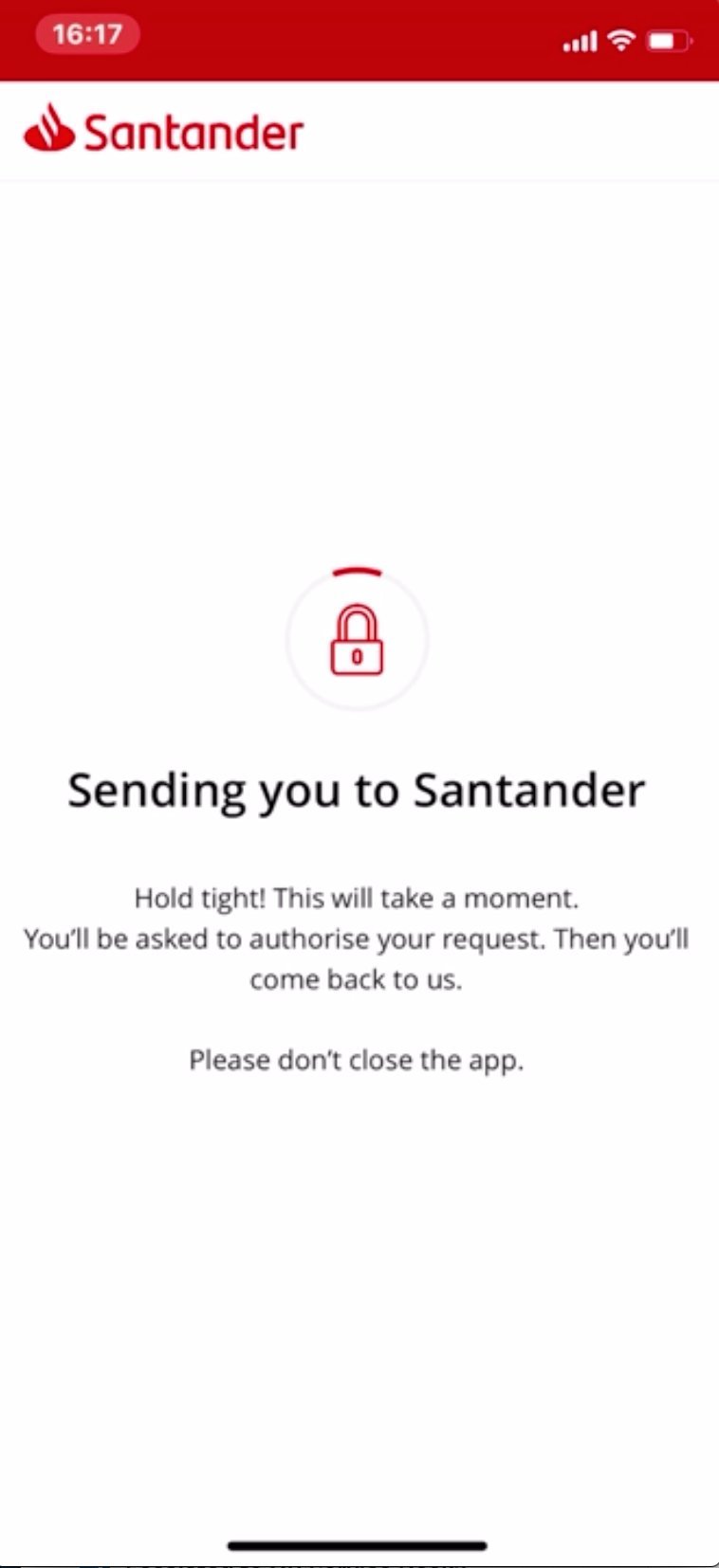
Technical glitches often occur because the mobile application requires a secure handshake between your device and the bank’s servers. If your app isn’t updated, it can’t perform this handshake correctly, which leads to a frozen screen or an error message. Developers release these updates frequently to patch security holes and ensure compatibility with newer phone operating systems.
Another common cause is your internet connection. Even if your signal bars look strong, your phone might be holding onto a “stale” connection that has lost its secure path to the bank. This is common when switching between Wi-Fi and mobile data. Your phone’s internal clock also matters; if your device time is set manually and deviates from the actual network time, the app’s security certificates will fail to validate. This is a deliberate safety feature designed to prevent man-in-the-middle attacks.
Finally, cache files can become corrupted over time. These are temporary bits of data your phone stores to make the app load faster. When these files contain conflicting information from a previous session, the app may crash immediately upon opening. This isn’t a sign of account theft, but rather a simple data conflict that happens when the app tries to read “garbage” data left over from an interrupted update or a sudden loss of power during a transaction.
Update the application
If you haven’t updated the app recently, this is the most likely fix. Open the App Store on an iPhone or the Google Play Store on Android and search for the bank. If you see a button that says “Update,” tap it immediately. This process replaces old, broken files with the current version that matches the bank’s live server requirements.
For those who have automatic updates enabled, verify that the update actually finished. Sometimes a low battery or poor Wi-Fi signal causes an update to pause mid-way, leaving the app in a broken, half-installed state. In this case, you should manually trigger the update again. If the update finishes but the app still fails, restart your phone. This clears the temporary memory and forces the operating system to recognize the new version of the app. This fix is for users who have stable internet and a device that meets the minimum OS requirements set by the bank. If you’re using a phone that’s several years old, the latest version of the app might not be compatible with your operating system. Check the app store listing to see the minimum system requirements for your device. If your phone is too old, you’ll need to use the bank’s website through a mobile browser instead of the app.
Clear your network settings
When the app refuses to connect despite having a strong signal, your phone’s network cache is the likely culprit. To fix this, you should toggle your Airplane Mode on for ten seconds and then off again. This forces your phone to drop its current connection and request a fresh, clean path from your cellular provider or router.
If that doesn’t work, you may need to “forget” your current Wi-Fi network and reconnect. Go to your settings, select your Wi-Fi, choose “Forget this network,” and then sign back in using your password. If you’re using mobile data, ensure that the app has permission to use cellular data in your phone’s privacy settings. Some phones have a “Data Saver” mode that blocks background apps from reaching the internet; if this is active, the banking app will time out because it can’t reach the server to verify your credentials. If you’re on a public Wi-Fi network, such as at a coffee shop or airport, these networks often block the ports required for secure banking traffic. Switch to your cellular data to see if the app loads correctly. If it works on cellular but not on Wi-Fi, the issue is with your router’s security settings or your ISP, not the bank or your phone. Always avoid using public, unsecured Wi-Fi for banking tasks to protect your personal information.
Reinstall the software
If the app still fails, you may need to delete it and perform a fresh install. This is the most effective way to clear out deeply corrupted files that a standard update can’t fix. Before you delete the app, ensure you have your login credentials and your device’s security PIN ready, as you’ll need to re-register your phone as a trusted device.
To do this, uninstall the app through your phone’s settings menu. Once deleted, restart your phone to clear any remaining temporary files. Go back to the official app store and download the app again from scratch. When you open it, follow the on-screen prompts to link your account. This process establishes a brand-new “secure tunnel” between your specific device and the bank’s servers. This step is worth the effort when you have already tried updating and resetting your network without success. However, if you’re currently traveling abroad or have changed your phone number recently, you might face extra verification steps, such as receiving a text code or needing to call the bank’s customer service line to verify your identity. If you don’t have access to the phone number registered with the bank, you can’t complete this process yourself and will need to contact the bank’s support team to update your contact details. Never trust third-party websites that claim to offer “official” repair tools for banking apps, as these are almost always malicious.
What not to do
- Don’t download unofficial versions of the app: Many websites claim to host “fixed” versions of banking apps, but these are often designed to steal your login credentials the moment you enter them.
- Don’t share your PIN or passwords with anyone: A bank representative will never ask for your full password or PIN over the phone or via email, so don’t provide these to anyone claiming they can “fix” your app.
- Don’t use a VPN while banking: Many banking apps trigger a security block if they detect a VPN, as the bank can’t verify your true location, which makes the app appear to be malfunctioning.
- Don’t ignore system warnings: If your phone warns you that an app is “untrusted” or “malicious,” stop immediately and remove the app, as this indicates the software has been tampered with or isn’t the genuine version from the store.
How to stop it happening again
Keep your device and apps updated to ensure the security protocols remain in sync.
| If you’re doing this | Do this instead | Why |
|---|---|---|
| Using public Wi-Fi | Use cellular data | Public networks are insecure and often block banking traffic. |
| Ignoring update alerts | Enable auto-updates | Updates contain vital security patches for your connection. |
| Keeping old OS versions | Update your phone OS | Old software lacks the security features the bank requires. |
| Using a VPN | Turn the VPN off | Banking apps block VPNs to verify your real geographic location. |
Frequently asked questions
Can I use the bank’s website if the app is broken?
You can access your accounts by visiting the official bank website through a secure mobile browser. This method allows you to manage your money if the app is down or incompatible with your device. Always type the website address directly into your browser to avoid phishing attempts.
Why does the app crash as soon as I open it?
The app likely crashes due to a corrupted cache or a conflict with your phone’s operating system. Deleting and reinstalling the app from the official store usually clears these conflicting files and restores functionality. Ensure your phone’s software is updated, as the app may require a newer OS.
How long does it take for a service outage to be fixed?
Most service outages are resolved within a few hours, depending on the scope of the technical problem. You can track the progress of these repairs on the official status page. If the issue lasts longer than a day, it may be a problem with your specific account or device.
Is it safe to reinstall the app if I am away from home?
Yes, it’s safe to reinstall the app, provided you use a secure, private internet connection. Avoid using public Wi-Fi at airports or hotels during the re-registration process. If you have changed your phone number, you must contact the bank’s support center to update your details before logging in.
What happens if I enter my PIN wrong too many times?
Entering your PIN incorrectly too many times will lock your account for your protection. You can use the “forgot PIN” feature on the login screen to reset it or call customer service to verify your identity. Never share your temporary reset code with anyone, as bank staff will never ask for it.
Final Thoughts
If you’ve tried these fixes and still can’t log in, don’t worry. It’s best to contact their customer support team directly through the website or by calling the number on the back of your card. They’ll help you resolve the issue quickly so you can get back to managing your money.
Related guides