A low battery or an expired sensor is the reason for a smoke detector red light blinking. If a smoke detector is indicating a fault or error, it should be considered non-functional and replaced immediately. Press the test button for five seconds; if it remains silent, replace the unit immediately.
Why is my smoke detector red light blinking?
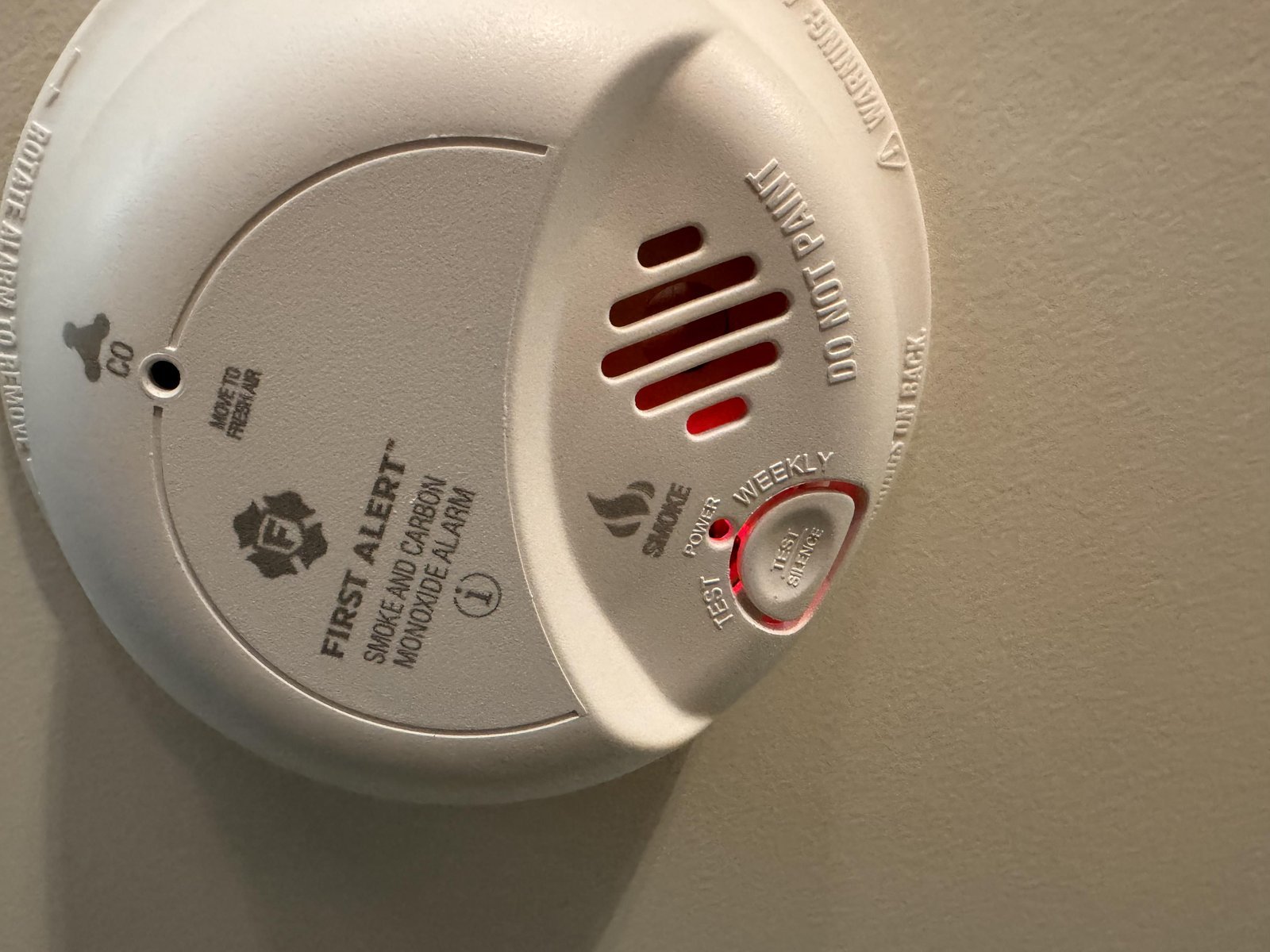
The specific rhythm of the light often points to a clear maintenance need. Misinterpreting these patterns is the most common mistake users make, often leading to unnecessary unit replacements when a simple reset would suffice.
If your unit blinks rapidly, perform a hard reset by disconnecting the power for 60 seconds. If the rapid blinking persists after reconnection, the internal processor has failed and the unit is no longer reliable.
Conversely, if you see a constant light without any blinking, verify your home’s main breaker panel. Always prioritize replacing the batteries before assuming the sensor has reached its end-of-life cycle.
Low power warnings
Most smoke alarms use a single red LED to signal that the internal battery is dying. When the voltage drops below the threshold required to sound a full-volume alarm, the device flashes its red light to draw your attention. You can confirm this is the cause by checking the date printed on the back of the unit; if the device is older, a new battery won’t stop the blinking.
To fix this, remove the device from its mounting bracket by twisting it counter-clockwise. Open the battery compartment, remove the old cells, and insert fresh alkaline batteries of the same brand and type. If you use high-capacity lithium batteries, they may last a long time, but standard alkaline batteries require replacement as part of your usual clean. Once the new batteries are installed, press the test button. If the red light stops flashing and the alarm sounds, the issue is resolved.
Reaching the expiration date
Every smoke detector contains a sensor that degrades over time, usually reaching the end of its useful life after ten years. If your device is blinking in a specific pattern, such as three flashes followed by a pause, it’s often telling you that the internal sensing chamber is dirty or worn out. This varies by model — check the label on the back for the manufacturing date or an explicit expiration notice. If the date is more than a decade old, you must replace the entire unit.
You can confirm this is the cause by looking for the “Replace By” date stamped on the plastic housing. If that date has passed, no amount of cleaning or battery swapping will stop the red light. To fix this, buy a new detector that matches your current mounting style to avoid drilling new holes. If you have a hardwired system, ensure you turn off the circuit breaker for the smoke alarm loop before you disconnect the old wires. This isn’t for those who are uncomfortable working with electrical fixtures; if you’re unsure about the wiring, hire a licensed electrician to ensure the new unit is grounded properly. The sign that you have succeeded is a steady, non-blinking state with a green “power on” light, if your model includes one, and a successful test alarm.
Internal system errors
Sometimes the device enters a “fault” state due to a power surge or a buildup of dust inside the sensor chamber. This usually presents as rapid, erratic blinking that doesn’t stop after a battery change. To rule out a simple system hang, perform a hard reset. First, remove the unit from the ceiling and take out the batteries. Press and hold the test button for fifteen seconds to drain any remaining electricity from the internal capacitors. Reinstall the fresh batteries and mount the unit back on the ceiling.
If the blinking persists, try vacuuming the vents with a soft brush attachment to remove dust that might be triggering the optical sensor. This is a trade-off; while cleaning can fix a sensitivity error, it won’t repair a damaged circuit board. If the device still blinks after a reset and a thorough cleaning, the internal hardware is likely damaged beyond repair. You shouldn’t attempt to open the sealed casing to repair internal components, as this voids the warranty and compromises the safety seal. If you have replaced the batteries and performed the reset but the blinking remains, the device is no longer reliable. The only safe path is to buy a new unit, as a malfunctioning detector is equivalent to having no protection at all.
When to stop and get help
The alarm emits a continuous, high-pitched screeching sound that doesn’t stop when you press the test button. This often signals a failed internal sensor rather than a simple battery issue.
You smell burning plastic or see melted wiring near the detector base. This indicates an active fire hazard or a severe electrical short that requires immediate power disconnection at the breaker.
The device is hardwired into your home and the wiring appears charred or loose. Attempting to strip or splice these wires without a multimeter can lead to accidental shock.
You’re unable to reach the detector safely without using a tall, unstable ladder. If you can’t maintain three points of contact while working, the risk of a fall outweighs the urgency of the repair.
If you encounter these issues, don’t attempt to fix them yourself. A smoke alarm with damaged wiring is a fire risk, and an alarm that fails to silence after a test may have a shorted internal circuit. Contact a licensed electrician or your local fire department’s non-emergency line for guidance. Never try to bypass the wiring or disable the alarm system permanently without a replacement unit already in hand.
Frequently asked questions
Can I just take the battery out to stop the blinking?
No, removing the battery leaves your home without protection. The blinking light is a warning that the device is failing to monitor for smoke, so taking the battery out doesn’t solve the underlying problem. You should replace the battery or the unit immediately to ensure your home remains safe. If the blinking is keeping you awake, replace the battery now rather than disconnecting the device entirely.
Does the red light mean there’s smoke?
No, a blinking red light indicates a status issue rather than smoke. If smoke were present, the alarm would emit a continuous siren. The blinking signals that the unit requires attention, such as a battery change or replacement.
How long does a smoke detector battery last?
You can determine how often to change your batteries by checking the expiration date on the packaging or the device label. Some modern detectors come with sealed lithium batteries that don’t need replacement for the entire life of the unit, while others require regular battery changes.
Is it safe to use a smoke detector that’s blinking?
You should treat a blinking light as a potential failure. If caused by a low battery, the device may soon become unreliable. If the sensor has expired, the unit won’t alert you to fire. Test the alarm manually; if it remains silent, the device is unsafe.
Why is my hardwired smoke detector blinking?
Hardwired detectors often blink red when the battery backup is low or missing, even if the house power is on. These units use the AC power for the alarm, but the battery acts as a backup during power outages. Check that the battery is fresh and properly connected. If the blinking continues after installing a new battery, the unit may have an internal fault or may have reached its ten-year expiration limit.
What happens if I ignore the blinking light?
Ignoring the light means the device will eventually stop working entirely, leaving you without fire protection. The blinking is your only warning that the sensor is losing its ability to detect smoke or that the power supply is failing. If you wait too long, the device may stop sounding the alarm during an actual fire. Always address the blinking light as soon as you notice it to keep your home protected.
Final Thoughts
Checking your devices regularly is a simple habit that keeps your home safe. It’s a good idea to mark your calendar for a quick inspection every few months. If you’re ever unsure about a unit’s age, don’t hesitate to install a fresh one; it’s the best way to sleep soundly tonight.
Related guides