You can resolve your iphone not syncing hotmail issues by removing and then re-adding the account through the iOS settings menu to refresh the server connection. This simple reset forces your device to re-authenticate with Microsoft’s servers and often clears stuck data packets. If you’re using a work account, check with your IT department first, as they may have security policies that prevent standard synchronization methods.
Why your iPhone not syncing Hotmail
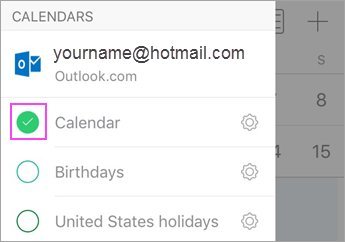
Synchronization failures usually occur because the authentication token between your device and the server has expired or become corrupted. When this happens, your phone can’t verify your credentials, so it stops pulling new emails or calendar events. This is common after you change your password or update your iOS version.
Another frequent cause involves the server settings themselves. Sometimes, the Mail app defaults to the wrong server configuration, especially if you set up the account manually rather than using the automated Outlook or Exchange setup. If the port numbers or server addresses are incorrect, the handshake between the device and Microsoft fails.
Finally, intermittent network restrictions or aggressive battery-saving modes can cause the mail fetch process to time out. If your internet connection is weak or if iOS puts the Mail app into a deep sleep, the sync will stall. This varies by model — check the label on your specific iOS version in Settings > General > About to see if you’re running the latest software, as older versions often struggle with modern security protocols. This isn’t for users who have strict enterprise-managed device profiles, as these profiles override your manual settings and require specific configurations provided by your employer.
Remove and re-add the account
For most users, deleting the account and setting it up again is the fastest way to fix communication errors. Go to Settings, tap Mail, then Accounts. Select your Hotmail account and tap “Delete Account.” Once it’s gone, return to the Accounts menu, tap “Add Account,” and select “Outlook.com.”
Enter your full email address and password when prompted. The system will automatically detect the correct server settings for you. This method is effective because it forces the phone to download a fresh profile from Microsoft. If you see a prompt asking for permission to sync Mail, Contacts, and Calendars, ensure all toggles are set to “On.”
This process doesn’t delete your emails from the web server, so you won’t lose your data. However, be aware that you’ll need to wait a few minutes for the initial sync to finish once you re-add the account. If you have thousands of emails, it might take longer to populate your inbox. If the sync still fails after this, check your network settings. You can find official guidance on troubleshooting account issues at the Microsoft Outlook support page.
Adjust fetch settings
If your email arrives sporadically, your phone’s “Fetch” settings might be the culprit. By default, iOS may be set to check for new mail only when you open the app, or it might be set to a long time interval that saves battery but hides new messages.
To change this, go to Settings, tap Mail, and then tap Accounts. Select “Fetch New Data” at the bottom of the screen. Ensure the “Push” toggle is turned on at the top. Under your Hotmail account, make sure “Fetch” is selected. At the bottom of the same screen, change the schedule to “Automatically.”
This tells your phone to prioritize background syncing when connected to power or Wi-Fi. If you choose “Manually,” your phone will never check for mail until you pull down on the inbox to refresh it. Many users mistakenly choose manual mode to save power, only to miss time-sensitive alerts for hours.
If you have an older iPhone, choosing “Every 15 Minutes” is a good compromise if “Automatically” drains your battery too quickly. This is a trade-off: more frequent syncing keeps your inbox current but will reduce your battery life throughout the day.
Use this decision rule: if you rely on immediate notifications for work, keep the setting on “Automatically.” If you’re traveling and need your phone to last until evening, switch to “Every Hour” or “Manually.” If you notice your battery dropping significantly, switch back to a longer fetch interval. Check your battery usage in Settings to see if Mail is consuming more than 10% of your daily power.
Check your network and permissions
Sometimes the issue isn’t the account, but the connection path. If you’re on a public Wi-Fi network, it might be blocking the ports required for email synchronization. Try turning off Wi-Fi to force the phone to use cellular data. If the mail starts syncing immediately, your Wi-Fi network is likely the problem.
Additionally, ensure that the Mail app has permission to use cellular data. Go to Settings, tap Cellular, and scroll down to the Mail app. Ensure the toggle is green. If this is off, your phone will only sync mail when it finds a known Wi-Fi network, which makes it seem like the account is broken when you’re out of the house.
For those using a VPN, disconnect it temporarily. VPNs can mask your location or block connections to Microsoft’s security servers, which causes the sync to hang indefinitely. If you find that the mail works perfectly without the VPN, you may need to adjust your VPN settings or whitelist your mail server. This is a common mistake that costs users hours of troubleshooting time when the fix is simply toggling a switch. If you’re in a highly restricted network environment, such as a school or corporate office, you might need to contact your network administrator to allow the traffic.
What not to do
Don’t delete the Mail app itself. Reinstalling the app rarely fixes account-specific sync issues and only forces you to re-add every email account you own. You lose all local drafts and cached attachments in the process.
Don’t perform a factory reset. Many people think a full erase is necessary, but this is a drastic step that deletes your photos and personal data without addressing the specific authentication token causing the sync error. If your calendar or contacts fail to load, the issue is almost always a corrupted token, not your device hardware.
Don’t enter manual server settings unless instructed by support. Modern iOS versions are designed to auto-configure Outlook accounts; entering manual IMAP or POP3 settings often breaks the push functionality and leads to double-delivery of messages. If you must use manual settings, verify your port numbers against the provider’s official documentation first.
Don’t change your password repeatedly. If the server is rejecting your login, changing your password won’t help; it will only make it harder to track the current credential. If you see an “Authentication Failed” prompt, wait sixty minutes before trying again to avoid a temporary IP lockout.
How to stop it happening again
Consistency is the best way to keep your inbox synced. Most sync issues arise from power-saving conflicts or outdated network profiles.
| If you’re doing this | Do this instead | Why |
|---|---|---|
| Using Low Power Mode | Turn it off when syncing | It stops background data fetch |
| Manually setting servers | Select “Outlook.com” | It uses the correct modern protocol |
| Using a free public VPN | Disable while checking mail | VPNs often block secure handshakes |
| Ignoring iOS updates | Keep iOS updated | New updates fix known sync bugs |
The most common mistake is assuming a “connected” Wi-Fi icon means your device has an active handshake with the mail server. If your messages fail to load, toggle your Wi-Fi off and wait ten seconds before reconnecting. This forces the device to drop the stale session and request a fresh authentication token.
If you still see a “Can’t Connect” error, check your date and time settings. Syncing fails instantly if your system clock drifts by more than sixty seconds from the server time. Always keep “Set Automatically” enabled in your general settings to prevent this mismatch.
Frequently asked questions
Can I fix sync issues without deleting the account?
Yes, you can often fix sync issues by toggling the Mail switch off and on in Settings > Accounts. Tap your account, turn off the “Mail” toggle, wait ten seconds, and turn it back on. This resets the local database without removing the entire profile. If this doesn’t work, you must delete and re-add the account to clear the corrupted cache.
Why is my email only syncing when I open the app?
This happens because your “Fetch” settings are set to “Manual” or the “Push” feature is disabled. Go to Settings > Mail > Accounts > Fetch New Data and set it to “Automatically.” This allows the phone to pull messages in the background. Note that this requires a stable internet connection; if your connection is unstable, the phone will wait until it’s reliable.
Is it safe to remove my Hotmail account from my iPhone?
Yes, it’s perfectly safe to remove your account from the device settings. Removing the account from the iPhone doesn’t delete your emails from the Microsoft servers. All your messages, folders, and calendar entries remain safely on the web. Once you re-add the account, the phone will simply download a fresh copy of your current inbox state.
How long does it take for Hotmail to sync after re-adding?
It usually takes between one and five minutes for your recent emails to appear. The time depends entirely on the size of your inbox and the speed of your internet connection. If you have thousands of archived messages, the phone may take longer to index them. You can check the bottom of the Mail app to see the status of the update.
What happens if my password changed on the web?
If you change your password on a computer, your iPhone will stop syncing until you update the credentials on the device. You’ll typically see a notification asking you to “Re-enter Password.” If you don’t see the prompt, you must delete and re-add the account so the device can ask for the new password.
Final Thoughts
If these adjustments don’t get your inbox flowing again, it’s worth checking your internet connection or restarting your phone entirely. Sometimes a quick reboot is all it takes to clear out lingering glitches. If you’re still having trouble, don’t hesitate to reach out to Apple Support for more personalized technical help.