An eero yellow light blinking indicates your device has lost its internet connection or IP address, leaving that node without Wi-Fi. To fix this, ensure the cable between your gateway eero and modem is secure. If the connection is firm, the issue is likely a service outage or configuration error requiring a network power cycle.
Troubleshooting an eero yellow light blinking
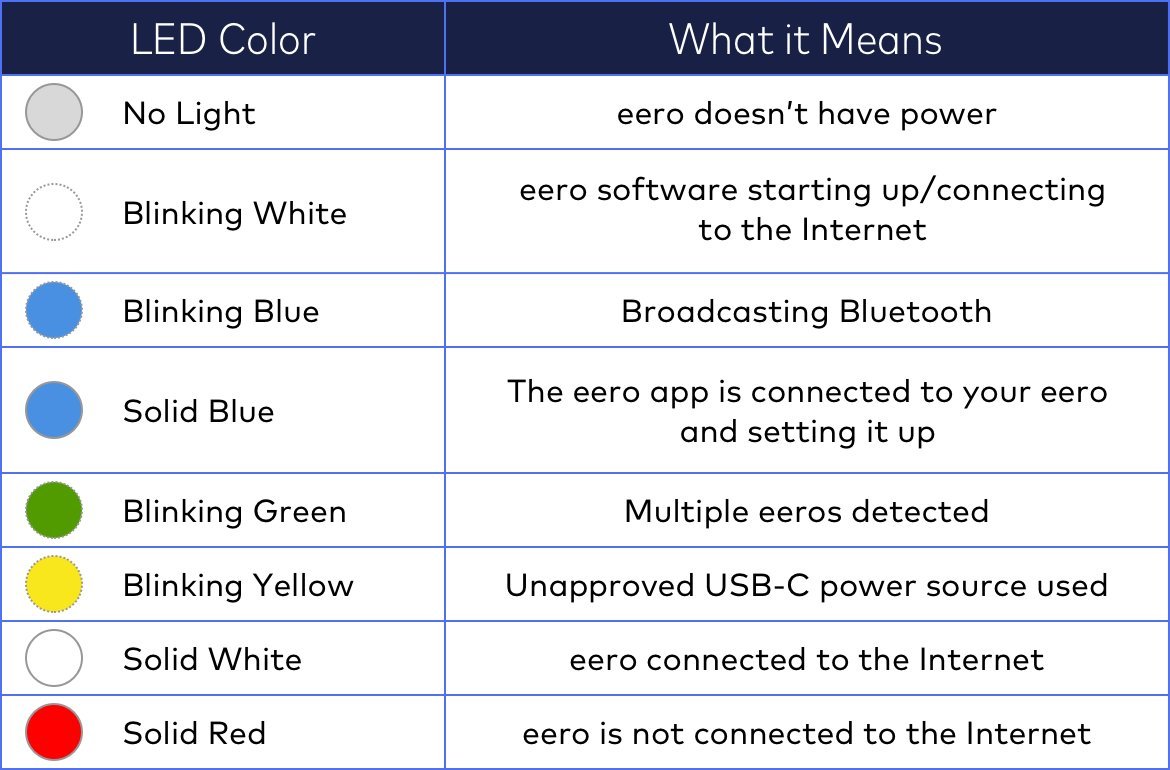
The blinking yellow light is a status indicator that helps you narrow down where the network signal is failing.
| What you notice | What it usually means | What to do first |
|---|---|---|
| Slow yellow pulse | No internet connection | Restart your modem |
| Rapid yellow flash | Firmware update in progress | Wait 10 minutes |
| Solid yellow light | Setup mode is active | Open eero app |
| Blinking yellow node | Node is out of range | Move closer to gateway |
| Yellow light after reboot | Incorrect cable connection | Check Ethernet cables |
| Constant yellow cycling | Hardware sync error | Contact support team |
A common mistake is assuming a slow pulse means the device is broken. In reality, this often points to a service outage from your ISP rather than a hardware failure. If you restart the modem and the light remains slow, check your service provider’s status page before calling support.
The decision rule is simple: if the light pattern changes after a reboot, the issue is likely a loose cable. If the pattern remains identical, the fault lies within the software or the upstream connection.
If you see a rapid flash, don’t unplug the device. Cutting power during a firmware update can corrupt the internal memory, rendering the unit unusable. Wait at least 15 minutes to be safe. If the light doesn’t turn white by then, only then should you perform a hard reset.
Finally, if your node is blinking yellow, it’s struggling to maintain a backhaul connection. Move it closer until you see a solid white light.
Connection failure from the modem
This signal happens when your eero can’t reach the internet because the modem isn’t passing data to it. The most common mistake involves assuming the internet is down when only the local bridge between devices has failed. This costs users time because they wait for an ISP to fix a line that’s working fine. If the cable is loose or damaged, the eero will pulse yellow as it repeatedly tries to handshake with the modem.
You can confirm this by checking the lights on your modem. If the modem shows a “service” or “online” light is solid, but the eero remains yellow, the physical link between them is the likely culprit. If the modem lights are blinking or dark, the issue is with the ISP feed. In that case, call your provider rather than troubleshooting your home network.
To fix this, unplug the power cable from your modem and your eero for 60 seconds. Plug the modem back in first and wait for its status lights to stop blinking, which usually takes two to three minutes. Once the modem is ready, plug your eero back into power. If the light turns white, the handshake was successful.
If it stays yellow, try a different Ethernet cable. Always use a Cat5e or Cat6 cable for the best results. Older or damaged cables often fail to negotiate the speed required for modern connections, leading to intermittent signal drops. A cable with a broken plastic tab might look seated but will fail to maintain a constant electrical contact.
If you have a multi-gigabit modem, ensure you’re using the correct port. Many modems have multiple Ethernet jacks, but only one is configured for the primary data stream. Plugging into a secondary port will cause the eero to fail the handshake. If you see a solid green light on the modem’s Ethernet port but the eero remains yellow, swap the cable to a different port on the modem.
System update or setup mode
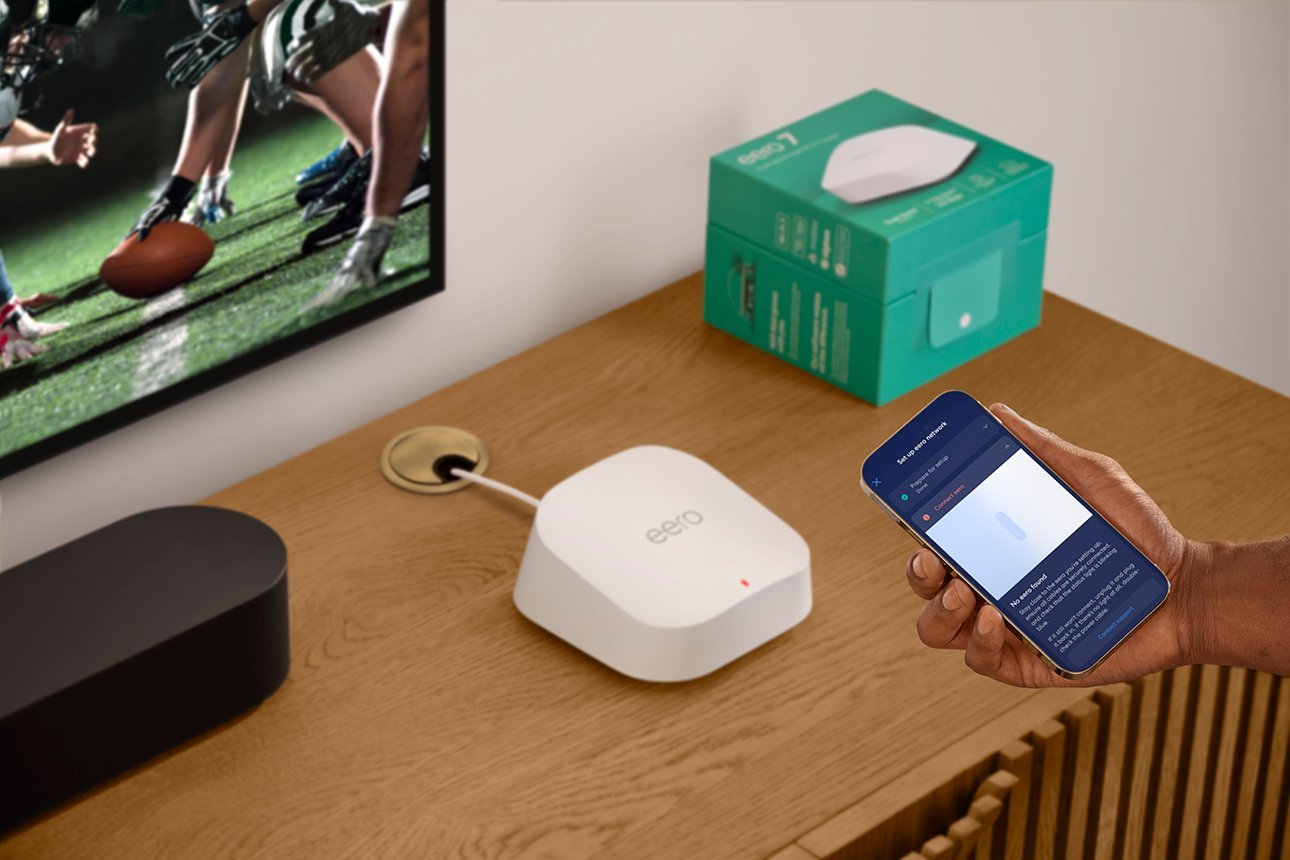
A rapid yellow flash often signals that the device is downloading a new software version or is waiting for you to complete a setup step in the app. This is different from a slow pulse because the device is technically healthy but temporarily busy.
If your eero is in setup mode, the light will be a steady yellow. This happens if the device was recently factory reset or if it lost its configuration due to a power surge. You can tell this apart from an internet outage because the app will explicitly ask you to “Add or Replace” a device when you open it.
If you see a rapid flash, don’t unplug the unit. Removing power during an update can corrupt the internal files, which might force you to perform a hard factory reset. Simply wait for 10 to 15 minutes.
If the light doesn’t turn white after this time, check your phone to see if you have a pending notification from the eero app. If the app shows the device is “Offline,” follow the in-app instructions to re-bind the unit to your account. This isn’t for users who have a solid, stable connection already; it’s only for those whose devices have lost their saved network identity.
A common mistake is trying to “fix” a rapid flash by power-cycling the router immediately. This interruption often triggers a boot loop that requires a manual reset via the physical button on the back. If you see the light, check the app’s dashboard first. If the device appears as “Pending,” the update is simply stuck in a handshake phase.
Use this decision rule: If the light is steady yellow, follow the “Add Device” flow. If the light is flashing rapidly, wait 15 minutes before touching the power cord. If the light remains yellow after 20 minutes, the update has failed; only then should you perform a hard reset.
Hardware placement and range issues
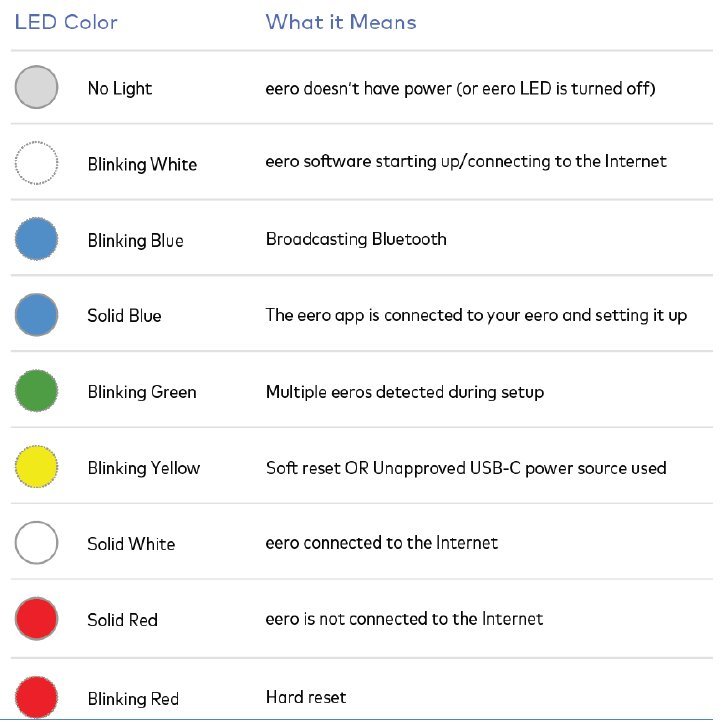
Sometimes the eero is working, but it’s too far from the main gateway to maintain a stable wireless backhaul. You can distinguish this from a modem issue because your other eero units will likely be working fine, and the app will show only this specific node as “Offline.” If the distance is too great or there are too many thick walls, the node will blink yellow as it searches for a signal it can’t reach. This varies by model; some units have stronger antennas than others, so check the label on the bottom of your device to see which version you own.
If you suspect range is the problem, move the blinking unit to the same room as your main gateway eero. If the light turns white within a few minutes, the issue was definitely the distance or interference from large metal objects or appliances. A common mistake is placing the unit inside a media cabinet or behind a television.
This diagnostic step isn’t for users with a wired backhaul, as those units shouldn’t blink yellow due to range. If your unit is wired via Ethernet but still blinks yellow, replace the wall jack or the switch port you’re using. A faulty Cat5e cable is frequently the culprit here; swap it for a known working cable to rule out a simple wiring failure.
If the unit remains yellow even when plugged directly into the main gateway, the internal Wi-Fi radio may have reached its limit. You should contact support for a hardware check in this scenario. Use this decision rule: if the node works in the same room as the gateway but fails in its intended location, you need a mid-point beacon. If it fails even while sitting next to the gateway, the unit requires a factory reset or a formal warranty replacement.
When to stop and get help
If the light stays solid red after you have tried a full power cycle, this indicates a critical hardware fault that you can’t fix.
If you smell burning plastic or hear a high-pitched buzzing from the power adapter, disconnect it immediately to prevent a fire risk. These sounds indicate a failing capacitor, which poses a genuine safety hazard.
If your modem shows no lights at all despite being plugged in, contact your Internet Service Provider to check for a line outage. If they confirm the signal is active at the street level, the issue is likely a failed power supply unit rather than the modem itself.
If the eero app reports a “Critical Hardware Error” or “Internal Error,” don’t attempt to open the casing or perform unauthorized repairs. Opening the device voids the warranty and can lead to electrical shock.
Technical support or professional service is required if the device doesn’t respond to a factory reset. If you aren’t comfortable with networking hardware or if your modem requires specific administrative login details provided by your ISP, ask a professional to assist you.
The decision rule is simple: if you lack the specific ISP credentials or the device remains unresponsive after a thirty-second reset hold, stop immediately. Attempting to force a software flash when the hardware is failing often bricks the device entirely, making it impossible for even a professional to recover your settings.