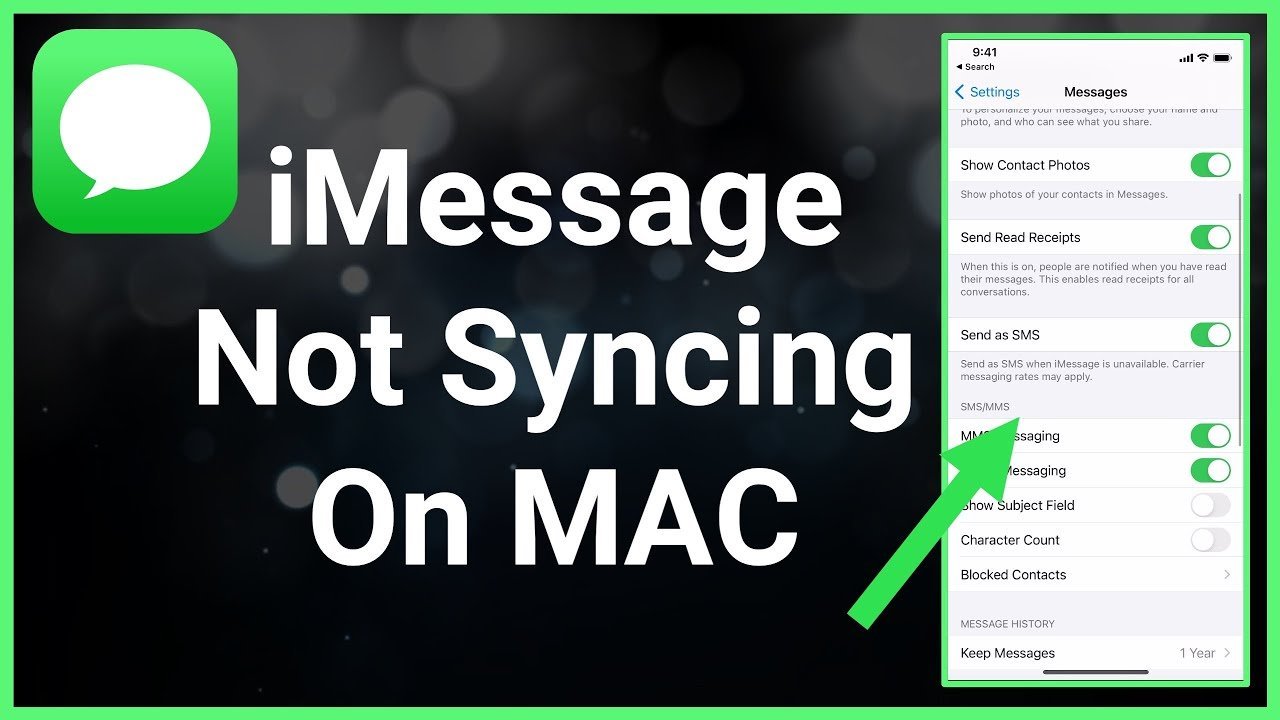
A software glitch or a mismatch in your Apple ID settings is the primary reason imessage not syncing on mac happens most of the time. You can often fix this by simply signing out and back into your account. If that doesn’t work, check your internet connection or restart the Messages app to force a new sync. Because this varies by model and macOS version, you should always check the official Apple Support system status page to see if there’s an active service outage before you start changing your device settings.
Why iMessage not syncing on Mac happens
| Cause | How common | How to confirm it | Fix it yourself? |
|---|---|---|---|
| Apple ID mismatch | Very common | Check Settings match | Yes |
| Internet connection | Common | Test browser loading | Yes |
| Software bug | Common | Restart the application | Yes |
| Outdated macOS | Occasional | Check system updates | Yes |
| iCloud sync delay | Occasional | Wait five minutes | Yes |
| Server-side outage | Rare | View Apple status | No |
Most users assume a server outage when a sync fails, but that’s rarely the case. If you see an error code starting with “500,” check the Apple System Status page immediately. If the status light is green, the issue is almost certainly local.
The most frequent mistake is ignoring a secondary Apple ID signed into iCloud versus the App Store. When these accounts differ, your permissions will clash silently. If you see a “Purchase couldn’t be completed” prompt, verify that both the Media & Purchases and iCloud sections in Settings display the exact same email address.
If you’re stuck, check your system clock. If your device time is off by more than three minutes, security certificates will expire prematurely and block your connection. If the time is set to manual, toggle it to “Set Automatically” to resolve the conflict.
Account settings and identity mismatches
A mismatch between your Apple ID on your phone and your computer is the most common reason your messages fail to appear. Your Mac must be logged into the exact same account as your iPhone. If you use different email addresses or phone numbers for iMessage on each device, the server can’t link the conversation threads.
To confirm this, open the Messages app on your Mac, go to the top menu, and select Settings. Look at the iMessage tab to see which email address is active. Compare this to the Send & Receive settings on your iPhone. If the addresses don’t match, you must uncheck the wrong ones or sign out of the secondary account.
If you choose to sign out, wait at least one minute before you sign back in. This pause allows the server to clear the old session and recognize your device as a fresh entry. If you have multiple devices, this is a common trap; if your phone is set to “Start new conversations from” an email but your Mac is set to a phone number, the sync will often fail to connect the two. Always ensure the phone number is checked under the “You can be reached at” section on both devices. If you’re using a work computer, you might find that your company’s profile prevents you from changing these settings; in that case, contact your IT department to verify your permissions.
Network and system connection errors
When your internet connection is unstable, the Mac can’t reach the Apple servers to pull down new content. You can tell this is the cause if you can’t load a website in Safari while the Messages app remains stuck. Even a short drop in Wi-Fi signal strength can cause the synchronization process to timeout.
To fix this, toggle your Wi-Fi off and back on again. If you’re using a VPN, turn it off completely. Many VPN services route your traffic through a remote server, which Apple’s security protocols often interpret as an unauthorized connection attempt. If you find that your messages sync fine on your phone but not on your Mac, the issue is likely the specific network path your computer is taking.
If you’re at an office or a public coffee shop, the network administrator might have blocked the ports that iMessage uses to communicate. If you suspect this, try connecting your Mac to a mobile hotspot from your phone. If the messages begin to download immediately, the issue is the network, not your computer. This is a trade-off: you gain the ability to sync your messages, but you’ll use your mobile data allowance. If you’re on a limited plan, be careful with the amount of data you consume, as downloading a large history of photos and videos can quickly exhaust your monthly budget.
Software versioning and application state
An outdated operating system often lacks the security keys required to maintain an active sync with modern Apple services. You can confirm if this is your problem by checking the About This Mac menu to see your current version. If you’re several major updates behind, the app will struggle to communicate with the newer versions of iMessage running on your iPhone.
To fix this, go to System Settings and run any available software updates. After the update finishes, restart your Mac. If the app still doesn’t show your recent messages, force the application to quit by pressing Command, Option, and Escape simultaneously. Select Messages and click Force Quit. Reopen the app and wait.
This process isn’t for someone who needs an immediate, zero-latency update, as the initial sync of a large history can take ten to twenty minutes depending on the volume of media files. A common mistake is to keep opening and closing the app repeatedly during this initial sync; this actually slows down the process because it interrupts the indexing of your database. If you have thousands of messages, the system requires time to re-index the local files. Simply leave the app open in the background and don’t touch it for at least fifteen minutes. This allows the background processes to complete their work without being interrupted by your manual clicks.
The less likely causes
- Corrupt local database: The local file holding your message history might be damaged, requiring you to sign out of iCloud and restart the Mac to rebuild the library.
- Disabled iCloud sync: You might have unchecked Messages in your iCloud settings, which stops the Mac from pulling data from the cloud entirely.
- Date and time mismatch: If your Mac clock isn’t set to “Set date and time automatically,” the security certificates will fail and block the connection.
- Storage space limits: If your startup disk is completely full, the app can’t create the temporary files needed to download new chat data.
What a fix usually involves
Fixing iMessage sync issues typically requires only your time and a basic understanding of your system settings. Most solutions involve toggling a setting or restarting an application, which costs nothing in money but requires a small investment of time. If you need to perform a full macOS update, expect the process to take an hour or more, depending on your internet speed and the age of your hardware.
If you find that a setting is grayed out or you can’t sign out of your Apple ID, you may have a deeper system issue. In these cases, you might need to consult the official support documentation for your specific model of Mac. If you aren’t comfortable navigating these system-level menus, you can schedule a session with a technician at an authorized service provider. They will provide a quote for their labor before they start any work. Always ask for an estimate first, as the cost for professional help can sometimes approach a significant portion of the value of an older computer.
Frequently asked questions
Can I fix this without signing out?
No, signing out and back in is the most effective way to refresh the connection. It forces the Mac to re-authenticate with the Apple servers and verify your account credentials. While you might try restarting the app first, the sign-out process is the standard step to resolve persistent syncing errors. Always ensure you have a backup of your important files before you sign out of your primary iCloud account.
Why are my messages appearing out of order?
The messages are likely still indexing on your Mac. When you first sign into a new device or fix a sync issue, the system downloads and sorts your history in the background. This can take anywhere from a few minutes to an hour depending on the size of your database. Don’t force-quit the app during this process, as it will only delay the completion.
Is it safe to sign out of iCloud on my Mac?
Yes, it’s perfectly safe to sign out of your Apple ID on your computer. Your data remains stored in the cloud, and it will automatically reappear once you sign back in. The only thing you lose is the local copy of the data on your hard drive, which is immediately rebuilt as soon as the Mac reconnects to the service.
How long should the sync take?
About ten to twenty minutes is typical for a standard history. If you have several years of messages with many photos and videos, it may take longer. You can monitor the progress by looking at the status bar at the bottom of the Messages window. If the bar isn’t moving for a long time, check your internet connection and ensure your Mac isn’t in sleep mode.
Does it matter if my phone is off?
Yes, your phone should be powered on and connected to the internet for the best results. While iCloud sync allows for independent messaging, keeping both devices active ensures that the handshake between them remains consistent. If your phone is off for an extended period, the Mac may lose the ability to verify your phone number as a valid source for new iMessage threads.
What happens if I update my macOS?
The update will refresh your system libraries and often resolve underlying communication bugs. You should always ensure you have a recent backup of your computer before starting an update. Once the installation is complete, the Messages app will typically perform a one-time optimization of your message database to ensure compatibility with the new software version.
Final Thoughts
If these quick fixes don’t get your messages flowing again, don’t worry. It’s a good idea to reach out to Apple Support directly for further help. They’ll be able to look at your specific account settings to see if there’s a deeper issue that’s preventing your devices from talking to each other.