You can resolve a fitbit luxe screen not working by forcing a hardware restart to clear temporary software errors. This problem usually happens because the device’s operating system has frozen or the battery has reached a critically low level that prevents the screen from waking. If the screen remains dark after a forced restart, the issue likely involves a depleted battery that can’t hold a charge or a hardware failure in the display assembly.
Why your Fitbit Luxe screen not working
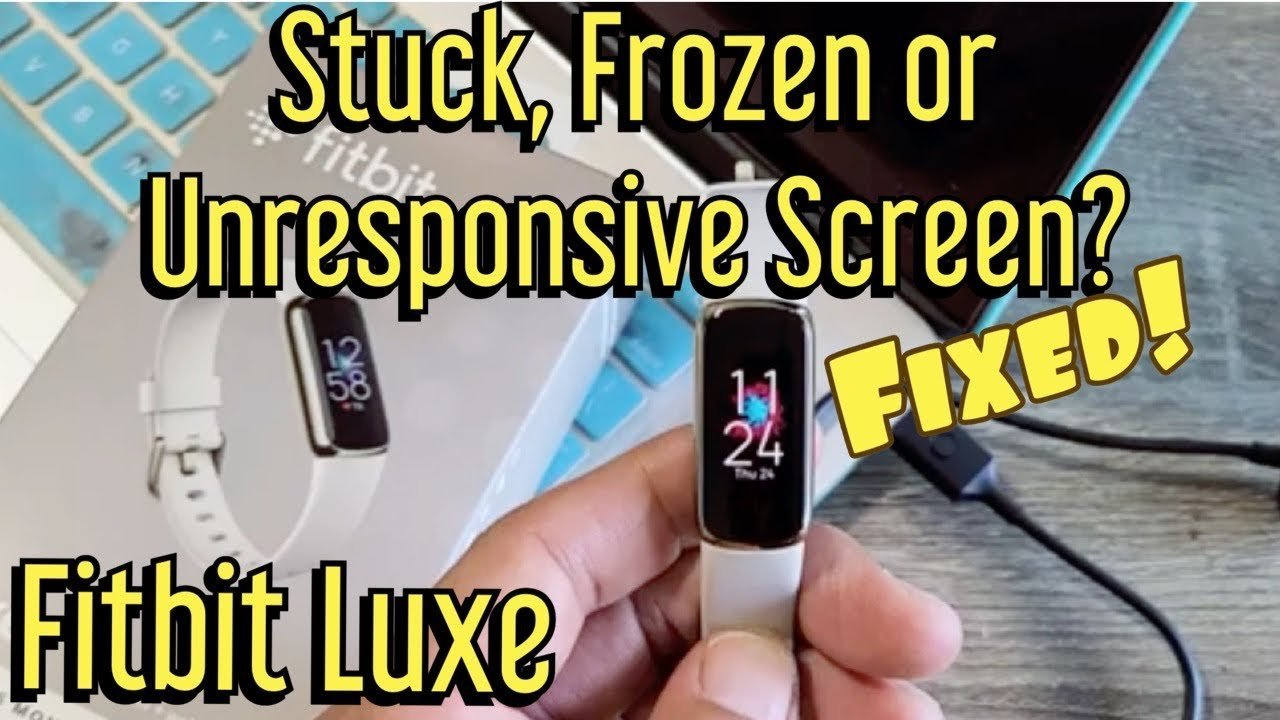
The most common reason for a blank screen is a complete battery drain. When a tracker stays at zero percent for an extended period, it enters a deep discharge state. If it fails to charge, contact a technician to test the power supply.
Another cause is a software glitch. Like any computer, the tracker runs a background operating system. If a process hangs, the screen may go black even if the device is technically powered on. A forced restart clears the temporary memory and reloads the firmware. This is different from a factory reset, which deletes your personal data.
Finally, physical damage can stop the display from functioning. If you have recently dropped the device or exposed it to high-pressure water, the internal ribbon cable connecting the screen to the motherboard may have loosened or broken. If this is the case, the tracker will vibrate or sync with the app but the screen itself will remain completely dark.
Force a system restart
This fix is for users who have a device that vibrates or shows a green light on the back but has no display. To start, plug your tracker into the official charging cable provided in the box. Ensure the pins are clean and making solid contact with the charging points on the back of the device. If the pins are dirty, wipe them gently with a dry, soft cloth.
Once connected to power, the device should begin charging automatically. Press the button on the side of the tracker three times in quick succession, pausing for one second between each press. You should see the Fitbit logo appear on the screen within 10 seconds. If the logo doesn’t appear, leave it plugged in for a full hour. If the tracker vibrates but the screen stays black, you have likely confirmed a hardware failure.
This fix isn’t for devices that have been submerged in saltwater or pool chemicals, as these liquids can corrode the internal connectors rapidly. If you notice a burning smell or the device feels hot to the touch while charging, stop immediately. This indicates a failing battery, which is a fire hazard. In this situation, don’t attempt further charging. You’ll need to contact a professional service center or the manufacturer’s support team for a replacement, as lithium-ion batteries aren’t user-serviceable parts.
Clear the charging contact points
Sometimes the screen is working, but the tracker isn’t receiving enough power to turn it on. This happens when the gold contact points on the back of the tracker become covered in sweat, lotion, or skin oils. If the charger can’t make a clean connection, the device will never reach the power threshold required to boot the display.
To clean the contacts, use a soft-bristled toothbrush or a cotton swab lightly dampened with rubbing alcohol. Gently scrub the four metal dots on the back of the tracker and the corresponding pins on the charger. Dry them thoroughly with a clean cloth before attempting to charge again. If the pins on your charger look pushed in or stuck, they won’t make a proper connection regardless of how clean the tracker is.
This fix is for those who suspect a poor physical connection. If you see the screen flash briefly when you move the cable but then go dark again, the cable itself is likely damaged. A trade-off exists here: using a cheap third-party charging cable can save money, but these cables often have loose tolerances that fail to trigger the screen’s wake cycle. If you use a third-party charger, try the original cable that came with the device before assuming the tracker is broken.
Inspect for physical damage
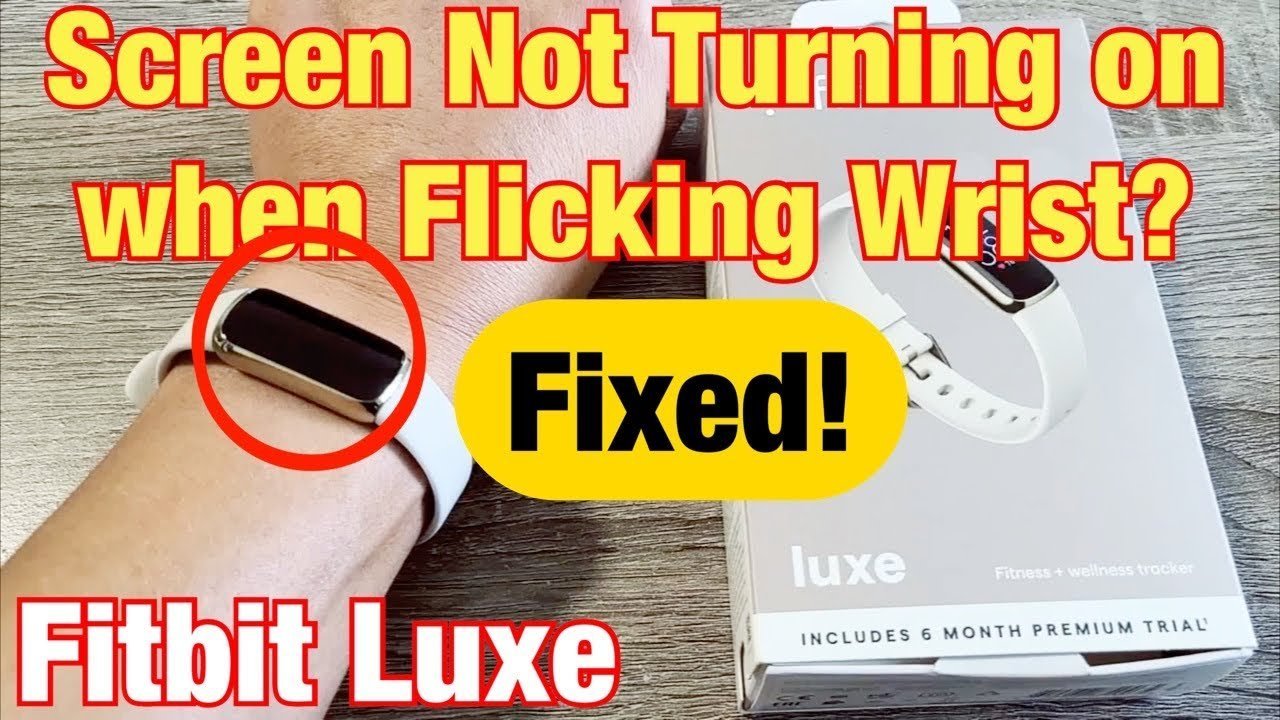
If you have tried the restart and the cleaning but the screen remains blank, you must look for signs of physical impact. Check the glass for hairline cracks or a “bleeding” effect underneath the surface, which indicates a broken OLED panel. If you see deep scratches or water condensation inside the screen, the seal has been compromised.
This is the point where this becomes a non-DIY job. If the screen is physically cracked or water-damaged, no amount of software restarting will fix it. Opening the casing of a fitness tracker is dangerous because the battery is glued to the chassis. If you puncture the battery while trying to access the screen, it can catch fire.
If you’re within the warranty period, don’t attempt to open the device. Doing so will void your warranty immediately. Instead, contact the manufacturer or the retailer where you bought the device. If you’re outside the warranty period, compare the cost of a professional screen repair against the cost of a new device. In most cases, the price of the parts and the specialized labor required to seal a waterproof device make a full replacement more cost-effective than a repair.
What not to do
- Don’t put the device in a freezer to “reset” the electronics, as this causes condensation to form inside the casing and permanently destroys the internal circuitry.
- Don’t use a hairdryer or heat gun to dry the device if you suspect water damage, as the high heat will melt the screen adhesive and damage the battery.
- Don’t leave the tracker in a bowl of dry rice, as the dust and small particles can enter the charging port or sensor openings and cause further hardware issues.
- Don’t attempt to open the casing with a knife or screwdriver, as the battery is located directly behind the screen and is easily punctured, which creates a significant fire risk.
How to stop it happening again
Consistency is the best way to keep your screen functioning for the long term.
| If you’re doing this | Do this instead | Why |
|---|---|---|
| Charging only when dead | Charge to 80% daily | Deep discharge cycles kill battery life |
| Wearing in the shower | Remove before showering | Steam pressure bypasses water seals |
| Wiping with soap | Use water and dry cloth | Soap residue blocks charging pins |
| Storing in a drawer | Keep at 50% charge | Prevents battery degradation during long-term storage |
The most common mistake is waiting for the battery to hit zero before plugging it in. This habit forces the chemical cells into a state of instability that permanent capacity loss follows. If your device dies, charge it immediately. Leaving a dead battery for more than 48 hours risks a “deep discharge” state, where the internal controller may refuse to accept a charge again.
Use this simple decision rule: if you plan to store the device for over a week, check the battery level. If it’s above 70% or below 30%, drain or charge it to the halfway mark. This prevents the voltage from drifting too high or low while idle. Neglecting this step often results in a device that simply won’t wake up after a long vacation.
Frequently asked questions
Can a factory reset fix the screen?
No, a factory reset won’t fix an unresponsive screen. A factory reset is a software command that requires you to navigate the settings menu. If your screen is black, you can’t initiate this process and likely have a permanent hardware fault.
Why is my Fitbit screen black but still vibrating?
Your device is likely receiving notifications, but the display assembly has failed. Vibrations confirm that the motherboard and Bluetooth radio are active. If the screen remains black, the internal ribbon cable is likely disconnected or broken, requiring a warranty claim or replacement.
How long should I charge it before giving up?
You should charge the device for at least 60 minutes before determining it won’t turn on. Many lithium-ion batteries may drop below the minimum voltage threshold required for the protection circuit to allow charging if left uncharged for weeks. If there’s no change after one hour, the battery has likely reached the end of its lifespan.
Is it safe to wear if the screen is flickering?
No, you should stop wearing the device if the screen flickers or displays distorted colors. Flickering is often a symptom of an unstable power supply or a short circuit. If the device gets warm on your wrist, remove it immediately to prevent potential overheating.
What happens if I ignore a blank screen?
If you ignore a blank screen, you’ll lose all data that hasn’t yet synced to your phone. Fitness trackers have limited storage and will overwrite old data. Additionally, leaving a dead battery in a device for months can cause it to swell and damage the casing.
Final Thoughts
If these simple fixes don’t bring your display back to life, it’s time to contact Fitbit support. They’ll help you determine if your device is still under warranty or if you’re eligible for a replacement. Don’t worry, as their team is usually quick to help you get back on track.