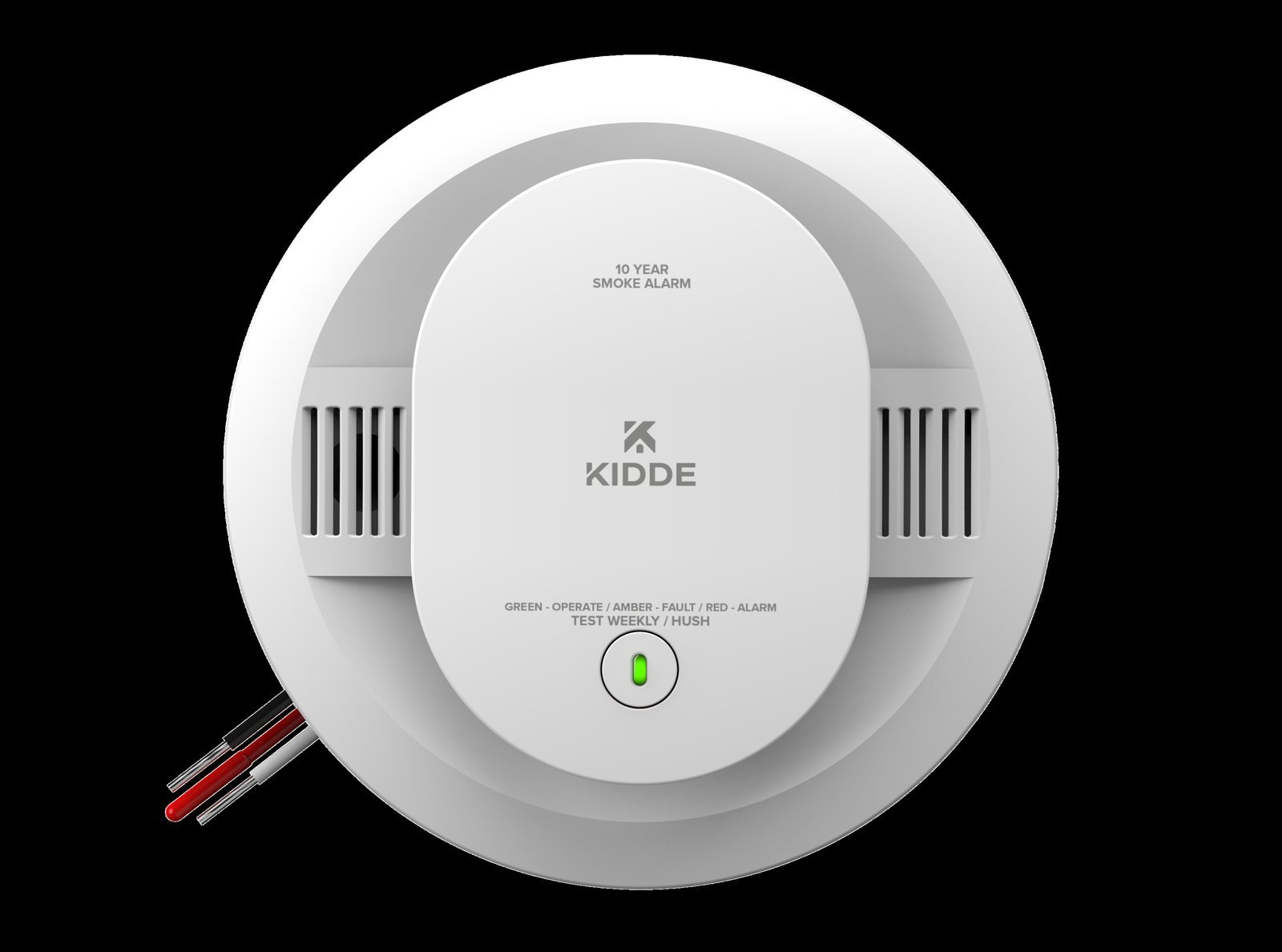
A kidde smoke alarm red light blinking typically signals that the unit is operating in its normal standby mode or, if it pulses at specific intervals, indicates that a fault or low battery condition exists. This flashing light confirms that the device is receiving power and actively monitoring the air for smoke particles. If the light flashes once every 40 seconds, it’s usually a sign of normal operation. However, if the pattern changes to rapid blinking or follows a chirp, you must investigate the unit’s status immediately to ensure your home remains protected.
Why your Kidde smoke alarm light blinks
Press the test button: Hold the test button for 5 seconds to see if the alarm sounds and the light pattern changes; this confirms the unit’s internal circuitry is responsive. If the alarm remains silent, replace the unit immediately, as the internal horn has likely failed.
Check for chirping: Listen for a single chirp every 30 to 60 seconds, which often accompanies a blinking light when the battery is low or the unit is nearing its end of life. If the chirping continues after a fresh battery install, the device is signaling a sensor failure and must be replaced.
Verify the power source: If your model is hardwired, ensure the wall switch controlling the outlet is turned on and the wire harness is fully seated. Ensure the alarm is connected to a dedicated, unswitched circuit in the junction box.
Clean the sensor: Use a vacuum with a soft brush attachment to remove dust from the vents. Debris often triggers false alarms, costing you unnecessary emergency calls.
What is actually happening
The red light on your device serves as a visual heartbeat for the smoke detector’s internal systems. When it flashes once every 40 to 60 seconds, the unit is verifying that it has power and that the sensing chamber is clear of obstructions. This is a standard feature designed to confirm the device is operational without requiring you to climb a ladder to check the unit manually.
However, if the light blinks in a different rhythm, the detector is attempting to communicate a specific status. A common cause for a persistent or irregular blink is a low battery, which prevents the unit from maintaining a full voltage charge.
If the red light blinks along with a chirp, the unit may be signaling a “trouble” condition. This often happens when the sensor has become contaminated by dust, spider webs, or high humidity, which confuses the infrared beam used to detect smoke.
To determine if the issue is environmental or mechanical, vacuum the sensor vents using a soft brush attachment. If the chirping stops after cleaning, the unit was simply obstructed. If the chirping persists, the internal processor has likely failed.
If the unit is more than 10 years old, the blinking light might also indicate that the sensor has reached the end of its operational lifespan. In these cases, the internal chemistry of the alarm can no longer reliably distinguish between smoke and ambient particles. You should always check the date of manufacture printed on the back of the alarm to see if it’s time for a full replacement. Neglecting this expiration date is a common mistake that leaves your home vulnerable to undetected fires.
Check these, cheapest first
Check the battery
A fresh battery is the first thing to test. If you’re using a 9-volt or AA battery, replace it with a brand-new alkaline cell. If the blinking stops after the change, the old battery simply lacked the voltage to keep the circuit stable.
Inspect the power harness
For hardwired units, look at the plug on the back. Ensure the plastic connector is pushed all the way into the socket. If the connector is loose, the unit may flicker between AC power and the backup battery, causing the light to blink irregularly.
Clean the sensor vents
Use a vacuum hose to clear the slots around the alarm. Dust buildup inside the chamber causes the infrared light to scatter, which the alarm interprets as a fault. If you see visible debris, this is likely the cause of your blinking light.
Review the manufacture date
Flip the device over to find the date stamp. If the unit is over 10 years old, the blinking is a permanent error code signaling that the sensor is expired. These units can’t be repaired and must be replaced immediately for your safety.
Test the interconnected status
If you have multiple alarms, check if one unit is triggering the others. A single faulty unit can send a signal to the entire system. If only one unit blinks while the others are quiet, that specific device is the one failing.
The fix
The most effective fix for a blinking light is a complete power reset. First, remove the alarm from its mounting bracket and disconnect the wire harness. If the unit uses a replaceable battery, take it out. Once the power is disconnected, press and hold the test/hush button for 15 seconds to drain any residual electricity from the capacitors. After this, install a brand-new battery and reconnect the power harness to the unit. Slide the alarm back onto the bracket and wait for one full minute.
If the unit was experiencing a software glitch or a temporary sensor error, this reset clears the memory and restores the normal 40-second flash cycle. A successful fix is confirmed when the red light returns to a steady, rhythmic pulse without any accompanying chirps or rapid flashing.
Distinguishing between a system error and an end-of-life warning is critical. If the light blinks rapidly but the device emits a chirp every 60 seconds, the battery is the culprit, not the sensor. Replace the battery immediately. If the light blinks rapidly and the alarm chirps every 30 seconds, the device has reached its expiration date and must be replaced.
If the red light returns to a rapid blink or starts chirping again within one week, the internal sensor is likely damaged or permanently degraded. Don’t attempt to open the casing or repair the internal circuit board. This compromises the fire-sensing capabilities of the device and voids any remaining warranty. When in doubt, prioritize safety and install a new unit.
Where this stops being a DIY job
You should stop your repair efforts if the alarm continues to show a fault light after you have performed a full power reset and replaced the battery. At this point, the issue is likely a failure of the internal photoelectric or ionization sensor, which can’t be serviced by the user.
Continuing to use a faulty alarm is dangerous, as it may fail to sound during an actual emergency or trigger constant false alarms. If you notice the unit chirping at irregular intervals despite fresh batteries, the internal capacitor has likely reached the end of its ten-year lifespan.
If the fault light persists, you must replace the entire unit immediately.
If you’re unable to resolve the blinking, contact a licensed electrician or your local fire department’s non-emergency line for guidance. They can confirm if your system requires specific, compatible models to maintain the interconnection between alarms. Always have the model number ready, found on the back of the device, to ensure you purchase the correct replacement.
Frequently asked questions
Can I stop the blinking by covering the light?
No, covering the light doesn’t fix the underlying issue. The blinking is an indicator of the device’s status, not a nuisance light. If you cover it, you’ll lose the ability to see if the unit is failing or if it has lost power. Always address the reason for the light rather than hiding it, as the device is your primary warning system for home fires.
Why is my Kidde smoke alarm red light blinking?
A red blink every 40 to 60 seconds is the normal standby mode for most models. It confirms that the unit is receiving power and the battery is healthy. You don’t need to take any action if the blinking is slow and steady. This pattern simply shows that your home is currently being monitored by the device as intended.
Is it safe to leave a blinking alarm installed?
It’s only safe if the blinking follows the standard, slow interval for your specific model. If the alarm is blinking rapidly, chirping, or flashing in an irregular pattern, it isn’t safe. An irregular pattern suggests the unit isn’t functioning correctly and may not detect smoke. You must troubleshoot or replace the unit immediately if the pattern isn’t standard.
How long do these alarms usually last?
Most smoke alarms have a lifespan of 10 years from the date of manufacture. You should check the back of your unit for the expiration date. Even if the alarm seems to be working, the internal sensors lose sensitivity over time. If your unit is older than 10 years, replace it regardless of whether the light is blinking or not.
Does it matter if the alarm is hardwired?
Yes, the power source changes how you troubleshoot the device. Hardwired units rely on your home’s electricity, but they also have a battery backup. If the light blinks, it could be a power surge, a loose wire, or a dead backup battery. Always check the power connection first, as a loose harness is a common cause for light-based errors in hardwired systems.
What happens if I ignore the blinking?
Ignoring a non-standard blinking pattern puts your home at risk. If the blinking indicates a fault, the alarm may not sound during a fire. If it indicates a low battery, the alarm may stop working entirely within a few days. Never ignore a light pattern that differs from the manual’s description of normal operation, as it’s a critical warning sign.
Final Thoughts
Keeping your home safe doesn’t have to be stressful. If you’re ever unsure about your detector’s status, it’s best to press the test button to confirm everything is working correctly. You shouldn’t ignore these signals, so keep a few fresh batteries handy to ensure your family stays protected all year long.
Related guides