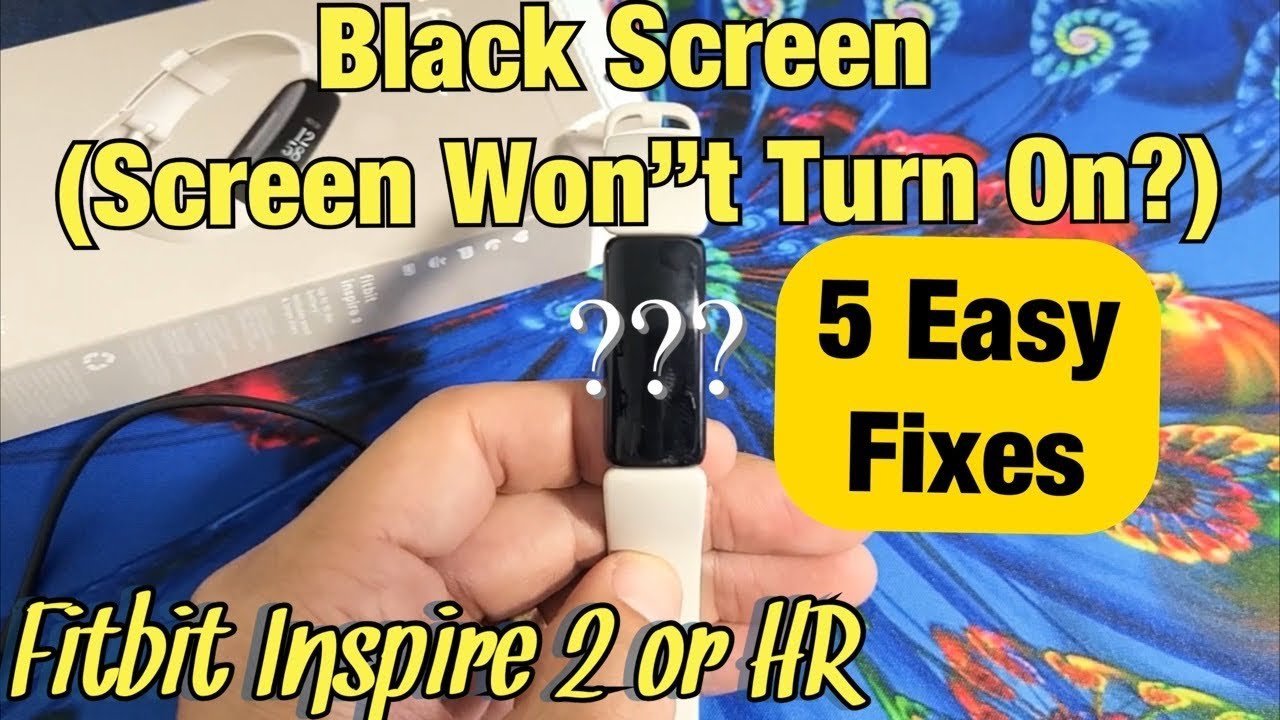
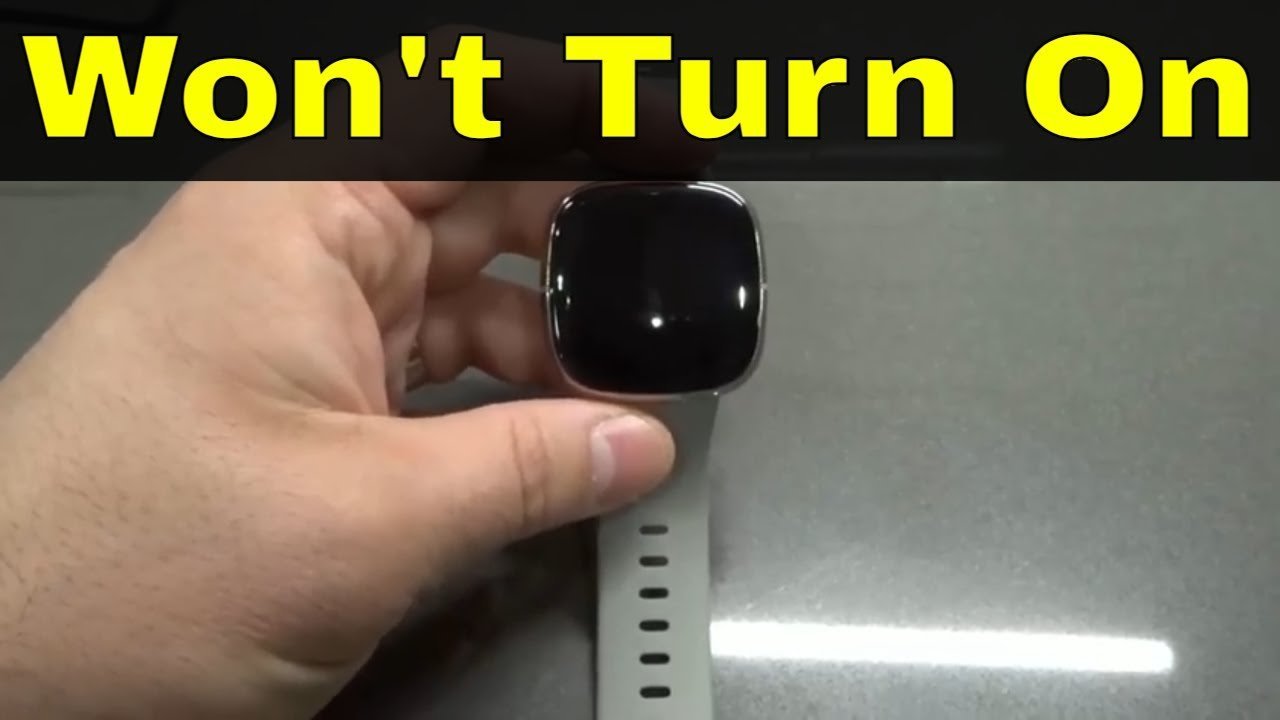
A drained battery or a dirty charging connection is the most common reason for a fitbit not turning on. Most of the time, the device is simply out of power because the charging pins are blocked by skin oils or debris. You can confirm this quickly by checking if the screen shows a battery icon when you plug it into a power source, or by trying a different USB wall adapter to rule out a faulty power supply.
Why your fitbit isn’t turning on
| Cause | How common | How to confirm it | Fix it yourself? |
|---|---|---|---|
| Dead battery | Very common | Use known working charger | Yes |
| Dirty charging pins | Common | Inspect for dark buildup | Yes |
| Faulty charging cable | Common | Try a different cable | Yes |
| Software freeze | Occasional | Attempt a forced restart | Yes |
| Damaged screen | Rare | Look for physical cracks | No |
| Water damage | Rare | Shake for internal liquid | No |
If the screen remains black while the device vibrates or makes sounds, the display is likely the culprit, not the power. If it rings but the screen stays dark, the internal hardware is functional, but the screen needs a professional replacement.
Many users mistakenly assume a tracker is dead when it’s actually in a “boot loop.” If the logo appears and disappears repeatedly, the issue is software corruption rather than a hardware failure. In this case, a forced restart is usually ineffective. You must instead connect the device to a computer to trigger a recovery mode restore.
Never use a toothpick or metal needle to clear charging ports. You risk snapping the tip or shorting the delicate pins. Use a soft, dry toothbrush or a blast of compressed air to safely dislodge debris.
Power depletion and charging issues
A completely drained battery often requires more time to show signs of life than a device that still has a small charge remaining. If your tracker has been sitting unused for weeks, it may take longer for the battery to reach a sufficient charge level to power the display. To test this, connect the device to a wall charger rather than a computer port, as wall adapters typically provide a more consistent flow of electricity. Leave it connected for at least two hours without interruption. If you see no icon after this time, inspect the charging pins on the back of the device. These gold-colored contacts must be perfectly clean. If you see dark spots or a film, clean them gently with a soft, dry toothbrush or a cotton swab dipped in a tiny amount of rubbing alcohol. This Fitbit cleaning guide explains how to maintain these sensitive contacts safely. If the pins look pristine but the device remains cold, the issue is likely the cable itself. Since these cables are fragile, internal wires often break without showing external damage. If you have access to a second cable from a friend or family member, swap it to see if the device begins to charge. If it does not, the battery inside the tracker may have reached the end of its functional life.
Unresponsive software states
Sometimes the hardware is perfectly fine, but the internal software has stopped responding to inputs. This state is common if the device was performing an update or if it experienced a minor glitch during a sync. You can tell if this is a software issue rather than a hardware failure if the device was working fine just moments before it went dark. To fix this, you must perform a restart. The exact method varies by model—check the label on the back of your tracker to find the specific name. For most models, you’ll hold the side button or the touch-sensitive indentation for ten to fifteen seconds while the device is plugged into power. You’re looking for a vibration or a logo to appear on the display. If the device vibrates but the screen stays black, you might have a display failure, which is a hardware fault that can’t be fixed at home. If the device doesn’t respond to the button combination, try the sequence again, but ensure you’re pressing the button firmly and holding it for the full duration. This process clears the temporary memory and forces the system to reboot, which resolves most frozen screens. If the device stays unresponsive after three attempts, it’s time to stop troubleshooting.
Physical hardware limits
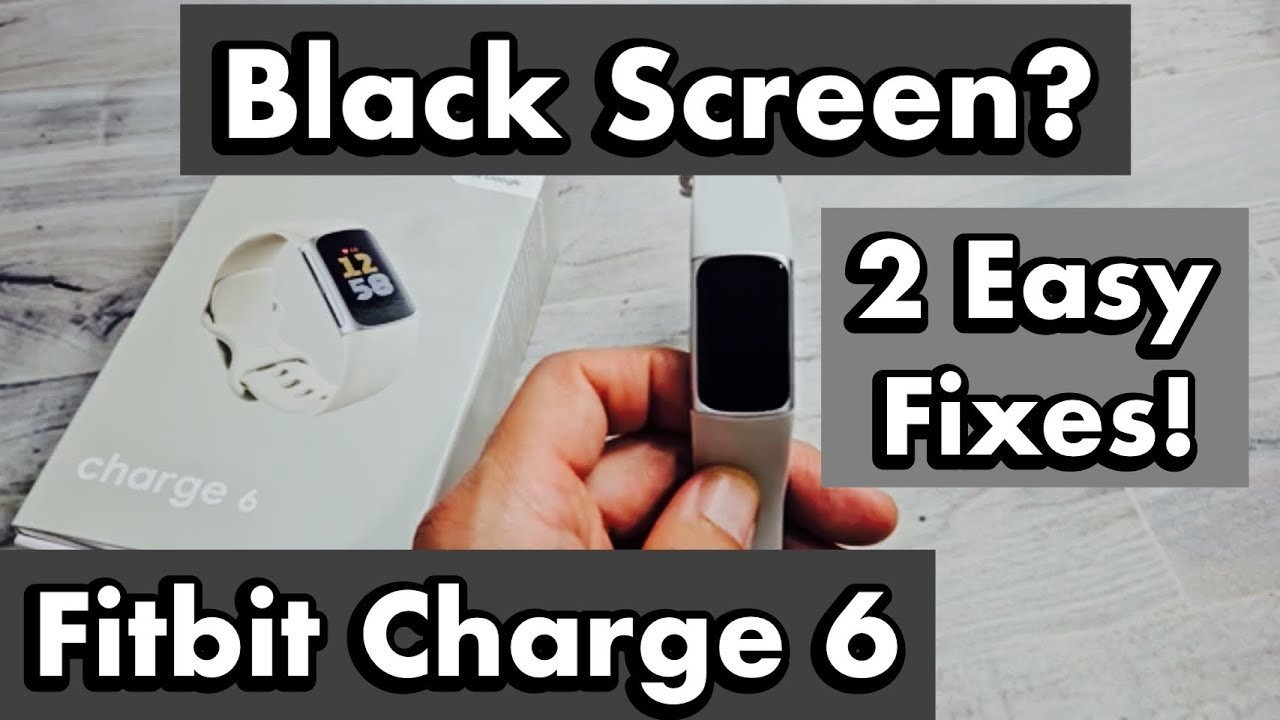
Damage to the screen or internal components usually happens after a drop or exposure to excessive moisture. You can identify this cause if you notice cracks in the glass or if the screen looks “foggy” from behind the glass, which often suggests water ingress. If you suspect water damage, don’t attempt to charge the device, as this can cause a short circuit. If the device was submerged in salt water or a swimming pool, the minerals inside can corrode the internal board very quickly. This is a limit of the device’s design; while many trackers are water-resistant, they aren’t waterproof forever, and the seals degrade over time. If you see physical damage, your best move is to contact the manufacturer’s support team. They can determine if your specific model is eligible for a replacement. If you have no warranty, professional repair services are often more expensive than buying a new, current-generation tracker. This is a harsh trade-off, but it’s the reality of modern wearable electronics. If you have tried a new cable, cleaned the pins, and attempted a hard restart, you have done everything possible as a user.
The less likely causes
Corroded charging port: If the pins appear green, crusty, or pitted, the device can’t conduct electricity. You must seek professional repair, as scraping the pins often causes permanent short-circuit damage.
Defective wall adapter: If your device remains unresponsive, switch to a standard five-volt USB port for thirty minutes.
Extreme temperature: If left in a hot car or freezing cold, the battery protection circuit disables the device. Don’t attempt to force a charge. Wait at least two hours for the internal chemistry to normalize at room temperature.
Internal component failure: If the device vibrates or makes sounds but the screen remains black, the display panel has failed. This is a hardware death sentence. You must perform a complete unit replacement, as the cost of individual component repair exceeds the device’s current market value.
What a fix usually involves
Fixing a power issue usually involves simple maintenance or replacing inexpensive accessories. If the problem is just a dirty contact, the fix costs nothing but a few minutes of your time and a household item like a cotton swab. If the issue is a broken charging cable, you’ll need to purchase a replacement, which is a small part of the total cost of the device. You should always check the official documentation or the manufacturer’s product page to ensure you buy a cable that’s compatible with your specific model, as many trackers use proprietary connectors. If you need a new battery or screen, the cost often approaches the price of a new unit, making repair impractical for most users. When you aren’t sure if a repair is worth the cost, contact the customer support team for your brand. They can provide a quote for an out-of-warranty replacement or tell you if your device is still covered under its original limited warranty.
Frequently asked questions
Can I use a phone charger for my device?
Yes, you can use most standard wall adapters as long as the output is five volts. Check the fine print on your charging brick to ensure it matches the power requirements listed in your device’s manual or on the manufacturer’s website.
How long should I charge it before giving up?
About two hours is the standard time to determine if a battery will take a charge. If you have cleaned the pins and used a known working cable, and the screen remains dark after two hours of continuous connection, the battery or the internal charging board is likely faulty. Don’t leave the device charging for days on end if it shows no life.
Is it safe to use rubbing alcohol on the pins?
Yes, it’s safe to use a small amount of isopropyl alcohol on a cotton swab to clean the charging contacts. Ensure the device is unplugged before you start, and make sure the pins are completely dry before you connect the charger again. Never use water or household cleaners, as these can leave residue or cause corrosion on the sensitive gold-plated surfaces.
What happens if I drop it in water?
If your device stops working after exposure to water, it may have suffered a seal failure. You should dry the exterior immediately with a soft cloth and place it in a dry area for twenty-four hours. Never use a hair dryer or heat source to speed up this process, as heat can damage the plastic housing and the internal battery.
Does it matter if I use a computer USB port?
Yes, it matters because many computer USB ports provide less power than a dedicated wall adapter. If you’re struggling to get your device to turn on, always switch to a wall-mounted USB power adapter. Some older computer ports may not provide enough current to wake a deeply discharged battery, which can make a healthy device appear broken.
Why did my device stop working suddenly?
Most sudden failures are caused by a software crash or a depleted battery that can no longer hold a charge. If the device was working fine yesterday and is dead today, try the forced restart procedure first. If that doesn’t work, the issue is almost certainly a hardware component that has reached the end of its expected life.
Final Thoughts
If your screen still stays dark after these checks, don’t worry just yet. It’s possible your device has a deeper hardware issue that requires professional help. Reach out to the manufacturer’s support team online; they’ll let you know if your tracker is still covered under warranty so you can get back to moving.