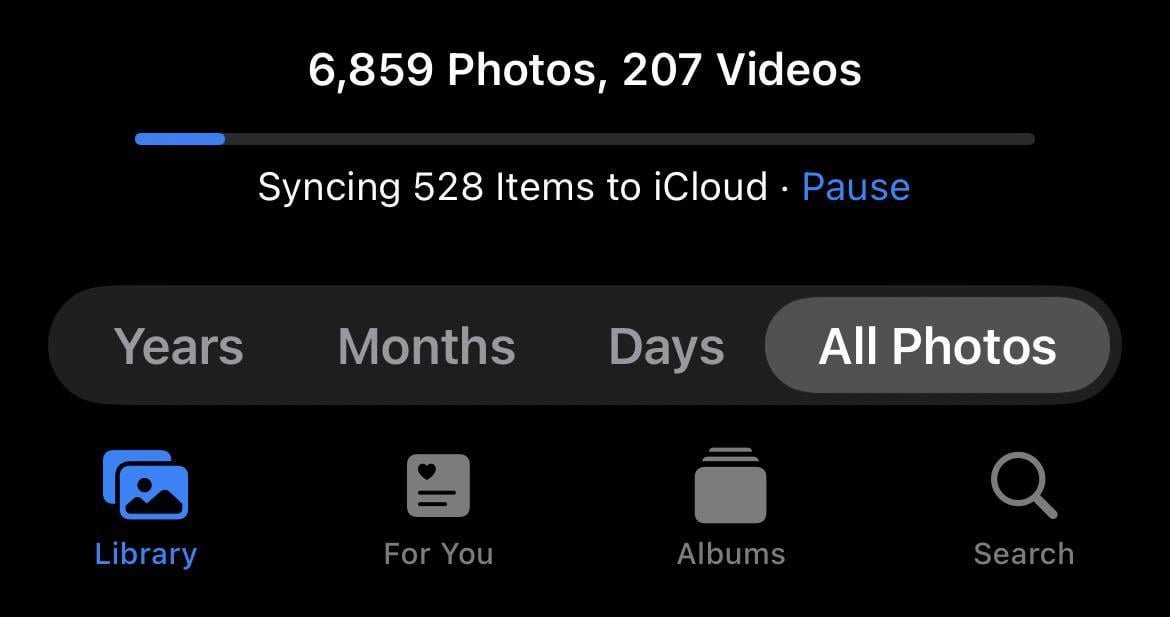
A lack of available storage space or an unstable internet connection is the primary reason iphone photos not syncing to icloud in most cases. You can confirm this quickly by checking your storage settings in the main menu of your device. If your account is full, the system stops uploading new files until you clear space or upgrade your plan. This varies by model and region — check the label on your Apple iCloud storage plans page to see your current usage and limits.
Fixing iPhone photos not syncing to iCloud
| Cause | How common | How to confirm it | Fix it yourself? |
|---|---|---|---|
| Full storage | Very common | Check iCloud settings | Yes |
| Poor Wi-Fi | Common | Test browser speed | Yes |
| Disabled sync | Common | View Photos settings | Yes |
| Battery mode | Occasional | Check battery icon | Yes |
| Account error | Occasional | Sign out and in | Yes |
| System bug | Rare | Check for update | Yes |
| Hardware fault | Rare | Visit service center | No |
Full cloud storage limits
Your account stops syncing when the total size of your stored data exceeds your current plan limit. Every user starts with a free tier, but high-resolution photos and videos fill this capacity rapidly. You can check your exact remaining space by going to Settings, tapping your name, and selecting iCloud. If the bar shows that your storage is full, the device will pause all uploads until you remove old files or purchase more room.
To fix this, delete unnecessary videos or large files that take up the most space. If you choose to upgrade, the change happens instantly once your payment processes. If you have multiple devices using one ID, remember that your limit is shared across all of them. This means a backup from an iPad or another phone counts toward the same total.
A common mistake is assuming that deleting a photo from your device removes it from the cloud. If iCloud Photos is enabled, deleting a local file triggers a sync that removes it everywhere. To safely free up space, use the “Optimize Storage” setting instead. This keeps full-resolution files in the cloud while storing smaller, device-sized versions on your phone.
If you’re near the limit, avoid taking long 4K videos until you have cleared enough buffer room. A single minute of 4K footage at 60fps consumes roughly 400MB of data. If you have less than 1GB of free space, you risk failed system backups and lost messages. Prioritize deleting duplicate screenshots or burst-mode photos first, as these often account for gigabytes of wasted space without providing lasting sentimental value.
Network and connection hurdles
Syncing requires a strong, consistent internet connection to move large files to the server. If your signal drops or your speed is too slow, the transfer will hang or stop entirely. You can test your connection by opening a webpage in Safari; if it loads slowly, your sync will likely fail. Public Wi-Fi networks often block the ports required for iCloud, which prevents data from moving.
If you’re on a weak connection, the system waits for a better signal to save your battery and data. To force a sync, ensure you’re connected to a stable home network and plug your phone into a power source. If the sync still doesn’t start, toggle the Photos sync switch off and then on again in your iCloud settings. This resets the connection request. If you use a VPN, disable it temporarily, as these services often interfere with Apple’s servers. This isn’t for users who rely on limited data plans, as syncing high-quality images consumes significant bandwidth. A common mistake is assuming the phone will sync over cellular data when the “Cellular Data” toggle is off in your settings. This oversight results in hours of waiting for a sync that never happens.
Software and setting conflicts
System settings often pause uploads to preserve battery life or prevent data overages. Low Power Mode is a frequent culprit, as it restricts background activity like syncing to keep your phone running longer. You can tell if this is the cause by looking at your battery icon; if it’s yellow, your phone is in a restricted state that blocks background synchronization.
Many users mistakenly believe that toggling Low Power Mode off instantly resumes all stalled uploads. In reality, the system may wait for a Wi-Fi connection to finish the queue. If you’re on cellular data, check if “Unlimited Updates” is enabled in your iCloud settings. Without this, your phone will refuse to sync large media files until it detects a stable wireless network.
Check your Photos settings to ensure “iCloud Photos” is toggled on. If this was turned off, your device hasn’t been sending any new images to the cloud. You must also ensure your software is up to date, as older versions may have bugs that break sync features.
To check for updates, go to Settings, then General, then Software Update. If an update is available, follow the prompts to install it. This requires a stable connection and at least fifty percent battery life. If your battery is lower than that, plug it into a charger before you begin the update. This process takes twenty to forty minutes depending on your internet speed and the size of the update.
The less likely causes
Wrong Apple ID: You might be signed into a different account on your phone than the one you’re checking on your computer. To verify, navigate to Settings, tap your name at the top, and compare the email address against your desktop iCloud preferences. If they differ, your library will never unify.
Corrupted system cache: A temporary glitch in the Photos app can be cleared by performing a force restart of your device. This clears the volatile memory that often traps sync processes in a loop.
Server outages: Occasionally, Apple’s own services go down. Check the official Apple System Status page. If the Photos icon shows a yellow or red indicator, wait at least two hours before troubleshooting your local hardware.
Restricted background app refresh: If you have turned off background app refresh, the app only syncs when open. Toggle this back on in Settings; otherwise, you lose the ability to upload images while the phone is locked.
What a fix usually involves
Fixing sync issues involves adjusting software settings or managing digital storage. Most of the time, you only need to change a toggle or delete a few large files, which costs nothing but your time. If your storage is full, the fix involves a monthly subscription fee for more space. This is a small part of the total cost of owning the device, but it’s a recurring commitment.
If your hardware is at fault, such as a damaged charging port or a failing internal storage chip, the fix may involve a professional repair. You can check the price of such repairs by visiting an authorized service provider. Never attempt to open the device yourself, as this voids your warranty and risks permanent damage to the logic board. Always look for official support pages to confirm the current steps for your specific version of the operating system, as these instructions change slightly with each major update.
Frequently asked questions
Can I sync photos using mobile data?
Yes, you can enable this by going to Settings, tapping Photos, and then selecting Cellular Data. Ensure the “Unlimited Updates” toggle is on if you want to sync without waiting for a Wi-Fi connection. Be aware that this will consume your mobile data plan quickly, so check your monthly limit before you turn this feature on.
Is it safe to sign out of iCloud to fix syncing?
Yes, it’s safe, but you must choose to keep your data on the phone when prompted during the sign-out process. This action clears the session and forces the phone to re-authenticate with the server. If you don’t choose to keep the data, the phone may remove your local copies, which requires a restore from a previous backup.
Why do my photos sync on my iPad but not my iPhone?
This happens because each device has its own individual settings and storage status. Check the iCloud settings on your iPhone specifically, as it may be signed into a different account or have the sync toggle turned off. Even if the devices share an Apple ID, they manage their own local sync configurations independently of one another.
How long does it take for photos to sync?
The time required depends on the number of photos and your upload speed. A few hundred photos can sync in minutes, while thousands of high-resolution images may take hours or even overnight. Keep the phone plugged into power and connected to Wi-Fi to ensure the process continues without interruption until it finishes.
Does it matter if I have low battery?
Yes, the system intentionally pauses syncing when your battery is low to save power. If your battery is below twenty percent or you’re in Low Power Mode, the phone will wait until you charge it. Plug your device into a wall outlet to allow the background sync process to resume its work.
Final Thoughts
If your images still don’t appear after checking these settings, try restarting your device to refresh the connection. It’s a simple fix that often clears up minor software glitches. If you’re still having trouble, don’t hesitate to contact Apple Support; they’ll be happy to help you get everything back on track.